Why Rock Mulch is Cooking Your Shrub Roots
The Forensic Autopsy of a Dying Landscape
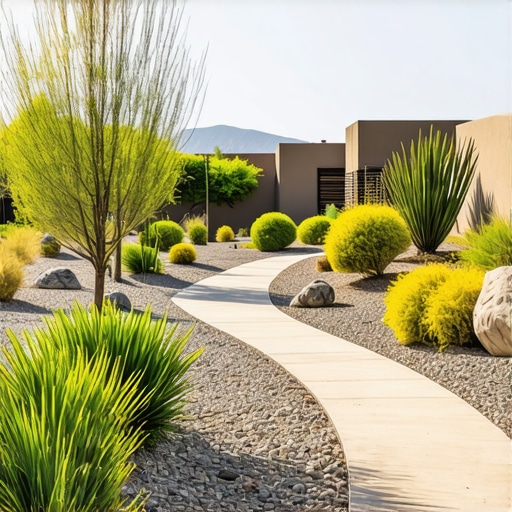
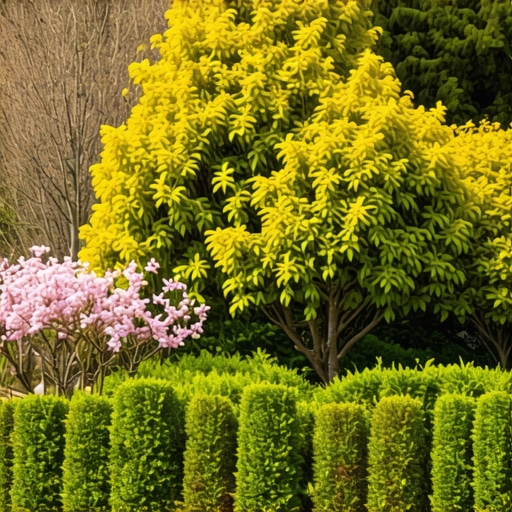
The visual of a brittle, yellowing Boxwood or a scorched Hydrangea surrounded by a sea of white marble chips isn’t just an aesthetic clash; it is a slow-motion execution. I see it every week. A homeowner spends thousands on ‘maintenance-free’ rock mulch only to watch their $500 specimen plants turn into expensive tinder. I always drill into my new crew members: if you don’t fix the soil grading and the choice of mulch first, every plant you put in the ground is just expensive compost. Most contractors won’t tell you that because hauling rock is profitable, but the biology doesn’t lie. When you replace organic forest floor conditions with inorganic stone, you aren’t just changing the look; you are fundamentally altering the thermal mass and gas exchange of the rhizosphere.
Why Rock Mulch Kills Shrubs
Rock mulch acts as a thermal battery, absorbing solar radiation during the day and releasing it as long-wave infrared radiation at night. This prevents shrubs from entering their nocturnal cooling phase, leading to cellular desiccation and root-zone heat stress that eventually kills the plant via respiratory exhaustion. Unlike organic mulch, rock does not decompose, meaning it provides zero nutrient cycling for the soil microbiology.
“Rock mulches reflect and radiate solar energy, creating a microclimate that can be 10 to 20 degrees warmer than areas with organic mulch, significantly increasing plant water demand.” – Arizona State University, Cooperative Extension
The Albedo Effect and Thermal Retention
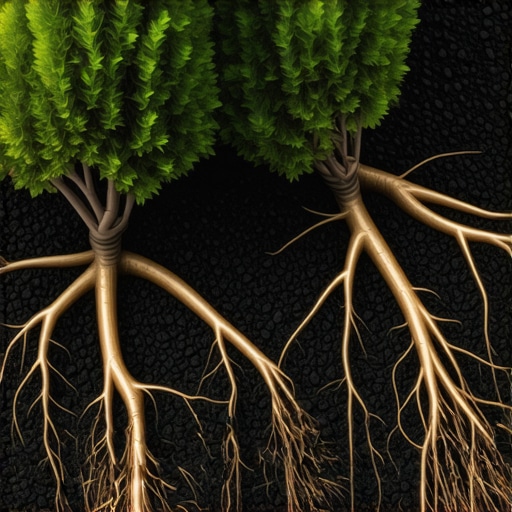
In the world of landscaping and garden design, we talk about the ‘Albedo effect.’ Light-colored rocks reflect light back up into the underside of the leaves, where the stomata (the plant’s breathing pores) are located. This double-sided heat attack forces the plant to transpire water faster than its roots can pull it from the ground. Darker rocks, like lava rock or slate, are even worse; they absorb the heat and hold it. I’ve measured soil temperatures under black star gravel at 140 degrees Fahrenheit in mid-July. At that temperature, fine feeder roots don’t just stress; they literally cook and die. Once the root system is compromised, the plant can’t uptake nutrients, leading to the classic ‘yellowing’ (chlorosis) often mistaken for a lack of fertilizer.
The Chemical Shift: pH and Alkalinity
Most river rocks and decorative stones are limestone-based. Every time it rains, a microscopic amount of calcium carbonate leaches into the soil. For acid-loving plants like Azaleas, Gardenias, or Blueberries, this is a death sentence. It slowly jacks up the soil pH, making it alkaline. High pH soil ‘locks up’ essential micronutrients like iron and manganese. You can dump all the fertilizer you want on that lawn or garden, but if the pH is off because of the rock mulch, the plant’s roots are chemically incapable of absorbing those nutrients. It’s like being in a room full of food with your mouth sewn shut.
| Feature | Inorganic (Rock/Gravel) | Organic (Arborist Wood Chips) |
|---|---|---|
| Thermal Impact | High Retention (Heats soil) | Low Retention (Insulates soil) |
| Nutrient Cycle | Non-existent | High (Adds Nitrogen/Carbon) |
| Soil Structure | Increases Compaction | Improves Pore Space |
| pH Stability | Alkaline Shift (Leaching) | Maintains Acidity/Neutrality |
| Weed Control | Poor (Silt buildup in gaps) | Excellent (Allelopathic properties) |
How hot does soil get under rock mulch?
Soil temperatures under rock mulch frequently exceed 120°F in standard summer conditions, which is the critical threshold for root mortality in most temperate shrub species. When soil temperatures remain high throughout the night, the plant cannot recover from daytime wilting point stress. This leads to crown dieback and eventual systemic failure. It is a slow death that usually takes two to three seasons to fully manifest.
“Soil compaction beneath inorganic mulch layers reduces oxygen diffusion rates (ODR), effectively suffocating root systems during peak summer temperatures and inhibiting mycorrhizal fungi.” – International Society of Arboriculture (ISA)
The Compaction and Suffocation Factor
Rock is heavy. A 2-inch layer of decorative stone can weigh upwards of 15-20 pounds per square foot. Over time, this weight, combined with the lack of organic matter to feed earthworms and soil microbes, leads to soil compaction. Compaction destroys macropores—the tiny air pockets in the soil that roots need to breathe. In a healthy lawn care or garden ecosystem, the soil is alive and spongy. Under rock, the soil becomes a dense, anaerobic brick. Water can’t penetrate it, and oxygen can’t reach the roots. If the roots can’t breathe, they rot. I’ve excavated five-year-old ‘rock gardens’ where the soil was so hard you needed a jackhammer to get a trowel in. That’s not a garden; it’s a tomb.
How to replace rock mulch with organic alternatives?
To fix a cooked landscape, you must follow a systematic remediation protocol. Don’t just throw wood chips over the rocks; that’s a rookie mistake that leads to ‘perched water tables.’ Follow these steps:
- Extraction: Remove 100% of the rock and any plastic landscape fabric. Fabric is a breathable-barrier myth; it eventually clogs with silt and prevents gas exchange.
- De-compaction: Use a broadfork or vertical mulch technique to introduce air back into the compressed soil without destroying existing roots.
- pH Correction: Test the soil. If rock has been there for years, you likely need elemental sulfur to bring the pH back down to the 6.0-7.0 range.
- Organic Inoculation: Add 2 inches of high-quality compost to jumpstart the microbiology.
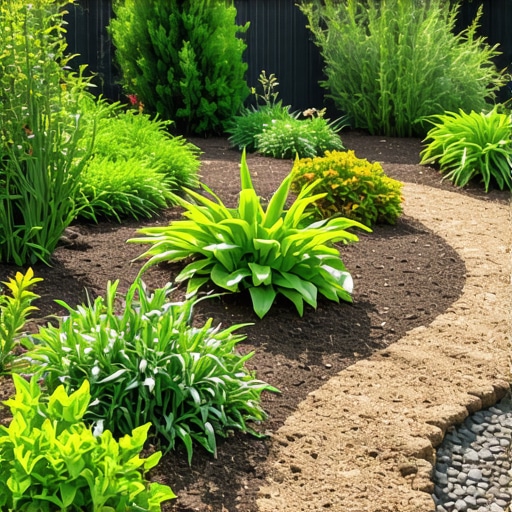
- Arborist Chips: Apply 3-4 inches of coarse wood chips. Coarse chips are better than shredded mulch because they allow better oxygen flow.
Does rock mulch have any place in hardscaping?
Yes, but not against living tissue. Rock is for hardscaping and drainage engineering. Use it in French drains, as a base for paver patios, or in dry creek beds where nothing is supposed to grow. It has zero business being within the drip line of a shrub or tree. If you want the ‘desert look,’ use drought-tolerant native species that have evolved heat-dissipation mechanisms, and even then, use crushed granite rather than river rock to allow for slightly better drainage. Don’t skip the organic matter. Even the desert has a floor made of something other than pure stone. Your plants will thank you with growth, not a slow, crispy death. Stop treating your yard like a parking lot. It’s a biological system. Treat it like one.
[{“@context”:”https://schema.org”,”@type”:”Article”,”headline”:”Why Rock Mulch is Cooking Your Shrub Roots: The Scientific Reality of Landscape Failure”,”author”:{“@type”:”Person”,”name”:”Veteran Horticulturist”},”description”:”A deep dive into how rock mulch creates thermal mass, spikes soil pH, and suffocates shrub roots, with professional remediation steps.”},{“@context”:”https://schema.org”,”@type”:”FAQPage”,”mainEntity”:[{“@type”:”Question”,”name”:”How hot does soil get under rock mulch?”,”acceptedAnswer”:{“@type”:”Answer”,”text”:”Soil temperatures under rock mulch can exceed 120-140 degrees Fahrenheit, which is well above the lethal threshold for most shrub root systems.”}},{“@type”:”Question”,”name”:”Why is my soil turning alkaline under rock?”,”acceptedAnswer”:{“@type”:”Answer”,”text”:”Limestone-based rocks leach calcium carbonate during rain events, which raises soil pH and prevents plants from absorbing iron and other micronutrients.”}}]}]