Why Your 2026 Bermuda Lawn is Thinning: Soil Acidity Fix
Why Your 2026 Bermuda Lawn is Thinning: Soil Acidity Fix
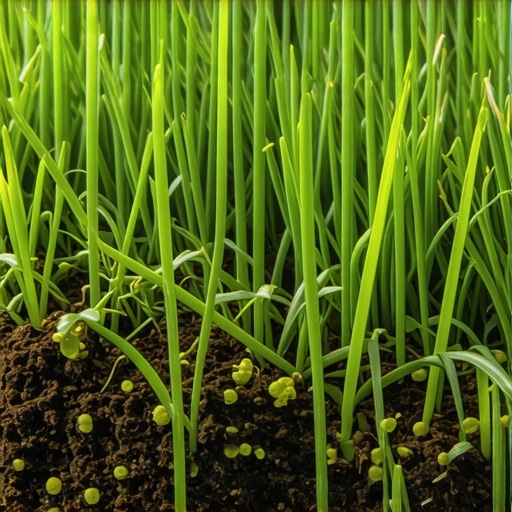
You walk out onto your lawn in late April, expecting the aggressive, world-dominating spread of Cynodon dactylon—Bermuda grass. Instead, you see a ghost. The turf is thin, spindly, and pale. You can see more dirt than blade. You’ve dumped high-nitrogen fertilizer on it, you’ve increased the irrigation frequency, and yet, the lawn looks like it’s retreating. This isn’t a watering issue. It isn’t a ‘bad batch’ of sod. It is a chemical failure at the rhizosphere level. Your soil is likely too acidic, and you are literally starving your grass in a sea of plenty.
The Chemical Nightmare: A Case Study in Soil Burn
I recently got called out to a property where the homeowner was in a full-blown panic. He had a pristine 2025 install of TifTuf Bermuda that was now yellowing and thinning in massive, irregular patches. He had tried to ‘fix’ it by doubling down on ammonium sulfate. He didn’t check his soil pH first. The result was a catastrophic chemical burn compounded by aluminum toxicity. Because his soil was already sitting at a 5.4 pH, that extra shot of nitrogen-driven acidity was the final nail. The roots weren’t just thin; they were chemically cauterized. We had to excavate three inches of topsoil and start a massive lime amendment program just to stabilize the Cation Exchange Capacity (CEC). Don’t be that guy. Stop guessing.
The pH Nutrient Lockout: Why Your Fertilizer is Failing
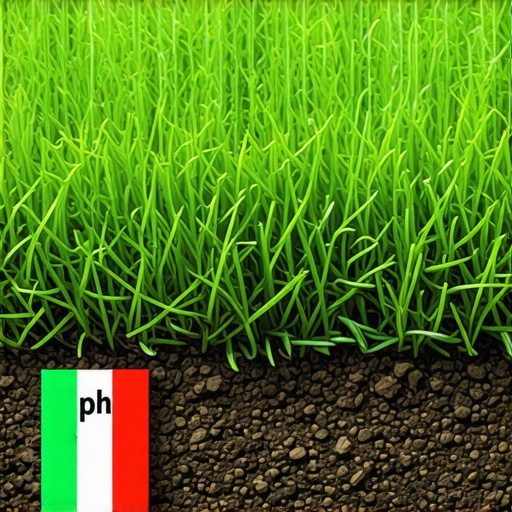
Soil acidity causes nutrient lockout in Bermuda grass by making essential elements like phosphorus and magnesium chemically unavailable to the roots. When the pH level drops below 5.5, aluminum toxicity stunts root development, leading to the thinning turf and patchy growth observed in 2026 lawns. It doesn’t matter if you have a thousand pounds of fertilizer in the ground; if the pH is wrong, the plant can’t eat. It’s like being locked in a grocery store without a can opener.
“A soil’s acidity or alkalinity is measured by the pH scale. For most turfgrass species, a pH between 6.0 and 7.0 is ideal for maximizing nutrient availability and microbial activity.” – Penn State Center for Turfgrass Science
How do I fix acidic soil for Bermuda grass?
To fix acidic soil in a Bermuda lawn, you must apply calcitic or dolomitic lime based on a professional soil test. Applying lime without a test is professional negligence. You need to know your buffer pH to calculate the exact tonnage required to move the needle. A standard 50-lb bag of pelletized lime might only move your pH by 0.1 points over a 1,000-square-foot area if your soil has high clay content. It is a slow process. Chemistry doesn’t care about your weekend plans.
What is the best pH for Bermuda grass?
The sweet spot for Bermuda grass is a pH of 6.5. At this level, the macronutrients (Nitrogen, Phosphorus, Potassium) and secondary nutrients (Calcium, Magnesium, Sulfur) are at peak solubility. If you are sitting at 5.0, your phosphorus efficiency drops by over 50%. You are wasting half your money every time you spread fertilizer. Fix the soil, then feed the plant.
The Forensic Autopsy of a Thinning Lawn
When I analyze a failing lawn, I look for the ‘canary in the coal mine.’ For Bermuda, it’s the lack of lateral runners (stolons). If the grass is growing vertically but not horizontally, the soil environment is hostile. High acidity increases the solubility of manganese and aluminum. In high concentrations, these metals are poison. They stop the root tips from elongating. Short roots mean the plant can’t handle heat. In the 2026 season, which is seeing higher-than-average spring temperatures, a shallow-rooted lawn will thin out in weeks. It will rot if you over-water it to compensate.
| pH Level | Phosphorus Availability | Bermuda Health Status |
|---|---|---|
| 4.5 – 5.0 | Extreme Lockout | Critical Thinning / Potential Death |
| 5.1 – 5.5 | Low Availability | Poor Color / No Lateral Spread |
| 5.6 – 6.0 | Moderate | Sub-par Density / Frequent Disease |
| 6.1 – 7.0 | Maximum | Optimal Health / Aggressive Growth |
The Remediation Protocol: Step-by-Step
Do not go to a big-box store and buy whatever is on sale. Follow this engineering-grade checklist to save your turf before the summer heat hits. If you miss the window, you’re looking at a full renovation in 2027.
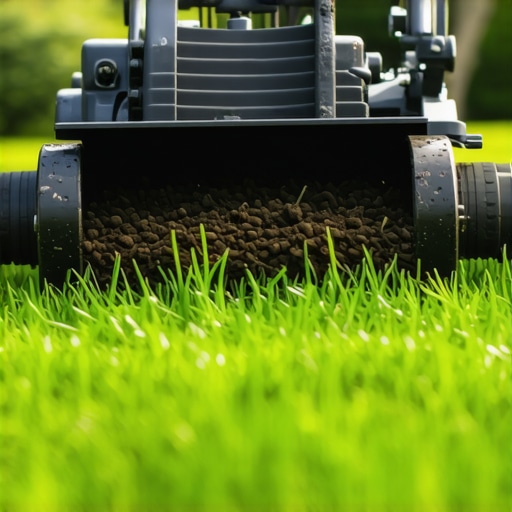
- Core Aeration: You need to get the lime down into the root zone. Pull 3-inch cores across the entire lawn. Do not use those spike aerators; they just increase soil compaction.
- Soil Sampling: Take 10 to 12 samples from different areas of the yard at a 4-inch depth. Mix them in a clean plastic bucket and send them to a university lab. Avoid home DIY kits; they are toys, not tools.
- Lime Selection: Use Dolomitic lime if your soil test shows a magnesium deficiency. Use Calcitic lime if your magnesium is high but calcium is low. This is the ‘Horticultural Zooming’ that separates pros from hacks.
- Irrigation Check: After applying lime, you need a heavy watering (0.5 inches) to start the chemical reaction. Lime is not mobile; it needs water to move through the soil profile.
“Soil pH influences the soil’s physical, chemical, and biological properties, and is often considered the ‘master variable’ of the soil.” – USDA Natural Resources Conservation Service
The Physics of Soil Grading and Drainage
Sometimes the acidity isn’t just a chemical accident; it’s a byproduct of poor landscaping and hardscaping. If you have a retaining wall or a patio that is shedding water onto your lawn, that constant runoff leaches basic cations (calcium and magnesium) out of the soil, leaving acidic ions behind. This is why you often see the worst thinning near the edges of hardscape installs. If your garden design doesn’t account for hydrostatic pressure and proper drainage, you are creating a localized acid pit. Fix the grade. Use French drains or modified gravel bases to direct water away from the root zones of your primary turf areas. It will rot otherwise. Don’t skip this.
Maintaining the 2026 Standard
Once you hit your 6.5 pH target, you aren’t done. Lawn care is a continuous struggle against entropy. Rain is naturally slightly acidic. Fertilizers, especially those containing urea or ammonium, contribute to soil acidification over time. You need to test every two years. In 2026, we are seeing more aggressive weed pressure in thin lawns. A thick, healthy Bermuda canopy is the best pre-emergent you can buy. When you fix the soil, the grass does the work for you. Don’t be the person staring at a brown, thinning yard while your neighbor has a green carpet. The difference is 50 bucks worth of lime and the discipline to read a soil report. Do the work now. The grass is waiting.