Why Your 2026 Vegetable Garden Needs Marigolds
The Strategic Necessity of Biological Soil Engineering
Planning for a 2026 vegetable garden requires a shift from superficial gardening to integrated pest management and biological soil engineering. By utilizing marigolds (Tagetes), specifically cultivars rich in alpha-terthienyl, you are not simply adding color; you are deploying a sophisticated chemical defense system that targets root-knot nematodes and disrupts the lifecycle of soil-borne pathogens before they can compromise your high-value crops like tomatoes and peppers.
I always drill into my new crew members: if you don’t fix the soil grading and chemistry first, every plant you put in the ground is just expensive compost. I remember a job back in 2018 where a client spent five figures on nursery-grade heirloom vegetables only to have them wilt in three weeks. They didn’t listen when I told them their soil was infested with nematodes. They wanted the pretty garden immediately. I had to rip everything out, solarize the soil, and spend a full season growing nothing but a dense cover of French marigolds just to make the ground viable again. That is technical wisdom bought with sweat and failure. If you want a harvest in 2026, the work starts with understanding the microscopic reality of your dirt today.
The Science of Soil Bio-Fumigation
To effectively utilize marigolds for **nematode suppression**, gardeners must select **Tagetes patula** or **Tagetes erecta** varieties. These plants release **alpha-terthienyl**, which is toxic to harmful soil organisms, creating a safer environment for **nightshades** and **brassicas** in your **2026 garden layout**. This is not a suggestion; it is a chemical mandate for organic growers. Marigolds function through a process called allelopathy, where the plant produces secondary metabolites that inhibit the growth or survival of other organisms. This is zero-sum warfare happening at the rhizosphere level. The roots of the marigold act as a trap. Nematodes enter the root system, but the alpha-terthienyl prevents them from completing their life cycle. Over a 90-day growing period, the population of these microscopic parasites crashes, leaving the soil clean for your subsequent vegetable rotation.
“French marigolds (Tagetes patula) produce a substance called alpha-terthienyl, which is highly toxic to root-knot nematodes and can reduce their populations significantly when used as a cover crop.” – Penn State Extension
How do marigolds stop root-knot nematodes?
The suppression of root-knot nematodes (Meloidogyne incognita) occurs when the marigold roots secrete polyacetylenes that disrupt the nematode’s sensory perception and reproductive capabilities. This biological barrier is most effective when the marigolds are planted in a solid block rather than scattered sporadically. You need a high density of root exudates to saturate the soil profile. We are talking about 6-inch spacing, creating a literal wall of chemical defense. If the roots don’t touch, the nematodes find a gap. It’s that simple. Don’t skip the density requirement. [IMAGE_PLACEHOLDER]
Material Selection and Cultivar Specifications
Choosing the correct marigold cultivar is the difference between an engineered success and a waste of seed money. While many homeowners buy whatever is on the rack at the big-box store, professional horticulturists look for specific chemical profiles. African Marigolds (Tagetes erecta) provide massive biomass which, when tilled into the soil, acts as a green manure and bio-fumigant. French Marigolds (Tagetes patula) are the heavy hitters for nematode control. You must avoid the modern hybrids that have been bred solely for flower size, as these often lack the potent root exudates found in older, more “wild” varieties. Always source from reputable seed houses that specify nematode resistance. Big-box plants are often treated with neonicotinoids, which will kill your beneficial pollinators. Avoid them at all costs.
| Variety Type | Scientific Name | Primary Biological Function | Target Pest Profile |
|---|---|---|---|
| French Marigold | Tagetes patula | Soil Bio-fumigation | Root-knot Nematodes, Thrips | African Marigold | Tagetes erecta | Biomass Production | Cabbage Loopers, Whiteflies | Signet Marigold | Tagetes tenuifolia | Pollinator Attraction | Aphids (via Hoverflies) |
Which marigold variety is best for vegetable gardens?
The best variety for vegetable garden protection is the **French Marigold (Tagetes patula)**, specifically the ‘Nema-Gone’ or ‘French Brocade’ cultivars, due to their high concentration of **alpha-terthienyl**. These varieties provide the maximum **allelopathic effect** while maintaining a compact growth habit that does not shade out your primary food crops like bush beans or low-growing greens. For larger landscaping projects or border defense, the taller African varieties are superior for windbreak and physical pest barriers.
The Ground-Up Build: Installation Protocol
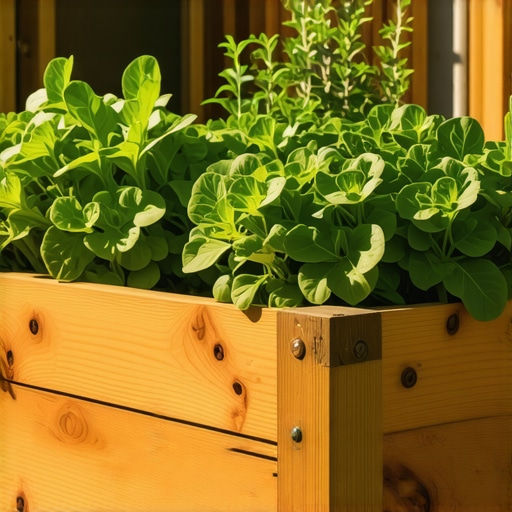
Successful integration of marigolds into your 2026 garden plan requires a structured installation process that respects soil physics and drainage. You cannot simply throw seeds on top of compacted clay and expect results. You must address the **soil structure** first. If your garden beds do not have proper grading, water will pool, leading to anaerobic conditions that rot marigold roots and encourage fungal pathogens like Pythium. I recommend a raised bed system with a modified gravel base if you are dealing with heavy clay. This ensures that hydrostatic pressure does not build up behind your garden walls, and it keeps the oxygen levels high in the root zone. Marigolds need oxygen to produce the chemicals that protect your soil. It will rot if you don’t fix the drainage. Don’t skip this step.
- Conduct a soil test to confirm pH levels between 6.0 and 7.5.
- Amend soil with organic compost to increase cation exchange capacity.
- Install drip irrigation to prevent foliar diseases like Alternaria leaf spot.
- Space plants at 6-inch intervals for maximum root density.
- Deadhead flowers weekly to force energy back into root development.
- Terminate the crop at 90 days and till biomass into the top 6 inches of soil.
“Effective nematode control requires the marigold crop to be grown as a solid stand for at least two months, then incorporated into the soil while still green to release its bio-fumigant properties.” – Texas A&M Agrilife
Maintenance and the 2026 Settling-In Period
The long-term health of your garden design depends on the post-installation maintenance of your marigold cover. Once the plants reach maturity, they shouldn’t just be pulled and thrown in the trash. The real value is in the green manure. By tilling the green plant matter back into the earth, you are providing a slow-release nitrogen source and further saturating the soil with bio-fumigants. For your 2026 vegetable crop, this means you are planting into a pre-fertilized, pest-suppressed environment. Monitor your soil moisture religiously. While the internet tells you to water every day, turf grass and garden plants actually need deep, infrequent watering—exactly 1 inch per week—to force roots to chase the water down. This deep rooting is what exposes the nematodes to the marigold’s chemical arsenal. Shallow watering creates weak plants and ineffective defense. Do it right or don’t do it at all.

![Building a 2026 Raised Bed for Under $50 [DIY]](https://lawnmajesty.com/wp-content/uploads/2026/07/Building-a-2026-Raised-Bed-for-Under-50-DIY.jpeg)
![DIY Cedar Raised Beds for $50 [2026 Budget]](https://lawnmajesty.com/wp-content/uploads/2026/09/DIY-Cedar-Raised-Beds-for-50-2026-Budget.jpeg)
![Build a $100 Modern Rock Garden for 2026 [DIY]](https://lawnmajesty.com/wp-content/uploads/2026/06/Build-a-100-Modern-Rock-Garden-for-2026-DIY.jpeg)