Why Your Patio Pavers Are Shifting Every Winter
The $30,000 Hardscape Autopsy: A Lesson in Base Failure
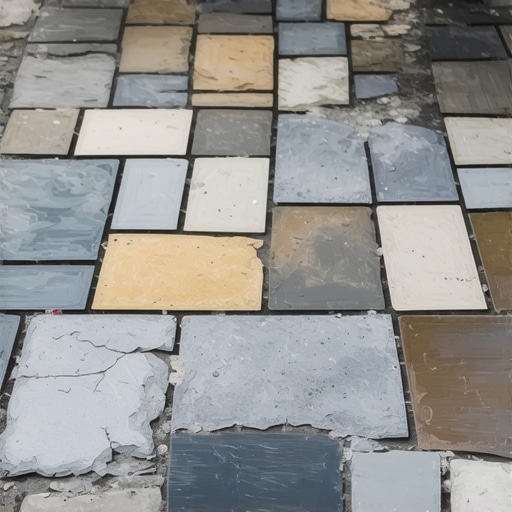
I recently got called out to tear up a $30,000 patio that was sinking and tilting because the previous contractor thought 3 inches of stone dust was an acceptable base. The homeowner was devastated. The pavers were high-end travertine, but they looked like a topographical map of the Himalayas. When we excavated, we found the culprit: zero drainage and no compaction. The subgrade was a soup of saturated clay. This isn’t just bad luck; it is a violation of physics. Patio pavers shift in winter primarily because of frost heave, which occurs when water trapped in the soil subgrade freezes, expands by 9%, and pushes the entire hardscape assembly upward. If your base layer is not engineered to manage hydrostatic pressure, your investment will fail. It is a mathematical certainty. You cannot negotiate with gravity or ice.
The Science of Frost Heave and Your Paver Base
Frost heave happens when capillary action draws moisture from lower soil levels into the freeze zone, creating ice lenses that physically lift the ground. In professional landscaping and hardscaping, we prevent this by installing a well-graded aggregate base that allows water to move through the system rather than sitting under the stone. If your garden design ignores the frost line, which can reach 40 inches or deeper in northern climates, you are building on a ticking time bomb. Most failures happen because the contractor used too much bedding sand or failed to use a geotextile fabric to separate the soil from the stone.
“A retaining wall doesn’t fail because of the stone; it fails because of the water trapped behind it.” – Hardscape Engineering Axiom
How much modified gravel do I need for a patio base?
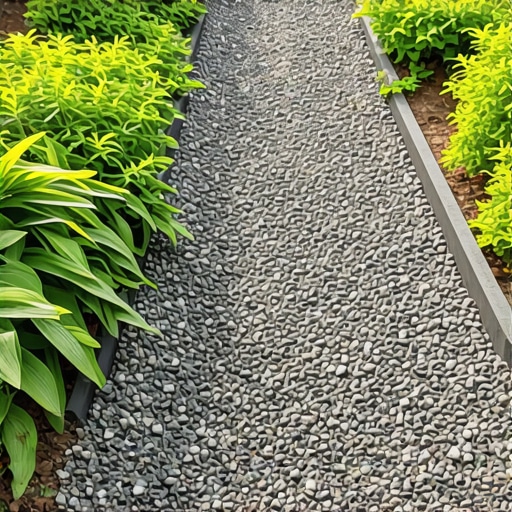
To prevent winter shifting, a standard residential patio requires a minimum of 6 inches of compacted 21A or 3/4-inch minus modified gravel. For driveways or areas with heavy clay soil, this depth must increase to 10-12 inches to ensure structural integrity and proper drainage. Don’t cut corners here. Every inch of stone you skip reduces the lifespan of your paver installation by years. We use vibratory plate compactors to achieve 98% Standard Proctor Density. If the compactor doesn’t literally bounce off the ground, the base isn’t ready. It should feel like concrete before a single paver is laid.
The Role of Hydrostatic Pressure and Soil Mechanics
Water is the most destructive force in lawn care and landscaping. When the ground saturates in late fall, that water has nowhere to go. When the first deep freeze hits, the expansion force is immense—thousands of pounds per square inch. This is hydrostatic pressure. If you didn’t install a French drain or ensure the soil grading slopes away from the patio at a minimum of 1/4 inch per foot, you are inviting disaster. I see it every year. Homeowners think the pavers are the problem. They aren’t. The pavers are just the messenger. The problem is the invisible world beneath them. You need to understand the void ratio of your stone. Using clean #57 stone provides 40% void space, which gives water a place to expand without moving the pavers.
| Base Material Type | Drainage Rating | Compaction Stability | Best Use Case |
|---|---|---|---|
| 3/4″ Minus (21A) | Moderate | Extreme | Standard Patios & Walkways |
| #57 Clean Stone | Excellent | High | High-Water Tables / Permeable Sets |
| Stone Dust / Screenings | Very Poor | Moderate | Avoid – Holds too much moisture |
| Concrete Sand | Good | Low | 1-inch bedding layer only |
The Forensic Remediation Process: Fixing a Shifting Patio
If your patio is already heaving, you can’t just throw more polymeric sand in the cracks. You have to perform an autopsy. First, remove the affected pavers. Check the bedding layer. If it’s deeper than one inch, that’s your first failure point. Sand doesn’t compact; it migrates. Second, check for soil contamination. If the dirt has mixed with your stone base, the system has lost its structural strength. You must excavate. We replace the contaminated material with DGA (Dense Graded Aggregate) and install a non-woven geotextile fabric (4.0 oz or higher). This fabric acts as a filter, allowing water through but keeping the soil out of your stone. It’s the difference between a 30-year patio and a 3-year patio. Don’t skip it.
“Base thickness and compaction are the primary factors in determining the long-term performance of interlocking concrete pavements.” – ICPI Tech Spec 2
What is the best drainage solution for freezing climates?
The best drainage solution involves a combination of surface grading and subsurface aggregate layers. Installing a perimeter drain or curtain drain filled with open-graded stone ensures that water is diverted away from the paver base before it can freeze. This prevents the formation of ice lenses. In heavy clay environments, a perforated PVC pipe (not the cheap corrugated stuff) should be daylighted to a lower point on the property. This is civil engineering 101. If you don’t control the water, the water will control your patio. Period.
The Essential Hardscape Inspection Checklist
- Check the Grade: Ensure the patio slopes at least 2% away from any structures.
- Verify Base Depth: Minimum 6 inches of compacted aggregate for pedestrian loads.
- Inspect Edge Restraints: Plastic or concrete edging must be secured with 10-inch steel spikes.
- Test Compaction: A screwdriver should not be able to be pushed easily into the compacted base.
- Polymeric Sand Integrity: Ensure joints are filled to within 1/8 inch of the paver chamfer.
Year-One Maintenance and Winter Survival
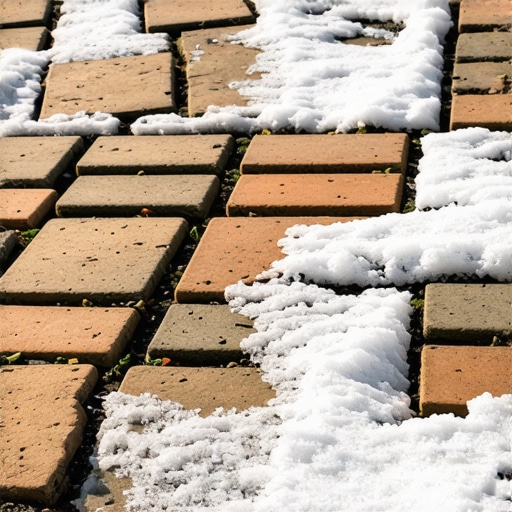
Your patio is a living system for the first twelve months. It will settle slightly. This is normal. What isn’t normal is gapping or tilting. To survive the first winter, ensure your polymeric sand is fully cured. This sand contains polyvinyl acetate binders that keep water out of the joints. If the sand is cracked, water gets in, freezes, and pops the pavers out of alignment. Do not use de-icing salts like sodium chloride on new pavers; the freeze-thaw cycle accelerated by salt will cause spalling or pitting of the concrete surface. Use sand for traction instead. It’s safer for the stone and the soil microbiology in your surrounding lawn. High-end hardscaping requires discipline. If you treat it like a ‘set it and forget it’ project, you’ll be calling me for an autopsy in three years. Build it right, or build it twice.
![Fixing 2026 Uneven Paver Walkways [Step-by-Step]](https://lawnmajesty.com/wp-content/uploads/2026/06/Fixing-2026-Uneven-Paver-Walkways-Step-by-Step.jpeg)