Why Your Pond Is Green and the $30 Pump Filter Fix
The Autopsy of a Pea Soup Disaster
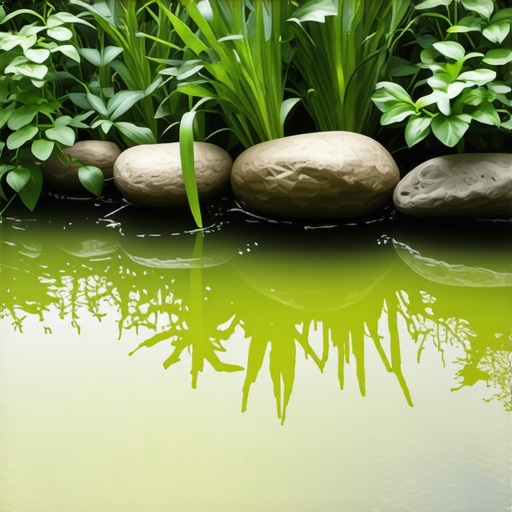
Green pond water is caused by single-celled planktonic algae blooms that thrive on an excess of nitrates and phosphates in the presence of unfiltered ultraviolet light. When your biological filtration capacity is outweighed by the nutrient load from fish waste or organic runoff, the ecosystem crashes, resulting in an anaerobic, murky mess. Most homeowners waste thousands on chemical algaecides that only provide temporary relief. You don’t need chemicals: you need to fix the nitrogen cycle and the mechanical dwell time of your pump system.
I recently got called out to tear up a $30,000 patio that was sinking because the previous contractor failed to account for the hydrostatic pressure of an adjacent, leaking koi pond. The water wasn’t just leaking: it was a stagnant, lime-green mess that smelled like a swamp. The homeowner had spent thousands on UV clarifiers that kept burning out. They didn’t need more tech. They needed basic biology. The stone was shifting because the soil was saturated, and the water was green because the bio-load was astronomical for a filter the size of a lunchbox. We had to excavate the entire base, install a geotextile fabric, and rebuild the filtration from the ground up. It was a failure of engineering and biology simultaneously.
The Chemical Reality of Algal Proliferation
To understand why your pond looks like radioactive sludge, you have to look at the microscopic reality of the water column. In landscaping and garden design, we often focus on what is above the surface, but the pond is a closed loop. Fish eat, they produce ammonia (NH3). Bacteria in your filter, specifically Nitrosomonas, should convert that ammonia into nitrites (NO2). Then, Nitrobacter converts those nitrites into nitrates (NO3). Algae loves nitrates. If you don’t have enough surface area for these bacteria to live, the ammonia and nitrates stay in the water. The algae then steps in to do the job the bacteria should be doing. It is nature’s way of trying to clean your mess.
“Algal growth is a direct response to dissolved nutrient availability, specifically phosphorus, which acts as the limiting factor in most freshwater systems.” – Limnology & Aquatic Ecosystems Manual
How do I clear up green pond water fast?
To clear green water quickly, you must mechanically remove suspended solids and introduce biological competition for nutrients while temporarily shading the water to prevent photosynthesis. You can use a flocculant to clump the algae together, making it heavy enough to sink or be caught by a fine micron filter pad. This is a temporary fix. The only long-term solution is increasing the nitrifying bacteria population and reducing organic runoff from the surrounding lawn care areas.
The $30 Biological Filter Fix
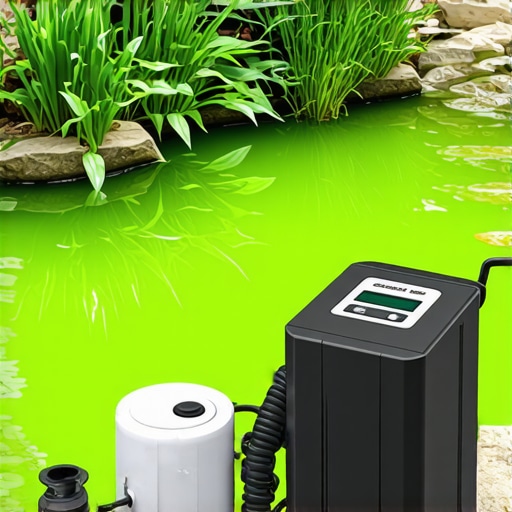
Most commercial filters are overpriced plastic boxes with thin sponges. You can build a superior biological filter for under $30 using a five-gallon bucket, some lava rock, and a roll of poly-fill. The lava rock provides massive surface area for bacterial colonies to thrive. The poly-fill acts as a mechanical stage to trap the algae cells. You must ensure the GPH (Gallons Per Hour) of your pump allows for sufficient dwell time. If the water moves too fast, the bacteria cannot ‘scrub’ the nutrients out. It is simple physics. Stop buying the $200 ‘all-in-one’ units from big-box stores. They are designed to fail after one season of hardscaping debris and leaf litter.
| Material Component | Estimated Cost | Primary Function | Efficiency Rating |
|---|---|---|---|
| Lava Rock (1 Bag) | $6.00 | Biological Surface Area | High |
| 5-Gallon Heavy Duty Bucket | $5.00 | Filter Housing | Industrial |
| Poly-Fill (Bulk Roll) | $12.00 | Mechanical Micro-Filtration | Very High |
| PVC Fittings (1-inch) | $7.00 | Inlet/Outlet Control | Reliable |
When you build this, you are creating a wetland filter in a box. The water enters the bottom of the bucket, rises through the lava rocks where the bacteria live, and finally passes through the poly-fill at the top before spilling back into the pond. This vertical flow ensures no water bypasses the media. It works. Every time. Don’t skip the poly-fill. It will rot if you don’t clean it, so swap it out once a week during the peak summer heat. This is applied biology, not magic.
“A retaining wall doesn’t fail because of the stone; it fails because of the water trapped behind it, much like a pond fails because of the nutrients trapped within it.” – Hardscape Engineering Axiom
What is the best DIY pond filter media?
The best DIY pond filter media is a combination of porous lava rock for biological colonization and graded mechanical pads starting at 50 microns to trap fine particulates. Lava rock is superior to plastic bio-balls because its internal vesicular structure offers exponentially more surface area for beneficial bacteria like Nitrobacter to attach and process ammonia. If you have the budget, K1 micro-media is an alternative, but for $30, lava rock is the king of the industry.
Engineering the Perimeter: Hardscaping and Runoff
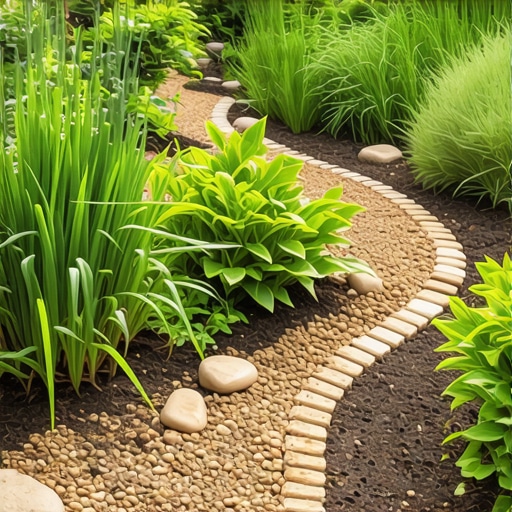
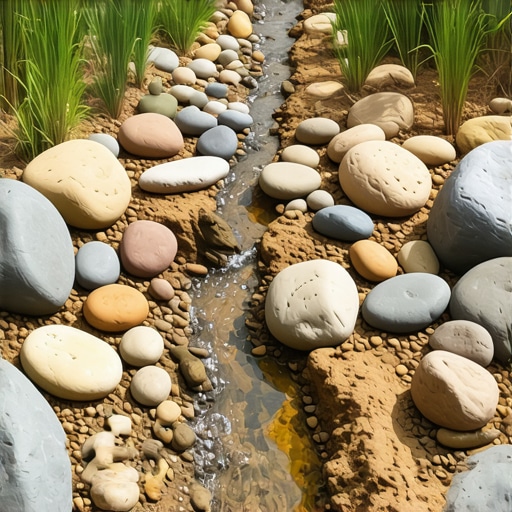
In landscaping, we often see ponds situated at the lowest point of the yard. This is a structural nightmare. Every time you perform lawn care or it rains, nitrogen-heavy fertilizer and organic debris wash straight into the water. This is called nutrient loading. If your hardscaping doesn’t include a retaining lip or a French drain around the pond perimeter, you are fighting a losing battle. The soil pH in many regions is too acidic or too alkaline, and that runoff destabilizes the pond’s alkalinity (KH). You need to create a buffer zone. Use river cobble and geotextile liners to divert surface water away from the pond basin. This isn’t just about aesthetics: it is about civil engineering.
- Inspect the Pump Intake: Check for cavitation and clear debris from the impeller daily.
- Measure Your pH: Keep levels between 7.0 and 8.5 to prevent ammonia toxicity spikes.
- Check Dwell Time: Ensure your pond volume is cycled through the filter at least once every two hours.
- Prune Aquatic Plants: Remove dead lilies or iris leaves before they sink and turn into sludge (muck).
- Test for Phosphates: If levels exceed 0.05 ppm, your garden design needs more marginal plants like Horsetail or Pickerel Rush.
The biggest mistake people make is over-cleaning. They see a little brown film on the rocks and they pressure wash it. Stop. That film is the bio-film. It is the heart of your filter. If you kill that, the green water will return within 48 hours. You are not trying to create a sterile swimming pool. You are managing a biological reactor. Understand the difference. Treat the water like a living organism. If the water is green, the organism is sick. The $30 filter is the medicine. Proper hardscaping is the preventative care. Do the work once and do it right. If you cut corners on the base layer or the bio-load, the pond will remind you of your failure every time you look at it. Stick to the measurements. Trust the nitrogen cycle. Keep your hands in the dirt and your pond water clear.