Stop Soil Erosion: 4 Best 2026 Groundcovers for Hills
Stop Soil Erosion: 4 Best 2026 Groundcovers for Hills
I always drill into my new crew members: if you don’t fix the soil grading first, every plant you put in the ground is just expensive compost. I have seen guys spend ten grand on nursery stock only to watch it slide into the neighbor’s pool because they ignored the physics of the slope. Soil erosion on a hill isn’t just a gardening problem; it is a civil engineering failure. We are talking about the angle of repose and the shear strength of saturated earth. When the rain hits a 30-degree incline, gravity wants to pull that topsoil down at a rate that would surprise you. You cannot just throw some grass seed and hope for the best. Grass has shallow roots that act like a wet blanket, often sliding off the subsoil when it gets heavy with water. You need biological rebar. You need groundcovers that penetrate the B-horizon of the soil profile and lock the earth in place.
The Physics of Hillside Instability
To stop soil erosion on hills, you must deploy plants with deep, interlocking root systems like Creeping Juniper or Low-Grow Sumac that increase soil shear strength. These groundcovers act as biological rebar, slowing water velocity and preventing the loss of topsoil aggregates during heavy rain events. If you ignore the subsurface mechanics, the hydraulic pressure will eventually win.
When we look at a hillside, we are looking at a battle between friction and gravity. Every soil particle has a specific weight and a specific coefficient of friction against its neighbor. Once water enters the equation, it acts as a lubricant. The pore space between the soil particles fills up, increasing the pore water pressure. This is where most residential hillsides fail. Without a dense canopy to break the kinetic energy of raindrops, each drop acts like a tiny hammer, dislodging soil particles and starting the process of sheet erosion. Once that turns into rill erosion, you are in serious trouble. You need plants that offer both a physical canopy to intercept rainfall and a complex root architecture to hold the substrate together. In my 20 years of digging, I have seen that the best hills are those that mimic a forest floor, layered with organic matter and diverse root depths.
“A retaining wall doesn’t fail because of the stone; it fails because of the water trapped behind it.” – Hardscape Engineering Axiom
Top 4 Groundcovers for 2026 Erosion Control
Choosing the right erosion control groundcover requires matching the USDA hardiness zone with the specific soil pH and slope grade of your site. Our 2026 recommendations focus on Creeping Juniper, Low-Grow Sumac, Creeping Thyme, and Pennsylvania Sedge for their superior root architecture and low maintenance. These species provide long-term slope stabilization and aesthetic value.
| Species Name | Root Type | Growth Rate | Soil Preference |
|---|---|---|---|
| Creeping Juniper | Woody Fibrous | Moderate | Sandy/Rocky |
| Low-Grow Sumac | Suckering Rhizomes | Fast | Poor/Dry Clay |
| Creeping Thyme | Dense Mats | Moderate | Well-Drained |
| PA Sedge | Rhizomatous Tufted | Moderate | Loam/Part Shade |
1. Creeping Juniper (Juniperus horizontalis)
This is the workhorse of the landscaping industry. It is a coniferous evergreen that does not quit. Its root system is woody and spreads laterally, often reaching several feet deep into the subsoil. The foliage stays close to the ground, creating a dense mat that prevents weed germination and soil splashing. I recommend the ‘Blue Chip’ or ‘Wiltonii’ cultivars. They can handle high salt concentrations if your hill is near a road, and they are incredibly drought-tolerant once established. Don’t plant them too deep. The root flare needs to be at the soil line. If you bury the crown, it will rot. No exceptions.
2. Low-Grow Sumac (Rhus aromatica ‘Gro-Low’)
If you have a steep, nasty hill with poor soil, this is your solution. This plant is aggressive in the best way possible. It spreads via underground rhizomes, creating a massive web of roots that knit the soil together. It grows about 2 feet tall and can spread 6 to 8 feet wide. In the fall, it turns a brilliant orange and red. The best part? It can grow in heavy clay that would kill almost anything else. It is a tough plant for a tough job. We use it on commercial slopes where maintenance is impossible. You plant it, water it for one season, and then get out of the way.
3. Creeping Thyme (Thymus praecox)
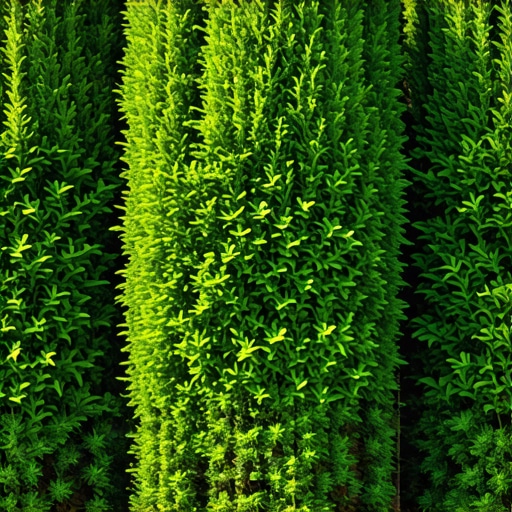
For smaller residential slopes or areas where you want a more refined look, creeping thyme is king. It creates a tight, fragrant carpet that is nearly impossible for weeds to penetrate. While its roots are not as deep as sumac, its density is its strength. It prevents the surface soil from washing away by creating a living mulch. It requires well-drained soil. If your hill is a boggy mess, skip this. But if you have a sunny slope with decent drainage, it will provide a massive amount of coverage with very little water. It is a managed ecosystem in a 2-inch tall plant.
4. Pennsylvania Sedge (Carex pensylvanica)
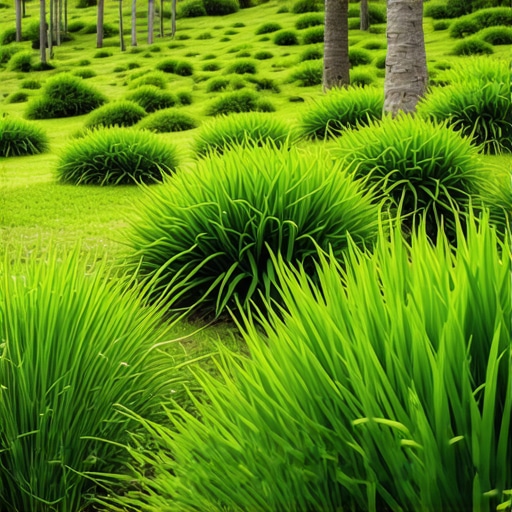
This is for the shady side of the house. Most people think they need grass in the shade, but turf grass is a sun-loving plant. In the shade, it gets thin, the roots get weak, and the soil starts to move. PA Sedge is a native, grass-like plant that thrives in the understory. It has a creeping habit that fills in gaps quickly. It is soft to the touch and requires almost zero mowing. In fact, I tell my clients to never mow it. Let it flop over and create that natural, meadow look. Its roots are surprisingly tenacious and do a fantastic job of holding the bank in place in wooded areas.
“Vegetative cover is the most effective and economical means of controlling soil erosion on steep slopes.” – USDA Soil Conservation Manual
How much mulch do I need for a steep hill?
On a hill, you need at least 3 inches of double-shredded hardwood mulch to prevent washouts while the plants establish. Avoid cedar nuggets or light mulches; they will simply float away in the first rain. The shredding allows the mulch to interlock, creating a temporary barrier against erosion until the root systems take over. Do not over-apply. Excess mulch can suffocate the root flare and prevent water from reaching the soil.
What is the best way to plant on a 45-degree slope?
To plant on a steep grade, you must create a micro-terrace for each plant. Dig a hole that is twice as wide as the root ball but only as deep. Level the bottom of the hole and create a small berm on the downhill side. This berm acts as a water-holding basin, ensuring that irrigation reaches the roots rather than running off the surface. Always plant into staggered rows to break the flow of downhill water.
The Installation Checklist for Slope Success
- Call 811 before you dig to mark utility lines.
- Verify soil pH and amend with organic matter if necessary.
- Install a temporary erosion control blanket (jute or coir) on slopes over 25 degrees.
- Space plants according to their mature width to ensure 100% coverage in three years.
- Set up a drip irrigation system to deliver water directly to the root zones.
- Hand-weed for the first two seasons until the canopy closes.
Landscaping a hill is an investment in your property’s structural integrity. If you go cheap on the plants or skip the soil prep, you will pay for it in the long run. I have seen retaining walls buckle because the owner didn’t want to spend the money on proper groundcover. The plants are the cheapest part of the project, but they do the heaviest lifting. Take care of the soil, and the soil will take care of your house. Don’t be the homeowner who watches their backyard slide into the creek because they wanted a shortcut. Do the work. Do it right. It is that simple.