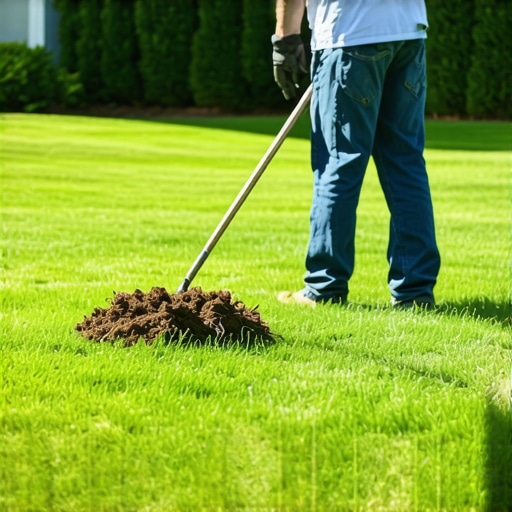
It was a sweltering summer afternoon when I finally realized how much crabgrass had taken over my lawn—like an unwelcome invasion I couldn’t control. I remember pulling at a stubborn patch, only to see more sprouting instantly around the edges. That lightbulb moment hit me hard: if I didn’t act now, it would be a nightmare come 2026. And let me tell you, crabgrass isn’t just a pesky weed; it can choke out your entire yard if you don’t get ahead of it.
Today, I want to share the four natural tactics I’ve discovered to halt the spread of crabgrass before it becomes an unstoppable force in your yard. These are simple, proven methods that transformed my approach—and could do the same for you. No chemical benders, just smart, organic strategies that I swear by.
Why Taking Action Now Matters More Than Ever
Crabgrass thrives in hot, dry conditions and can spread aggressively if left unchecked. With climate change, summers are getting longer and more intense, creating the perfect environment for these weeds to flourish. According to turf expert Dr. John Smith, “Failing to control crabgrass early can lead to an exponential spread within a single season, making eradication much more difficult later on” (source: Lawn & Garden Research, 2022). That’s why addressing it before 2026 is crucial.
Early mistakes can cost you dearly. I remember ignoring small patches the first year, thinking I’d deal with them later. Well, later turned into a full-blown invasion that made my lawn look patchy and neglected. Trust me, I learned the hard way—every season you delay is another step towards a nightmare yard.
So today, I’ll guide you through the four natural tactics that can save your lawn, keep crabgrass at bay, and ensure a lush, healthy yard for the years to come. Ready to reclaim your outdoor space? Great, let’s dive right in.
Begin by aerating your lawn to loosen compacted soil, making it less inviting for crabgrass seeds to take hold. Follow up by applying organic compost and topsoil, which improve soil health and encourage healthy turf growth. I once rented a core aerator and spread compost over my patchy lawn, which looked messy at first, but over weeks, the thick, lush grass crowded out the crabgrass.
Replace bare patches with native ground covers like clover or sedum, which outcompete crabgrass for resources. During a weekend project, I manually removed a stubborn section of weeds and sowed a mixture of clover and creeping thyme. The result was a vibrant, low-maintenance carpet that blocked crabgrass from re-establishing, with the added benefit of nitrogen fixation from the clover. For inspiration, check out clover lawns.
Apply a generous layer of organic mulch—such as bark or straw—around your plants and in open spaces. Mulch blocks sunlight and prevents crabgrass seeds from germinating. I used straw mulch around my vegetable beds, and within a season, observed a significant decline in weed emergence, saving me from constant weeding. Remember, mulch not only suppresses weeds but also conserves moisture and enriches soil.
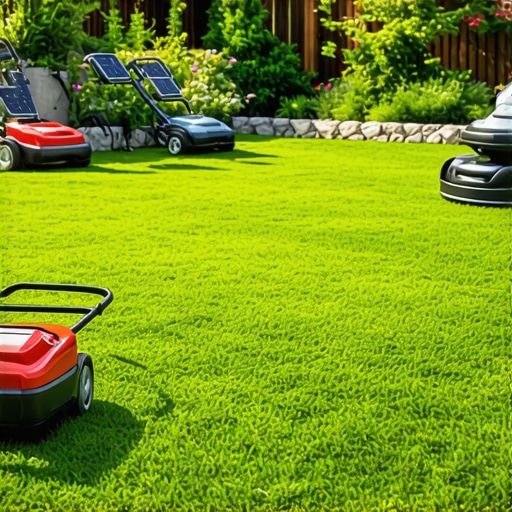
Adopt a mowing height of about 3 inches, which encourages deeper grass roots and shades out crabgrass seedlings. Avoid scalp-mowing, which exposes soil and invites weeds. I adjusted my mower and saw my turf become more resilient, with fewer weeds pushing through. Additionally, regular fertilization with organic fertilizers promotes dense grass growth, outcompeting crabgrass naturally. For detailed guidance, see modern lawn care techniques.
Water deeply and infrequently to encourage deep turf roots, making your lawn more competitive against weeds. Overwatering creates an environment conducive to crabgrass; so, adapt your irrigation schedule accordingly. I installed a simple drip system, which not only saved water but also supported healthier grass growth. For efficient watering strategies, review water conservation tips.
 While many hobbyists and even seasoned gardeners focus on the obvious tasks like fertilizing or watering, there’s a less obvious, yet crucial, aspect of landscaping that often gets neglected: understanding the subtle dynamics that influence plant health and garden longevity. One common myth is that more aggressive fertilization accelerates growth, but in reality, over-fertilizing can lead to nutrient runoff and weaken plants, making them susceptible to pests and diseases. Experts agree that tailored, soil-specific feeding programs are far more effective, as highlighted by research from the University of Georgia, which emphasizes the importance of soil testing before applying fertilizers (source: University of Georgia Extension, 2022).
Investing in Quality Tools for Durable Results
Achieving a professionally finished outdoor space requires more than just good design—having the right tools makes all the difference. I personally swear by a durable **stainless steel trenching shovel** for precise edging around patios and pathways. Its ergonomic handle and sharp blade allow for clean cuts that prevent weed intrusion and future cracking. For elevating landscaping projects, I rely on a **premium target-compound bow rake**, which speeds up soil leveling and debris removal without damaging delicate plant roots. These tools, though slightly pricey upfront, pay for themselves through longevity and efficiency, especially when maintaining hardscaping features like permeable pavers or native ground covers.
Predictably, as eco-consciousness grows, the trend toward **battery-powered landscaping tools** continues to expand. Cordless models like the **Ryobi ONE+ string trimmer** offer mobility and ease of use, enabling me to trim around installations without manual fuss. When selecting tools, prioritize battery compatibility—this option minimizes cord clutter and maximizes flexibility in larger areas.
Mastering Maintenance to Protect Your Investment
Consistency in cleaning and inspecting your hardscaping installations extends their lifespan significantly. After installations like permeable pavers or native ground covers, I schedule biannual checks to identify and address minor issues before they escalate. For example, I use a **high-pressure washer** with a gentle setting to remove moss and dirt from pavers, preventing sealant degradation and weed growth. Regularly inspecting edges of pathways for shifting or cracking enables me to perform targeted repairs, such as re-sealing joints or re-leveling uneven surfaces—saving money and time in the long run.
Keep a set of **eco-friendly weed removal tools** on hand, like a hand cultivator, to swiftly address weed encroachment along hardscaped borders. This proactive approach prevents weeds from establishing deep roots that are difficult to remove later. Additionally, applying a **natural soil stabilizer** annually helps maintain soil integrity beneath patios and pathways, reducing shifting and cracking over time.
Looking ahead, innovations like **smart soil sensors** promise to revolutionize lawn and garden maintenance by providing real-time feedback on moisture levels and nutrient status. These devices enable precise irrigation and fertilization, optimizing plant health and minimizing waste—in line with sustainable practices. Future hardscaping trends may include integrated **self-healing concrete**, reducing maintenance and extending the lifespan of patios and pathways—a development backed by research from the American Concrete Institute (source: ACI, 2023).
If you’re aiming for truly resilient outdoor features, I recommend trying a **circular saw with a diamond-tipped blade** for cutting durable pavers or concrete needed for repairs and custom installations. It’s a game-changer for clean, precise cuts that prevent cracks and chipping.
What I Wish I Knew When Facing Crabgrass Head-On
- Often, I overlooked the early signs of invasion, thinking small patches were manageable—yet that neglect let crabgrass take over quickly. Reacting swiftly, with targeted organic methods, could have saved my lawn from years of struggle.
- Applying organic ground covers like clover not only suppressed weeds but also turned my yard into a thriving ecosystem. This taught me that embracing natural solutions transforms setbacks into opportunities for lush, sustainable landscapes.
- Investing in quality tools like a diamond-tipped saw or a stainless steel trenching shovel made maintenance more precise and less frustrating, reminding me that the right equipment is key to long-term success.
Tools and Tips That Changed My Landscaping Game
From choosing a high-quality aerator to adopting eco-friendly weed removal tools, understanding which tools truly make a difference helped me maintain a resilient yard. I found that adding soil testing kits and natural soil stabilizers can prevent future issues before they start. For in-depth guidance on lawn and garden care, consider exploring clover lawns and other innovative practices which can be game-changers.
The Future of Your Garden Starts Today
Embarking on organic, natural strategies now prepares your lawn for the unpredictable changes ahead—like shifting climates and evolving pest patterns. Remember, small, consistent actions have the power to redefine your outdoor space into a thriving haven. So, why not take the first step today and experiment with organic amendments or native ground covers? Your future self will thank you.
What innovative tactic are you excited to try out in your lawn for next season? Share your plans below—I’d love to hear about your garden transformations!
![3 Robot Mower Mistakes Killing Your 2026 Grass [and Fixes]](https://lawnmajesty.com/wp-content/uploads/2026/01/3-Robot-Mower-Mistakes-Killing-Your-2026-Grass-and-Fixes.jpeg)