5 2026 Best Perennials for Zero-Water Backyards
The Engineering of a Zero-Water Backyard Landscape
To design a zero-water backyard in 2026, you must prioritize soil moisture retention and root zone optimization. Focus on establishing native perennials that thrive in your specific USDA hardiness zone, ensuring they are planted in well-draining aggregate rather than standard organic mulch to prevent crown rot and maintain soil oxygen levels.
I always drill into my new crew members: if you don’t fix the soil grading first, every plant you put in the ground is just expensive compost. I remember a job in late 2023 where a client had spent four grand on high-end nursery stock, only to have the entire lot drown in a week because the site was a bowl with zero sub-surface drainage. We had to excavate the entire backyard, re-grade for 2% pitch away from the foundation, and install a French drain system before a single root touched the dirt. If you ignore the physics of water movement, you are just throwing money into a hole. You have to think like a civil engineer before you can think like a gardener. Soil is not just dirt; it is a complex matrix of mineral particles, pore spaces, and biological life. When we talk about zero-water landscapes, we are talking about creating a closed-loop system where the plant’s biology does the heavy lifting.
“A retaining wall doesn’t fail because of the stone; it fails because of the water trapped behind it.” – Hardscape Engineering Axiom
How do I prep soil for a xeriscape?
Prepping soil for a xeriscape requires increasing the porosity and cation exchange capacity of your site. You must remove all compaction layers using a broadfork or mechanical aerator to ensure that oxygen can reach the rhizosphere, allowing 2026’s top perennial selections to establish deep, drought-resistant root systems. Most homeowners make the mistake of adding too much organic matter. In a zero-water setup, excessive compost holds too much moisture against the crown of the plant during dormant months, leading to fungal rot. We use a mix of 70% native soil and 30% inorganic aggregate, such as expanded shale or crushed granite, to ensure the drainage is fast enough to keep the roots dry but the soil moist enough to sustain life.
The Top 5 Perennials for 2026 Zero-Water Performance
The top zero-water perennials for 2026 include Agastache, Little Bluestem, Penstemon, Sedum, and Yucca. These species are selected for their deep taproots, sclerophyllous leaves, and ability to maintain turgor pressure during extreme heat without supplemental irrigation once they have reached establishment maturity.
1. Agastache ‘Blue Boa’ (Hyssop)
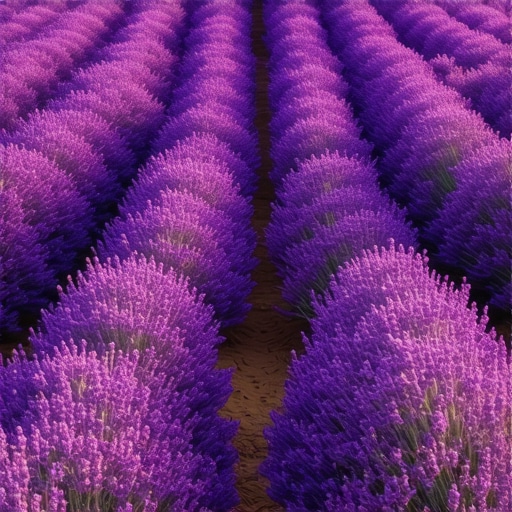
This is not your average garden-store hyssop. The 2026 cultivars are bred specifically for drought-load resilience. Agastache is a powerhouse because of its volatile oils, which naturally repel herbivores while attracting pollinators. It requires zero supplemental water once the root system reaches 12 inches in depth. It will rot if you put it in heavy clay. It needs gravel. Period.
2. Schizachyrium scoparium (Little Bluestem)
I call this the structural anchor of the zero-water yard. Its roots can extend 5 to 8 feet into the earth. It survives by tapping into deep-seated capillary water that turf grass can never reach. By year three, this grass is effectively bulletproof. It provides the vertical interest that most drought-tolerant yards lack.
3. Penstemon ‘Rocky Mountain’
Penstemon is the king of osmotic stress management. It has evolved to shut down its stomata during the hottest parts of the day to prevent transpiration loss. The 2026 selections offer improved pigmentation and longer bloom cycles without requiring a drop of city water. [image_placeholder]
4. Sedum ‘Matrona’
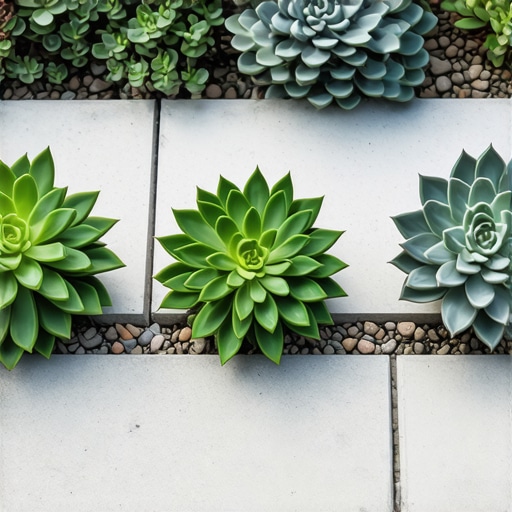
Sedum uses Crassulacean Acid Metabolism (CAM) photosynthesis. It breathes at night. This makes it the most efficient water user in your arsenal. While other plants are losing moisture to the sun, Sedum stays sealed tight. It provides a dense ground cover that suppresses weeds and cools the soil surface.
5. Yucca filamentosa ‘Color Guard’
If you want a plant that can survive a 110-degree afternoon without flinching, this is it. Its waxy cuticle acts as a physical barrier to moisture loss. It adds a structural element that works perfectly with hardscaping and rock gardens. It is the ultimate low-maintenance specimen for 2026 designs.
“In xeriscaping, the goal is not simply to withhold water, but to manage soil structure so that available moisture is utilized with 100% efficiency at the root hair level.” – University of Arizona Extension
How much modified gravel do I need for a patio base?
Calculating modified gravel for a hardscape base requires multiplying your total square footage by your desired depth in feet, then dividing by 27 to find the cubic yardage. For a stable, zero-water patio, a minimum of 6 inches of compacted 2A modified stone is required to ensure structural integrity and proper hydrostatic drainage. Do not skip the compaction. You need a plate compactor that delivers at least 4,000 lbs of centrifugal force. If the tamper doesn’t literally bounce off the surface, you aren’t done. Soft spots lead to settling, and settling leads to cracked pavers. It is basic physics.
| Material | Drainage Rate | Compaction Resistance | Life Span |
|---|---|---|---|
| 2B Clean Stone | High | Medium | 20+ Years |
| Modified Gravel | Low | High | 15+ Years |
| Crushed Granite | Very High | High | 30+ Years |
Checklist for Zero-Water Installation
- Soil Test: Check pH and Cation Exchange Capacity before buying plants.
- Grading: Ensure a 2% slope away from all structures.
- Utility Check: Call 811 before you dig a single inch.
- Inorganic Mulch: Use 3/8-inch pea gravel or crushed stone instead of wood mulch.
- Drip-Line Setup: Install for year-one establishment only, then abandon.
While the internet tells you to water every day, turf grass and perennials actually need deep, infrequent watering exactly 1 inch per week during establishment to force roots to chase the moisture down. If you surface-water every day, you are training your plants to be weak. Shallow roots die in the first heatwave. Deep roots survive decades. This is the difference between a contractor and a craftsman. You build for the root, not for the flower. The flower is just the reward for getting the engineering right. You must understand the bulk density of your soil. If your soil is too dense, the roots can’t breathe. If it’s too loose, they can’t anchor. It is a balance of porosity and structural stability. Stop using big-box store fertilizers. They are high-salt and kill the mycorrhizal fungi that your zero-water plants depend on for nutrient uptake. Use organic, slow-release minerals that feed the soil, not just the plant. Your yard is a biological engine; treat it like one.