5 2026 Best Plants for Modern Steel Planters
The Engineering Reality of Steel Planter Horticulture
To succeed with modern steel planters, you must manage soil thermal conductivity and hydrostatic drainage by utilizing high-porosity substrates and internal insulation layers that protect root systems from extreme temperature fluctuations common in metallic vessels. Steel is a heat sink. In the summer, unlined Corten or powder-coated steel can reach internal temperatures exceeding 120 degrees Fahrenheit, effectively cooking the rhizosphere. This isn’t just about aesthetics; it is about thermodynamics. Most homeowners buy a $500 planter and fill it with $10 worth of cheap potting soil. That is a recipe for root rot and thermal shock. I always drill into my new crew members: if you don’t fix the soil grading and drainage first, every plant you put in the ground is just expensive compost. We treat a steel planter like a micro-bridge project. It needs a solid base, proper drainage weep holes, and a substrate that won’t compact into a brick after three months.
“A retaining wall doesn’t fail because of the stone; it fails because of the water trapped behind it.” – Hardscape Engineering Axiom
This same logic applies to containers. If the water can’t get out, the anaerobic bacteria take over, the pH drops, and your high-dollar specimen dies in a week. We use a 1-inch rigid foam insulation board on the interior walls of every steel planter we install. It breaks the thermal bridge and keeps the root flare at a consistent temperature. If you skip this, you are just building a slow-motion kiln for your plants.
1. Agave ovatifolia (Whale’s Tongue Agave)
Agave ovatifolia is the premier choice for modern steel planters due to its high drought tolerance and architectural rigidity, which allows it to thrive in the high-heat environment of metallic containers without scorched leaf margins. This plant is a beast. It handles the reflected heat from steel better than almost anything else in the nursery. Its glaucous blue-gray foliage provides a sharp contrast against the rusted patina of Corten steel. You need to ensure the soil has at least 40 percent inorganic material—perlite, pumice, or crushed granite. If the soil stays wet, the roots will disintegrate. We aim for a pH of 6.5 to 7.0. In 2026, we are seeing a shift toward these structural succulents because they don’t require the constant irrigation that most annuals do. One deep soak every two weeks is plenty. Let the soil dry out completely. If the leaves start to pucker, you’ve waited too long, but if they turn yellow at the base, you’re drowning it. There is no middle ground with Agave.
2. Miscanthus sinensis ‘Gracillimus’ (Maiden Grass)
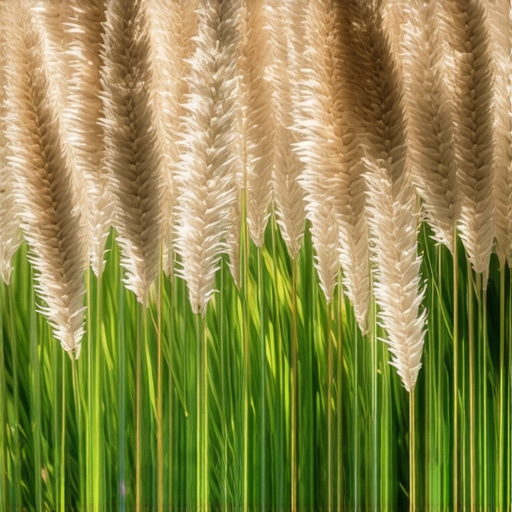
Miscanthus sinensis ‘Gracillimus’ offers essential vertical interest and textural contrast for 2026 garden designs, functioning as a bio-filter that survives the freeze-thaw cycles of exposed steel containers in USDA zones 5 through 9. Most people underestimate the wind-loading on a tall grass in a planter. You need a heavy soil mix at the bottom to lower the center of gravity, or the whole setup will tip in a 30-mph gust. This grass is tough. It handles the vibration and the rapid temperature shifts. We cut it back to 4 inches in late winter. By mid-spring, it’s pushing new green shoots. The fine texture of the blades softens the hard, industrial lines of a steel box. It creates movement. When the wind hits it, the sound is rhythmic, not abrasive. It’s a functional choice for privacy screening without the weight of a stone wall.
How much modified gravel do I need for a patio base?
For a standard hardscaping project, you need a minimum of 4 to 6 inches of compacted 21A modified gravel (also known as CR-6) to ensure structural stability and prevent paver settling due to hydrostatic pressure. If you are placing large steel planters on top of this, increase the base to 8 inches. You have to use a plate compactor in 2-inch lifts. If you throw 6 inches of stone in a hole and hit it once with a tamper, it’s going to sink. Soil compaction is the difference between a 20-year patio and a 2-year disaster.
3. Salvia rosmarinus ‘Prostratus’ (Trailing Rosemary)
The Trailing Rosemary is a strategic choice for steel planters because its pendulous growth habit softens hard edges while its essential oils provide high resistance to the radiant heat emitted by steel surfaces. You want this spilling over the side. It breaks up the vertical plane. Rosemary is a Mediterranean native; it wants lean soil. Do not over-fertilize this. High nitrogen makes it leggy and weak. You want tough, woody growth. It can handle the pH spikes that happen when salts build up in a container. We use a drip line with a 0.5 gallon-per-hour emitter tucked right at the base. It keeps the root ball moist but not saturated. Rosemary is also a natural pest repellent. It’s one of the few plants that actually benefits from the high-light environment of a south-facing steel installation.
4. Juniperus squamata ‘Blue Star’
Juniperus squamata ‘Blue Star’ is a low-maintenance evergreen shrub that provides year-round color and structural density, making it ideal for modern landscaping where winter aesthetics are as critical as summer performance. This isn’t your grandma’s juniper. It grows slowly, which is exactly what you want in a container. You don’t want to be pruning every two weeks. Its silver-blue needles look incredible against dark grey powder-coated steel. The key here is the root flare. I see too many guys burying these 4 inches too deep. That is a death sentence. The flare needs to be at or slightly above the soil line. If you bury it, the bark will rot, and the vascular system will shut down. Junipers are susceptible to tip blight if they don’t have enough airflow, so don’t crowd them. Give them room to breathe.
What is the best way to prevent rust stains from steel planters?
To prevent rust runoff from staining natural stone pavers or concrete, you must install planter feet or a recessed plinth to create an air gap, allowing water to flow freely to a designated drainage channel. We often use a stainless steel tray system or a hidden French drain beneath the planter’s location. If the planter sits flush on the stone, the moisture stays trapped, and the oxidation will permanently dye your hardscaping. You can’t scrub that out; you have to grind the stone down or replace it.
5. Pennisetum setaceum ‘Rubrum’ (Purple Fountain Grass)
Purple Fountain Grass acts as a dynamic focal point in garden design, utilizing its burgundy foliage to complement the industrial aesthetic of steel while providing high heat resilience during peak summer months. While often treated as an annual in cooler climates, its growth rate is staggering. In a single season, it can fill a 24-inch planter. This plant is a heavy drinker. If you are using a steel planter in a high-sun area, you need to be watering this daily or have an automated irrigation system. It’s a nitrogen hog. We use a slow-release 14-14-14 fertilizer at the start of the season and then supplement with a liquid kelp extract every three weeks. It keeps the purple deep and the seed heads upright.
“For container-grown woody ornamentals, the substrate must provide at least 20% air-filled porosity after drainage to prevent root hypoxia.” – Nursery Management Standard
This is why we don’t use standard garden soil in these boxes. It’s too heavy. We mix our own using composted pine bark, coarse sand, and expanded shale.
Comparison of 2026 Steel Planter Species
| Plant Name | Growth Rate | Water Need | Key Engineering Benefit |
|---|---|---|---|
| Agave ovatifolia | Slow | Very Low | Reflected Heat Resilience |
| Maiden Grass | Moderate | Moderate | Wind Load Stability |
| Trailing Rosemary | Moderate | Low | Edge Softening / Heat Tolerance |
| Blue Star Juniper | Very Slow | Moderate | Year-Round Structural Density |
| Purple Fountain Grass | Fast | High | Visual Focal Point / Rapid Fill |
Execution Checklist for Steel Planter Installation
- Drill 1/2-inch drainage holes every 6 inches in the planter base.
- Line interior walls with 1-inch R-5 rated rigid foam insulation.
- Install a 2-inch layer of washed river stone or expanded shale at the bottom.
- Apply a non-woven geotextile fabric over the stone layer to prevent soil migration.
- Fill with a high-porosity engineered substrate (avoid cheap topsoil).
- Set the root flare 1 inch above the final soil grade to allow for settling.
- Install a 1/4-inch micro-drip irrigation line with pressure-compensating emitters.
The biggest mistake I see is people treating these like temporary pots. If you are investing in high-quality steel, you are building a permanent feature. The soil chemistry will change over time. Salts from tap water will build up in the metal. Every three years, you need to flush the soil with a heavy volume of water to leach those salts out. If the tips of your plants start turning brown despite regular watering, that is salt burn. It’s common in steel because there is no evaporation through the sides of the pot like there is with terra cotta. All the evaporation happens at the surface, leaving the minerals behind. Manage your chemistry, manage your heat, and these plants will last a decade. Skip the prep, and you’ll be buying new plants by July.
{“@context”:”https://schema.org”,”@type”:”HowTo”,”name”:”How to Install a Modern Steel Planter”,”step”:[{“@type”:”HowToStep”,”text”:”Drill drainage holes in the base of the steel container to prevent water logging.”},{“@type”:”HowToStep”,”text”:”Insulate the interior walls with rigid foam to break the thermal bridge.”},{“@type”:”HowToStep”,”text”:”Add a drainage layer of coarse aggregate and cover with geotextile fabric.”},{“@type”:”HowToStep”,”text”:”Fill with an engineered soil mix and install plants with the root flare exposed.”}]}