5 2026 Best Shrubs for Compact Side Garden Bedding
5 Best Compact Side Garden Shrubs for 2026: A Horticultural Engineering Approach
I always drill into my new crew members: if you do not fix the soil grading first, every plant you put in the ground is just expensive compost. Most side gardens fail because they are treated as an afterthought. You have narrow corridors where hydrostatic pressure from the foundation meets poor solar exposure and restricted airflow. If you slap a plant in a hole without assessing the drainage and soil bulk density, you are performing a slow-motion execution, not landscaping. We treat these compact spaces as high-stress engineering zones. Before a single nursery pot arrives, we check for utility lines, assess the freeze-thaw potential, and verify that the soil pH is within the 0.5 margin required for the specific species. This is not about aesthetics; it is about biology and structural integrity.
Why Soil Grading is the Foundation of Side Garden Design
Proper soil grading ensures that surface water moves away from the foundation at a minimum slope of two percent to prevent structural saturation and root rot. In compact side gardens, landscaping efforts must prioritize drainage over ornamentation to avoid creating a swamp that breeds fungal pathogens and undermines the home’s footers. You must establish a positive pitch. If the soil is flat, water sits. If water sits, roots suffocate. Most homeowners fail to realize that soil is a living lung. When you saturate it, you drown the aerobic bacteria necessary for nutrient cycling. You need a 50/25/25 ratio: 50 percent solids, 25 percent air space, and 25 percent water. Anything less is a tomb.
“A retaining wall doesn’t fail because of the stone; it fails because of the water trapped behind it.” – Hardscape Engineering Axiom
How do I calculate the slope for a side garden bed?
To calculate the necessary slope for drainage in a garden design, use a line level and stakes to ensure a drop of at least 1 inch for every 4 feet of horizontal distance away from the foundation. This prevents water from pooling against the masonry and protects the shrub root zones.
The 5 Best Shrubs for 2026 Compact Side Bedding
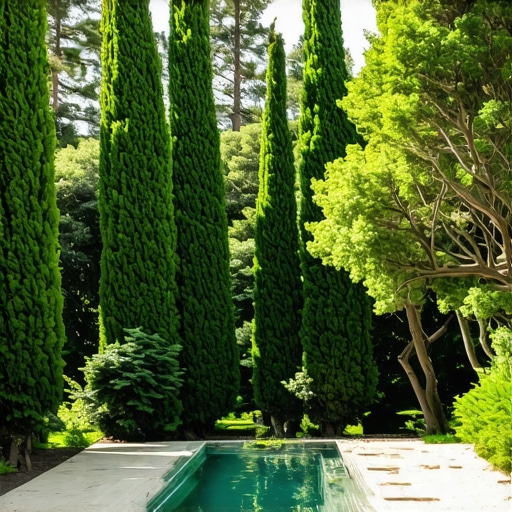
The best shrubs for 2026 focus on disease resistance, climate resiliency, and controlled growth habits that eliminate the need for constant pruning. Selecting the right cultivars, such as the NewGen Independence Boxwood or the Tiny Wine Ninebark, ensures that your hardscaping and softscaping elements coexist without the plant overrunning the walkway or encroaching on the siding. We look for cultivars that have been trialed for at least five years to ensure they can handle the volatile weather patterns we are seeing. 1. Buxus ‘NewGen Independence’: This is the gold standard for boxwood blight resistance. It holds a deep green color and grows in a tight, 3-foot mound. It is perfect for formal edges. 2. Physocarpus opulifolius ‘Tiny Wine’: A dwarf ninebark that offers dark burgundy foliage without the 8-foot sprawl of older varieties. It thrives in pH levels of 4.5 to 6.5. 3. Ilex glabra ‘Strongbox’: A native alternative to boxwood. It is a gallberry holly that stays tight and low, handling wetter soils better than most evergreens. 4. Hydrangea paniculata ‘Fire Light Tidbit’: The smallest panicle hydrangea on the market. It maxes out at 3 feet and blooms on new wood, making it fool-proof for pruning. 5. Juniperus virginiana ‘Taylor’: If you need verticality in a 2-foot wide space, this is it. It is a columnar eastern red cedar that stays narrow and acts as a living pillar.
| Shrub Variety | Mature Width (Inches) | USDA Hardiness Zone | Soil pH Preference |
|---|---|---|---|
| Buxus ‘NewGen Independence’ | 36-40 | 5-8 | 6.5-7.5 |
| Physocarpus ‘Tiny Wine’ | 36-48 | 3-7 | 4.5-6.5 |
| Ilex glabra ‘Strongbox’ | 24-36 | 5-9 | 5.0-6.0 |
| Hydrangea ‘Fire Light Tidbit’ | 24-36 | 3-8 | 6.0-7.0 |
| Juniperus ‘Taylor’ | 30-36 | 4-9 | 5.0-8.0 |
What is the best mulch for side garden shrubs?
Triple-shredded hardwood mulch is the professional standard because it mats together to prevent erosion while breaking down into organic matter. Apply exactly 2 to 3 inches of mulch, but never pile it against the trunk, as this causes root flare rot and encourages girdling roots.
Engineering the Planting Hole for Long-Term Success
A planting hole is not just a hole; it is a transition zone between the nursery container and the native soil. Dig the hole twice as wide as the root ball but no deeper than the height of the root ball to prevent settling, which leads to the dreaded mulch volcano effect. I see this mistake daily. If you bury the root flare, you are suffocating the lenticels, which are the pores the tree uses to breathe. It is a death sentence. Use a spade to score the sides of the hole. This prevents ‘glazing’ in clay soils, which acts like a ceramic pot and prevents roots from penetrating the surrounding earth. Lawn care starts at the edge of these beds; ensure your mower discharge never blows nitrogen-rich clippings into the shrub base, as this can throw off the soil chemistry.
“Soil preparation is the only phase of landscaping where you have total control over the environment; once the plant is in the ground, you are at the mercy of the weather.” – Penn State Extension Horticultural Manual
- Step 1: Verify 811 utility markings before excavation.
- Step 2: Test soil drainage by filling a 12-inch hole with water; it should drain within 4 hours.
- Step 3: Amend native soil with no more than 20% organic compost to avoid soil interface issues.
- Step 4: Set the shrub so the root flare is 1 inch above the finished soil grade.
- Step 5: Install a 1-inch drip irrigation line with pressure-compensating emitters.
How much modified gravel do I need for a patio base next to garden beds?
For a standard pedestrian patio adjacent to side gardens, you need a minimum of 4 to 6 inches of compacted modified gravel (2A or CR617). This provides the structural load-bearing capacity and allows for lateral drainage away from the planting beds. Compact in 2-inch lifts for maximum PSI stability.
The Critical Importance of Irrigation Timing
While the internet tells you to water every day, turf grass and shrubs actually need deep, infrequent watering—exactly 1 inch per week—to force roots to chase the water down. Shallow watering creates weak plants. In a side garden, where heat reflection from the house can reach 120 degrees Fahrenheit, you must monitor the soil moisture at a 4-inch depth. Use a tensiometer or a simple screwdriver. If the screwdriver does not slide in easily, the soil is too dry. Do not wait for the plant to wilt. Wilting is a stress response that shuts down photosynthesis. By the time you see it, the damage is done. It will rot if the drainage is poor, but it will dessicate if you rely on light sprinkles. Aim for the root zone, not the foliage. Wet leaves are an invitation for powdery mildew and leaf spot. Keep it professional. Keep it precise.