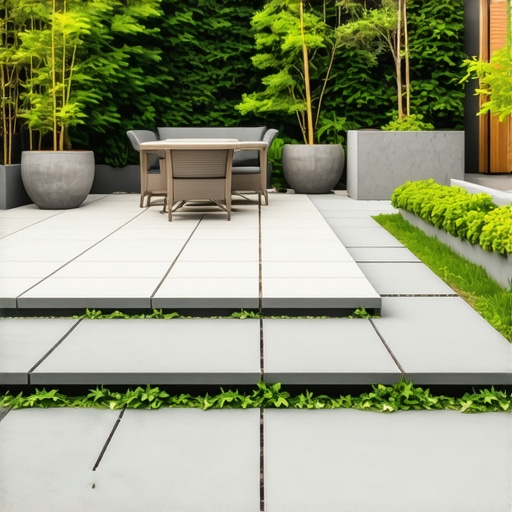
It was a sunny Saturday afternoon when I finally stepped onto my worn-out patio, only to feel that sinking sensation in my stomach. The crackled surface, once sleek and modern, now resembled a patchwork quilt of uneven stones and faded concrete. I’d envisioned a stunning outdoor oasis, but years of weather and neglect had taken their toll. Sitting there, I realized—striking a high-end look on a tight budget wasn’t impossible; it just required a little creativity and knowledge about affordable alternatives.
Why Facial Features Matter in Courtyards and Patios
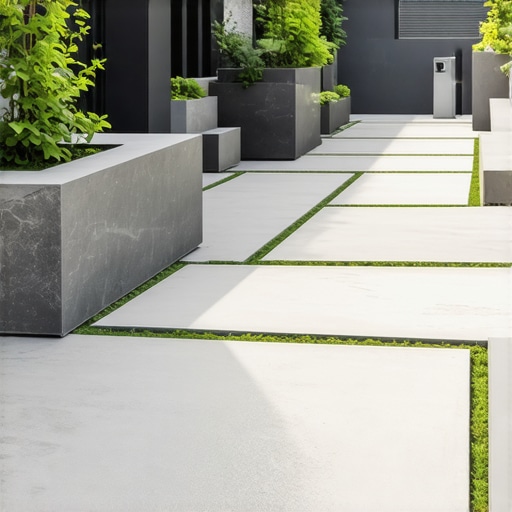
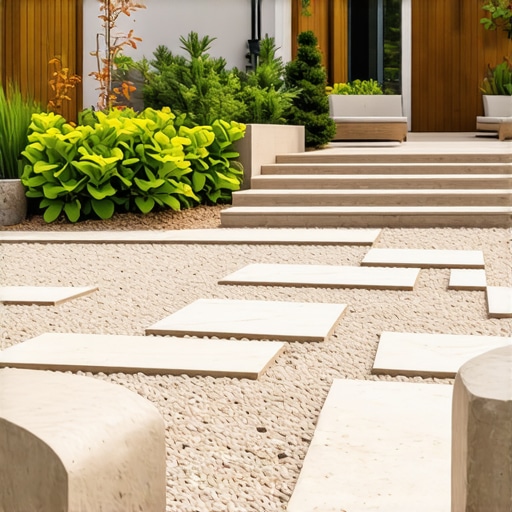
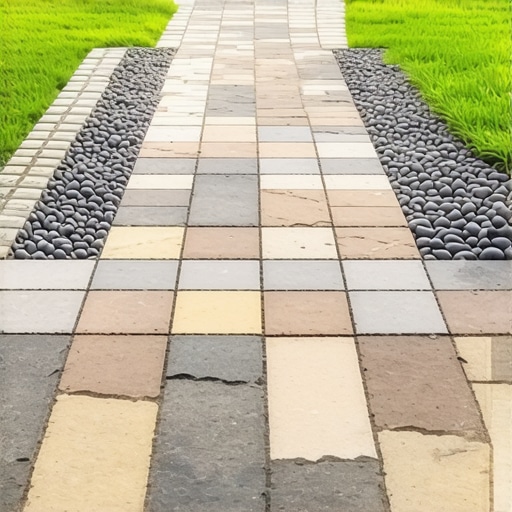
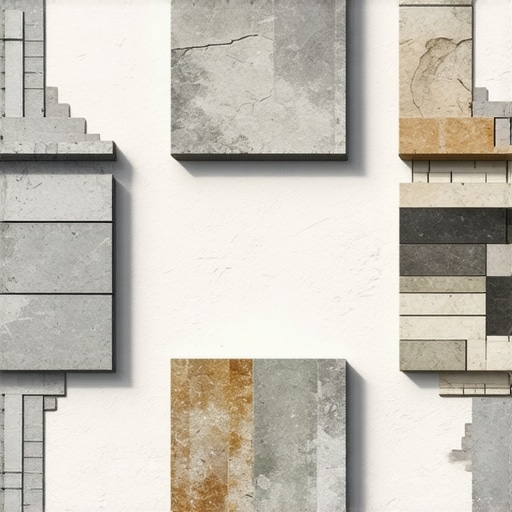
In recent trends, homeowners are shifting away from costly, imported stone pavers toward smarter, budget-friendly options that still deliver style and durability. I discovered that many high-end designs can be recreated using clever substitutes which mimic premium materials but come at a fraction of the price. Whether you’re aiming for a sleek modern vibe or rustic charm, these choices can dramatically enhance your outdoor space without draining your wallet.
Did you know that by 2026, a significant chunk of new outdoor renovations will forego traditional stone in favor of recycled or composite materials? According to industry reports, the trend toward sustainable and cost-effective landscaping solutions is on the rise, making now a perfect time to rethink your patio plans. Plus, I learned that rushing into a costly installation without exploring these options was one of my biggest early mistakes—trust me, I paid for it with regret and extra expenses.
So, are you tired of staring at that dull, cracked patio and wondering if there’s an affordable way to give it some much-needed lift? If so, you’re in the right place. Today, I’ll introduce you to five stone substitutes that give the appearance of luxury without the hefty price tag, backed by real success stories and expert advice. Ready to transform your backyard into a modern retreat? Let’s dive into the options that can make your dream outdoor space a reality—without the high-end price tag.
Assess Your Space and Set Clear Goals
Start by thoroughly inspecting your patio or courtyard, noting cracks, uneven surfaces, and existing materials. Take photos to visualize the changes. Decide on your desired style—modern, rustic, or eclectic—and set realistic goals to match your budget. This initial step prevents costly mistakes during implementation, as I learned when I initially underestimated the scope of my project.
Choose Budget-Friendly, High-Impact Materials
Research affordable substitutes that mimic expensive stones, such as stamped concrete or recycled composites. For example, I used recycled plastic composites that resemble natural stone but cost a fraction, which you can learn about in the [low-cost recycled materials article](https://lawnmajesty.com/5-low-cost-recycled-materials-for-a-high-end-2026-patio). Consider permeable pavers for better drainage and aesthetics—these are both eco-friendly and cost-effective.
Prepare the Ground Properly
Ensure a solid foundation by removing debris, weeds, and loose soil. Use a compactor to level the base, just like I did when I laid my first pathway; the result was a perfectly stable surface that prevented future sinking. Proper prepping at this stage saves you from costly fixes later, similar to the permanent fixes discussed [here](https://lawnmajesty.com/why-your-paver-patio-is-sinking-4-permanent-fixes-2026).
Lay the Foundation with Precision
Begin laying your chosen material, starting from the edges inward. Use a rubber mallet to tap tiles or pavers into place, ensuring a tight fit. When I installed my recycled pavers, I made sure to leave consistent gaps for joint filler—this step enhances stability and appearance. Refer to [modern hardscaping ideas](https://lawnmajesty.com/modern-hardscaping-ideas-to-refresh-your-outdoor-space-in-2025) for layout tips.
Install Edging to Keep Materials Secure
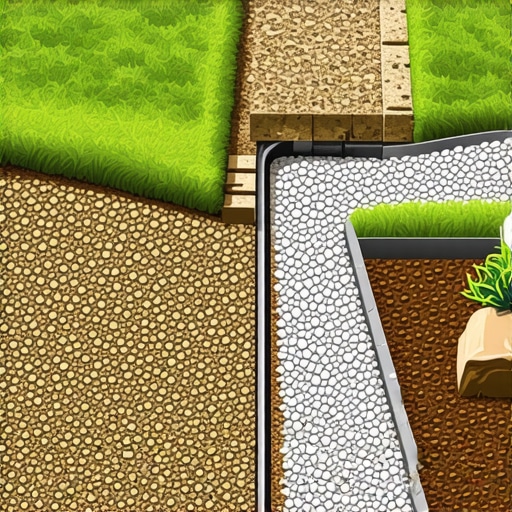
Use affordable aluminum or plastic edging to contain pavers. I installed edging to prevent shifting and weed intrusion—it’s like framing a picture, keeping everything in perfect place. This simple addition significantly prolongs your hardscaping’s lifespan.
Enhance Visual Appeal with Decorative Elements
Add levelled gravel, mulch, or low-cost garden accents to create contrast and depth. I incorporated recycled glass pieces as a border, which sparkled beautifully under sunlight. For inspiration, check out [landscaping design tips](https://lawnmajesty.com/landscaping-design-tips-create-stunning-gardens-for-2025-success) that highlight creative border ideas.
Finish with Smart Lighting and Accessories
Install solar-powered lights along pathways or borders for ambiance and safety. I found that small, inexpensive LED stakes not only looked charming but also extended usability of my patio into the evening. Lighting can dramatically transform the space, making it feel luxurious without overspending, especially when viewed through [hardscaping trend](https://lawnmajesty.com/hardscaping-trends-2025-inspire-your-modern-outdoor-makeover-4).
Many homeowners believe that simply planting a few flowers and laying some turf creates a stunning garden, but this overlooks critical nuances. One widespread myth is that more is always better in landscaping; overcrowding plants can hinder growth and elegance, countering the popular notion that lushness equates to beauty. Instead, understanding the balance of plant spacing and grouping is essential for both health and aesthetics. Additionally, there’s a misconception that hardscaping is a costly, elaborate affair, but subtle, strategic installations like permeable pavers can offer both functionality and style at a fraction of the price, as discussed in [hardscaping ideas for modern outdoor spaces](https://lawnmajesty.com/hardscaping-ideas-for-modern-outdoor-spaces-in-2025-2).
What advanced mistakes do even seasoned gardeners often overlook during design?
One common mistake is ignoring the microclimates within your yard; varying sun exposure, wind patterns, and soil conditions can dramatically influence plant success. Failing to account for these factors leads to poor growth, waste, and disappointment, which is precisely why a detailed site assessment is crucial before planting—something I wish I had prioritized earlier. Experts emphasize that integrating a site-specific approach, including proper soil testing to determine pH and nutrient levels, vastly improves landscaping outcomes and sustainability, as highlighted in [soil tests for greener lawns](https://lawnmajesty.com/6-soil-tests-every-homeowner-needs-for-a-greener-2026-lawn). Another overlooked aspect is the importance of drainage; poor drainage can cause roots to rot and plants to die, yet many novice landscapers neglect this detail, leading to costly fixes down the line. Summing up, doing your homework—understanding the unique nuances of your space and avoiding these common pitfalls—can transform an average yard into a stunning and sustainable outdoor haven.
Have you ever fallen into this trap? Let me know in the comments.
Maintaining your landscaped outdoor space requires the right tools, methods, and a bit of foresight. I personally rely on specialized equipment to ensure my hardscaping and gardening projects stand the test of time, and I recommend investing in quality gear to make ongoing maintenance a breeze. For example, I use a cordless mini tiller for periodic aeration and soil turnover in my flower beds, which keeps the soil healthy and promotes vigorous plant growth without damaging existing roots. This tool is lightweight, easy to maneuver, and battery-powered, making it perfect for small to medium spaces. Additionally, I swear by a high-quality hand pruner for pruning and shrub maintenance; sharp blades and ergonomic handles are crucial for clean cuts and reducing plant stress.
When it comes to watering, a digital rain sensor coupled with a smart irrigation controller allows me to optimize water usage, avoiding overwatering—an issue that can cause root rot and fungal diseases. These systems automatically adjust watering schedules based on rainfall data, and I’ve seen firsthand how they contribute to healthier, longer-lasting lawns and garden beds. For long-term results, I recommend routinely inspecting your hardscaping elements for weed intrusion or shifting pavers and addressing issues early before they escalate into costly repairs. Using a reputable joint filler and sealing cracks can significantly extend the lifespan of your patio or walkway.
In terms of landscape management, I leverage software like GardenSoft for planning and tracking plant health, spacing, and growth progress. This helps in making informed decisions about pruning, fertilization, and replacements, especially as your garden evolves over the seasons. As landscaping trends move toward sustainability, integrating eco-friendly practices—such as composting, mulching, and using native plants—can reduce maintenance efforts over time.
Looking ahead, I believe that smart garden technology will become more accessible and sophisticated, further simplifying landscape upkeep. Automated mowing robots, like those detailed in the [best hardscaping ideas to modernize your outdoor space](https://lawnmajesty.com/best-hardscaping-ideas-to-modernize-your-outdoor-space-in-2025-2), are already making lawn care effortless for many homeowners. To make the most of these advancements, I urge you to try setting up a basic soil testing routine; knowing your soil’s pH and nutrient levels can dramatically improve your planting success, as emphasized by the [six soil tests every homeowner needs](https://lawnmajesty.com/6-soil-tests-every-homeowner-needs-for-a-greener-2026-lawn).
**How do I maintain my landscape over time?** Regular inspections, targeted repairs, and employing smart tools like rain sensors or garden management software ensure that your outdoor space remains vibrant and resilient. Incorporate these practices gradually—start with a reliable pruning set or soil test kit—and you’ll see a noticeable difference in your garden’s health and appearance over the years.
Don’t forget to document your progress using photos or a gardening journal. This way, you can track what works best and plan your next upgrades more effectively. For example, consistent monitoring of your soil’s health can lead to fewer fertilizer applications and healthier plants, ultimately saving you time and money. Make maintaining your landscape an enjoyable routine, and watch it flourish season after season.
During my journey to revamp my backyard, I uncovered several lessons that fundamentally shifted my approach to outdoor design. First, I realized that initial assumptions about cost often blinded me to innovative, affordable materials like recycled composites or permeable pavers that mimic high-end stones. Second, I learned the importance of thorough site assessment—neglecting microclimates and drainage patterns can lead to costly mistakes, a fact I paid for early on. Lastly, embracing sustainable practices such as native plants and proper soil management not only saves money but enriches the overall ecosystem of your garden. These insights transformed my project from a simple makeover into a thoughtful, durable outdoor retreat, proving that with the right knowledge, luxury can be achieved on a budget.
![6 Retaining Wall Mistakes Killing Your 2026 Backyard [Fixes]](https://lawnmajesty.com/wp-content/uploads/2026/02/6-Retaining-Wall-Mistakes-Killing-Your-2026-Backyard-Fixes.jpeg)