![3 Nitrogen-Rich Soil Fixes for a Darker 2026 Lawn [Tested]](https://lawnmajesty.com/wp-content/uploads/2026/04/3-Nitrogen-Rich-Soil-Fixes-for-a-Darker-2026-Lawn-Tested.jpeg)
The Autopsy of a Yellowing Lawn
A homeowner called me in a panic last August after they completely torched their front lawn by applying three times the recommended rate of quick-release urea during a 90-degree heatwave. The grass wasn’t just brown; it was chemically mummified. They wanted that deep, dark green seen on golf courses but didn’t understand that nitrogen toxicity and soil salinity are the fastest ways to kill a turf stand. To get a darker lawn by 2026, we have to stop looking at fertilizer as ‘food’ and start treating it as a metabolic catalyst that requires a healthy soil battery to function. If your soil pH is off or your organic matter is depleted, you are literally throwing money into the storm drain. Your lawn is a biological system, not a carpet.
The Science of Nitrogen Bioavailability
Soil nitrogen availability for a 2026 lawn depends on the mineralization of organic matter into ammonium and then nitrate, which grass roots can actually absorb. To achieve a darker green color, you must balance nitrogen-to-iron ratios and manage the Cation Exchange Capacity (CEC) of your soil to prevent leaching. High nitrogen without proper soil structure is useless.
“A soil test is the only way to accurately determine the nitrogen needs of your turfgrass; applying fertilizer without one is merely guessing and often leads to environmental degradation.” — Penn State Center for Turfgrass Science
How long does nitrogen stay in the soil?
Most synthetic nitrogen is gone in 4 to 6 weeks. It either gets used by the plant, leaches into the groundwater, or off-gasses into the atmosphere. This is why we focus on slow-release polymers and organic bridging to extend the residency time of the nutrients in the root zone.
Fix #1: The Carbon-Nitrogen Bridge (Biochar and Humates)
Biochar and humic acid act as a permanent physical structure in the soil that captures nitrogen ions and prevents them from leaching during heavy rains. By applying a carbon-rich amendment, you increase the soil’s Cation Exchange Capacity, allowing the nitrogen you apply in 2025 to feed the 2026 growth cycle more efficiently. This isn’t a quick fix. It is a structural upgrade. I’ve seen this turn sandy, nutrient-poor soil into a dark, moisture-retaining sponge in two seasons. Don’t skip the carbon.
Fix #2: Biosolid Integration and Slow-Release Mineralization
Slow-release biosolids, such as Milorganite or professional-grade equivalents, provide a steady stream of nitrogen through microbial breakdown rather than water solubility. This ensures the grass stays a consistent dark green without the ‘flush’ of top growth that requires mowing every three days. The iron content found in many biosolids is the real secret to that deep blue-black green that neighbors envy. It stimulates chlorophyll production without forcing the plant to elongate its cells too quickly. It grows denser, not just taller.
What is the best NPK ratio for dark green grass?
For most cool-season grasses aiming for color, look for a high-nitrogen, zero-phosphorus blend like 24-0-4 with at least 50% Slow-Release Nitrogen (SRN). The addition of 2-5% iron is mandatory for the dark tint. High phosphorus is usually unnecessary for established lawns and is restricted in many municipalities.
| Nitrogen Source | Release Speed | Leaching Risk | Color Duration |
|---|---|---|---|
| Urea (46-0-0) | Very Fast | High | Short (2-4 weeks) |
| Polymer-Coated Urea | Controlled | Low | Long (8-12 weeks) |
| Biosolids/Organics | Slow (Microbial) | Very Low | Extended (Season-long) |
Fix #3: Liquid Iron Synergism and Foliar Feeding
Foliar nitrogen and chelated iron applications bypass the soil entirely, delivering nutrients directly through the grass blade’s stomata for an immediate darkening effect. While soil fixes take months, a liquid iron spoon-feeding program can darken a lawn in 48 hours without causing a growth surge. This is the professional landscaper’s ‘cheat code’ for high-end properties. Use a chelated iron (EDDHA or EDTA) to ensure the iron doesn’t get locked up by high soil pH. It works. Period.
“Nitrogen is the most important element for turfgrass culture, but its mismanagement leads to increased disease pressure and thatch accumulation.” — Texas A&M Agrilife Extension
The 2025-2026 Dark Lawn Checklist
- March 2025: Conduct a professional soil test (not a DIY kit) to check pH and CEC.
- April 2025: Apply 0.75 lbs of nitrogen per 1,000 sq. ft. using a 50% slow-release blend.
- June 2025: Core aerate to 3-inch depth and top-dress with 1/4 inch of high-quality compost or leaf mold.
- September 2025: Heavy application of biosolids and humic acid to build the ‘battery’ for next year.
- May 2026: Begin monthly liquid iron applications for the ‘blue-black’ aesthetic.
Stop scalping. Set your mower to 4 inches. The more leaf surface you have, the more nitrogen the plant can process through photosynthesis. A short lawn is a stressed lawn. Let it grow. If you follow this plan, by the spring of 2026, your turf density and color will be the result of engineering, not luck. Soil doesn’t lie.
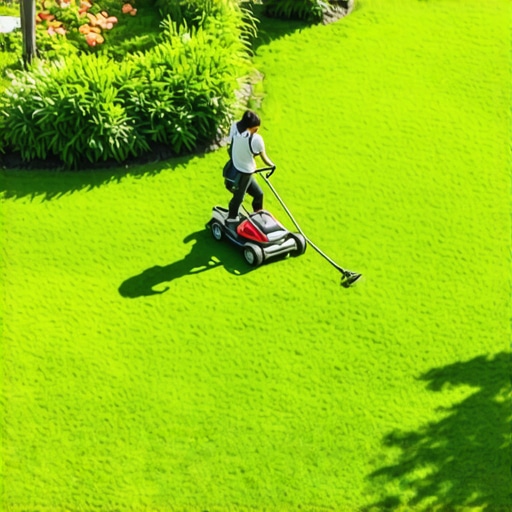
![5 Pro Fixes for Brown Patch Lawn Disease in 2026 [Tested]](https://lawnmajesty.com/wp-content/uploads/2026/02/5-Pro-Fixes-for-Brown-Patch-Lawn-Disease-in-2026-Tested.jpeg)
This article really emphasizes the importance of understanding soil health before jumping straight to fertilization, which is something I’ve learned the hard way. I’ve tried excessive quick-release fertilizers in the past and ended up with more problems than solutions. The idea of using biochar and humates as a structural upgrade makes a lot of sense to me because it seems to address the root of nutrient retention issues rather than just masking them. I also appreciate the focus on organic options like biosolids; they seem more sustainable and effective in the long run. Has anyone here experimented with combining these methods, like biochar plus slow-release biosolids, to see if there’s a cumulative effect on turf health? It’s fascinating how much the soil’s biological system influences the color and density of the lawn—so much more than just applying fertilizer blindly. I’m planning to follow the September biosolid application as suggested; I wonder if others have noticed a visible difference in their turf after incorporating humic acids and biochar?