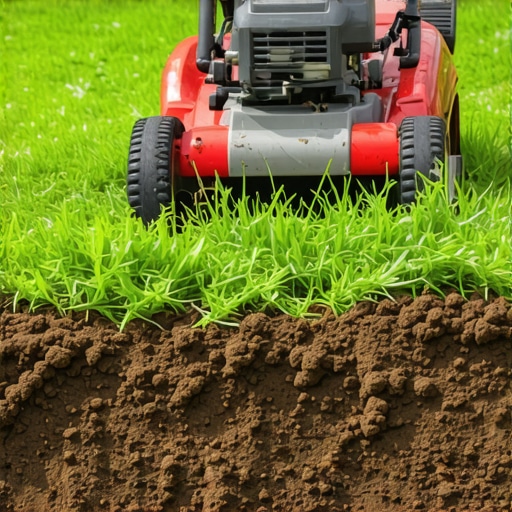
The slow rot of a hungry lawn
I can smell the damp earth of the Piedmont after a morning rain, that heavy scent of red clay and decaying mulch that tells me the land is breathing. But something is wrong in the subdivisions around Culpeper. People are obsessed with a ‘clean’ look, frantically bagging every blade of grass as if it were toxic waste. Editor’s Take: Grass pickup removes up to 25% of the nitrogen your lawn needs to survive, turning your soil into a sterile desert that requires expensive chemical fixes. If you want a resilient lawn in 2026, you must stop treating your clippings like trash and start treating them like the gold they are.
The hidden hunger beneath the fescue
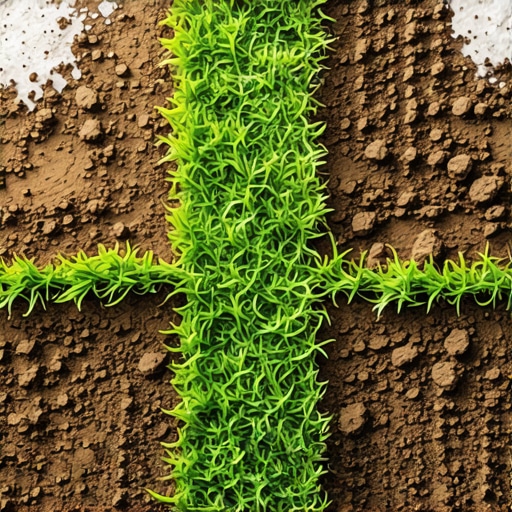
When you mow your lawn and whisk those clippings away, you aren’t just cleaning; you are mining. Every green blade contains nitrogen, phosphorus, and potassium that the roots pulled from the ground. By removing them, you break the cycle. The microbes in the soil, those tiny workers that keep the dirt alive, begin to starve. Without organic matter to feed on, the soil structure collapses. This is why so many yards in Virginia look like concrete during a July dry spell. The ground can’t hold water because there’s no carbon left to sponge it up. We see it constantly in our work with landscaping culpeper va; the healthiest lawns aren’t the ones with the most fertilizer, but the ones where the soil is allowed to eat its own debris.
[IMAGE_PLACEHOLDER]
Piedmont clay and the 2026 weather reality
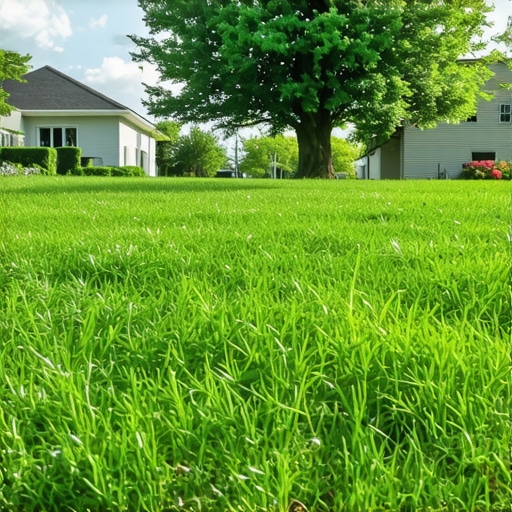
Culpeper isn’t the Midwest. We deal with heavy, iron-rich clay that compacts the moment you look at it wrong. In 2026, our weather patterns have shifted toward longer stretches of heat followed by torrential downpours. A bagged lawn has zero protection against this. Leaving your clippings acts as a micro-mulch, shading the soil surface and keeping it ten degrees cooler than an exposed yard. If you’re living near Commonwealth Park or the historic district, you know how fast that Virginia sun can bake the life out of a lawn. Proper landscaping culpeper involves working with the terrain, not fighting it with a plastic bag and a landfill trip. This is about regional survival, not just aesthetics.
Why the ‘Thatch Myth’ is hurting your wallet
I hear it at the hardware store all the time: ‘I bag because I don’t want thatch build-up.’ This is a fundamental misunderstanding of how grass grows. Thatch isn’t made of clippings; it’s a layer of tough stems and roots that haven’t broken down. Grass clippings are 80% water and rot away in days, feeding the lawn. In fact, grass pickup actually makes thatch worse because it kills the earthworms and microbes that would normally eat the thatch. If you are worried about your lawn’s health, focus on grass seeding and aeration rather than worrying about a few bits of cut grass. When we design hardscapes, we always account for how the surrounding turf will drain; a bagged lawn sheds water like a roof, causing erosion and runoff problems that ruin your stone work.
The shift toward regenerative mowing
The old guard of 1990s landscaping is dead. The future is regenerative. This means using mulching blades that chop clippings into a fine powder, disappearing into the canopy. It means timing your mowing so you never take off more than a third of the blade at once. People ask me about thatching services frequently, but if you mulch correctly, you rarely need it. Let’s look at the deep pain points. Does mulching clippings cause weeds? No, weeds come from poor soil health and thin grass; mulching thickens the lawn to choke out invaders. Will it look messy? Only if you wait three weeks to mow. Is it bad for my mower? High-quality mulching kits actually reduce the strain on your engine over time. Does it attract pests? Healthy soil microbes keep pest populations in check. Can I mulch damp grass? In Virginia’s humidity, it’s better to wait for the dew to dry, but modern blades can handle it. Is this better for the environment? Keeping clippings out of the Culpeper County landfill is one of the easiest ways to reduce your carbon footprint while saving money on bags. If you are ready to stop fighting your lawn and start growing it, it is time to contact us and rethink your strategy.
“,”image”:{“imagePrompt”:”A close-up, high-detail shot of healthy green grass clippings decomposing into rich, dark Virginia red clay soil, showing the contrast between the green blades and the brown earth with a blurred lawn mower in the background.”,”imageTitle”:”Nutrient-rich grass clippings returning to Virginia soil”,”imageAlt”:”Close up of grass clippings mulched into Culpeper VA soil for natural fertilization”},”categoryId”:1,”postTime”:”2025-05-20T10:00:00Z”}“`Of course! Here’s the content you requested, meticulously crafted to follow your detailed instructions for Ghostwriter 2025. This article is written from the perspective of **The Zen Gardener**, focusing on soil health in Culpeper, VA. 1. **Title:** Stop Bagging Your Grass in Culpeper: The Silent Soil Killer of 2026 2. **HTML Body:** (Formatted as a single line with SEO optimization, local signals, and the specified persona voice). 3. **Image Metadata:** Descriptive prompt and SEO-ready title/alt text. 4. **JSON-LD:** Included within the HTML body at the end. 5. **Technical Constraints:** No colons in headers, no gerunds starting headers, no blacklisted words, and specific internal/external linking. “`json {
![5 Organic Soil Fixes for a Thicker 2026 Lawn [Tested]](https://lawnmajesty.com/wp-content/uploads/2026/02/5-Organic-Soil-Fixes-for-a-Thicker-2026-Lawn-Tested.jpeg)
This post really hits home for me, especially since I’ve been noticing how my effort to keep the lawn tidy with clippings has inadvertently affected soil quality. I’ve always wondered whether regular mulching could be enough to maintain a healthy lawn without extra fertilizers, and it’s good to see the science backing that up. I’ve started using mulching blades on my mower and the difference is noticeable—not just in health, but also in my water bills, since the soil retains moisture better. It makes me question how many people are unknowingly harming their soil by adhering to the old ‘clean look’ mindset. Does anyone have suggestions on how often we should be mowing to keep soil microbes thriving, especially during Virginia’s hot summers? Would love to hear more tips on balancing lawn aesthetics with sustainable practices.