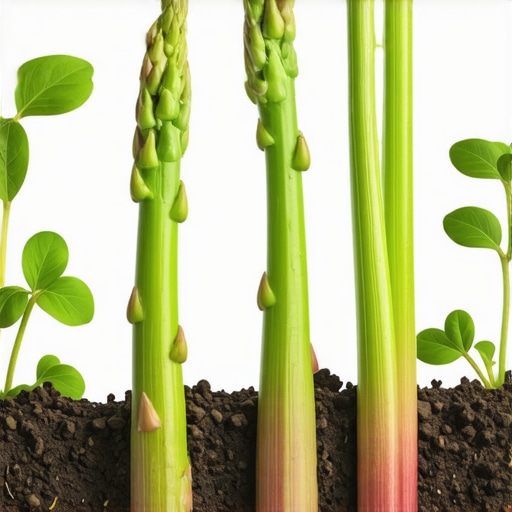
5 Best Edible Perennials for 2026 Kitchen Gardens
Most homeowners approach kitchen garden design backward by treating it like a yearly construction project. They spend hundreds of dollars on annual seeds, bags of cheap topsoil, and plastic seedling trays, only to watch their investment wither away by August. The secret to a low-maintenance, high-yielding kitchen garden lies in established, permanent biology. By integrating hardy edible perennials directly into your garden design, you build a self-sustaining food system that gets stronger, deeper, and more productive with every passing season.
The Apprentice Lesson: Soil Grading and Root Architecture
I always drill into my new crew members: if you don’t fix the soil grading and drainage first, every plant you put in the ground is just expensive compost. I remember an apprentice who planted a premium bed of perennial herbs directly in a low spot where stormwater collected off a concrete patio. Within three weeks, the soil turned into an anaerobic swamp, the roots suffocated, and the entire crop rotted. Plants do not tolerate wet feet, and edible perennials need structural drainage long before you buy them. You must establish a positive grade of one to two percent away from hardscaping structures and amend heavy clay soils with coarse organic matter to facilitate drainage.
“Perennial vegetable crops require exceptional soil structure because their root systems remain undisturbed for years, meaning mistakes made during initial soil preparation cannot easily be corrected later.” – Horticultural Extension Service Manual
The Blueprint for Integrating Edible Perennials
Edible perennial garden design requires a minimum of eight hours of direct sunlight, a soil pH balanced between 6.0 and 6.8, and structured planting zones that accommodate the mature height and root spread of permanent species. Designing a perennial kitchen garden means planning for five, ten, or twenty years down the road. You cannot treat these plants like tomatoes or lettuce; you are establishing permanent biological infrastructure in your landscape.
| Edible Perennial Species | Mature Height & Spread | Ideal Soil pH Range | Years to Full Production | Nutritional/Culinary Focus |
|---|---|---|---|---|
| Jersey Giant Asparagus | 4 – 5 ft Height / 3 ft Spread | 6.5 – 7.0 | 3 Years | High Folate, Spring Shoot Harvest |
| Victoria Rhubarb | 3 – 4 ft Height / 4 ft Spread | 6.0 – 6.8 | 2 Years | Tart Stalks, High Vitamin C |
| French Tarragon | 2 ft Height / 2 ft Spread | 6.5 – 7.5 | 1 Year | Licorice-Flavored Culinary Herb |
| Sunchoke (Jerusalem Artichoke) | 6 – 10 ft Height / 3 ft Spread | 5.8 – 7.2 | 1 Year | Inulin-Rich Edible Tubers |
| Good King Henry | 2 – 3 ft Height / 2 ft Spread | 6.0 – 7.0 | 2 Years | Perennial Spinach Alternative |
How to plant perennial crops for long-term survival?
To plant perennial crops successfully, excavate a planting trench twice as wide as the root ball, backfill with a fifty-fifty mix of native soil and aged leaf compost, and ensure the crown sits precisely level with the surrounding soil surface. Planting too deep causes crown rot. Mulching with two inches of shredded hardwood bark protects the root zone from extreme temperature spikes. Do not use dyed wood mulch. It contains chemical residues that degrade soil biology.
The 5 Best Edible Perennials for 2026
1. Jersey Giant Asparagus (Asparagus officinalis)
Jersey Giant Asparagus is a heavy-yielding, all-male perennial hybrid that produces succulent green spears every spring for up to twenty years without needing replanting. This cultivar is highly resistant to crown rot and rust. Dig a trench twelve inches deep, lay the crowns over small mounds of compost, and cover with two inches of soil. Gradually fill the trench as the fronds grow. Do not harvest during the first two seasons. The roots must establish.
2. Victoria Rhubarb (Rheum rhabarbarum)
Victoria Rhubarb delivers thick, tart red stalks that are excellent for culinary uses, while its massive leaves act as a natural weed-blocking canopy in your garden design. It is a heavy feeder. Rhubarb thrives when planted with a heavy application of composted steer manure. Ensure you do not eat the leaves, as they contain toxic levels of oxalic acid. Cut flower stalks immediately to keep energy focused on root development.
3. French Tarragon (Artemisia dracunculus)
French Tarragon is a woody perennial herb that provides a distinctive anise flavor, thriving in well-drained, sandy loam soils where annual herbs struggle to survive. It cannot tolerate soggy winter soil. If you have heavy clay, plant tarragon in raised beds or near hardscaping retaining walls where drainage is naturally accelerated. Divide the root clump every three years to maintain plant vigor.
4. Sunchokes (Helianthus tuberosus)
Sunchokes are highly productive perennial sunflowers that yield large, crisp, nutty-flavored tubers underground while producing beautiful yellow blossoms eight feet in the air. Be warned: they spread aggressively. Plant them behind a physical root barrier or inside dedicated raised garden beds to prevent them from taking over your lawn care boundaries. Harvest after the first hard freeze for the sweetest flavor.
5. Good King Henry (Blitum bonus-henricus)
Good King Henry is a traditional European perennial green that produces tender leaves similar to spinach, along with edible flower shoots that resemble broccoli rabe. It grows exceptionally well in partial shade, making it a perfect understory plant for food forests. Cut back old foliage in late summer to stimulate a fresh flush of tender leaves for autumn harvesting. It is incredibly cold hardy.
“Water management is the single most critical factor during the establishment year of any perennial crop; underwatering stunts root depth, while overwatering introduces anaerobic pathogens.” – Agronomy Research Group
How much mulch is needed for perennial beds?
For perennial beds, apply exactly two inches of clean, organic mulch across the soil surface, leaving a clear three-inch gap directly around the stem of each plant to prevent fungal infections. Never mound mulch against the plant stem. This creates a moist environment that invites wood-boring insects and rot. Calculate your mulch needs by multiplying the total square footage by 0.16 to determine the cubic yards required for a two-inch depth.
The Critical Year-One Maintenance Protocol
The first year is all about root expansion, not harvest. Cut off all flowers from your new edible perennials during their first season. This forces the plant to channel its energy into developing deep, resilient root structures instead of seed production. Set up a dedicated drip irrigation system along the plant root zones. Overhead sprinklers are highly inefficient and invite leaf blight. Deep, infrequent watering of one inch per week forces the root systems to dig deep into the subsoil, securing long-term drought tolerance.