![5 Low-Maintenance 2026 Front Yard Layouts [DIY]](https://lawnmajesty.com/wp-content/uploads/2026/06/5-Low-Maintenance-2026-Front-Yard-Layouts-DIY.jpeg)
5 Low-Maintenance 2026 Front Yard Layouts [DIY]
The Engineering of Low-Maintenance Front Yard Layouts for 2026
Low-maintenance landscaping in 2026 requires a shift from cosmetic gardening to structural agronomy and hardscaping engineering. By prioritizing soil biology, site grading, and native plant selection, homeowners can reduce manual upkeep by 80% while increasing the structural integrity and biodiversity of their residential property.
The Hardscape Autopsy: A $30,000 Cautionary Tale
A failed hardscaping project usually reveals itself during the first major frost heave or heavy rain cycle, often due to sub-grade negligence. I recently got called out to tear up a $30,000 patio that was sinking because the previous contractor used stone dust as a bedding layer instead of ASTM C33 concrete sand. Stone dust holds moisture and creates a hydrostatic lens that freezes and thaws, pushing pavers out of alignment. We found that the modified gravel base was only 2 inches thick and hadn’t been compacted in lifts. The Standard Proctor Density was nowhere near the required 95%, leading to catastrophic settling. This is why I drill into my crew: the pretty stones on top don’t matter if the geotechnical foundation is garbage. You cannot build a lasting garden design on a 1-inch base. It will fail. Every time.
“A retaining wall doesn’t fail because of the stone; it fails because of the water trapped behind it.” – Hardscape Engineering Axiom
The Foundation of the 2026 Layout
Successful DIY landscaping begins with an 18-inch soil profile analysis and a topographic survey to ensure positive drainage. Before purchasing plants, you must calculate the infiltration rate of your soil and the hydrostatic pressure variables of your specific USDA Hardiness Zone. Most lawn care failures stem from poor soil structure, specifically bulk density issues that prevent oxygen diffusion to the rhizosphere. [IMAGE_PLACEHOLDER]
1. The Native Matrix Meadow
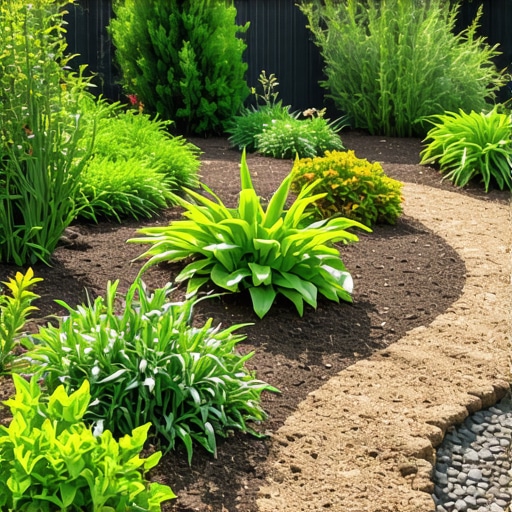
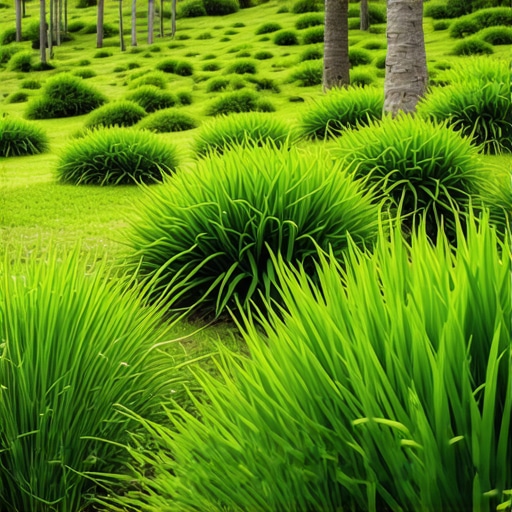
A Native Matrix Meadow replaces high-maintenance turf with a high-density planting of indigenous perennials and sedges to eliminate mowing and fertilizer needs. This layout uses Carex species as a living mulch to suppress weeds while deep-rooted forbs like Echinacea and Asclepias stabilize the soil horizon. Unlike a traditional lawn, this system requires zero NPK inputs once the mycorrhizal network is established. The key is planting density: aim for 1 plant per 12 inches to close the canopy by the second growing season. This prevents sunlight from reaching weed seeds in the seed bank. Use a pre-emergent in early spring during year one, but by year two, the biological competition will do the work for you.
How deep should I dig for a low-maintenance garden bed?
For most perennial layouts, you need to cultivate the top 8 to 12 inches of soil to ensure proper root penetration and aeration. In heavy clay soils, do not add sand; instead, incorporate 2 inches of leaf mold or compost to break up the electrostatic bonds between clay particles. This improves porosity without creating a concrete-like hardpan.
2. The Permeable Structural Grid
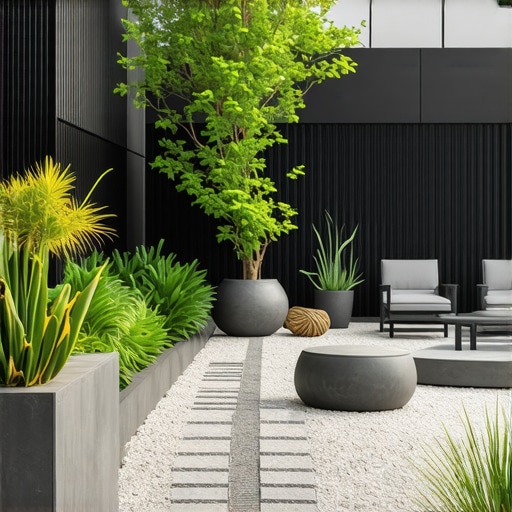
The Permeable Structural Grid uses open-graded aggregates and geometric pavers to manage stormwater runoff and eliminate the need for traditional weeding. By utilizing a #57 stone base topped with #8 stone in the joints, water filters directly into the aquifer rather than pooling on the surface. This prevents algae growth and paver heaving. This layout is ideal for 2026 because it complies with increasing municipal drainage codes. Avoid polymeric sand in these systems; instead, use angular chips that allow for thermal expansion and contraction without cracking. The structural grid provides a clean, modern aesthetic that requires nothing more than an occasional leaf blow to maintain. It is civil engineering for your front yard.
| Material | Cost per Ton | Compaction Target | Porosity Level |
|---|---|---|---|
| 21A Modified Gravel | $38 – $52 | 95% SPD | Low |
| #57 Open-Graded Stone | $42 – $65 | 90% SPD | High |
| ASTM C33 Sand | $32 – $48 | N/A (Bedding) | Medium |
| River Jack (3-5 inch) | $95 – $130 | None | Extreme |
3. The Xeriscape Xerographica Layout
Xeriscaping in 2026 focuses on thermal mass management and evapotranspiration reduction by using mineral mulches and drought-tolerant succulents. By replacing organic mulch with decomposed granite or river rock, you eliminate the nitrogen drawdown that occurs when wood chips decompose. This ensures that the Cation Exchange Capacity (CEC) of the soil remains focused on plant health rather than microbial wood breakdown. Use geotextile fabrics with at least 4.5 ounces of tensile strength to prevent subsoil mixing. This layout is virtually immortal. The primary maintenance task is checking the drip emitters twice a year to ensure they aren’t clogged with calcium deposits. It is the ultimate low-maintenance solution for arid climates or south-facing exposures.
“Soil testing is the most important step in any landscaping project; guessing at pH and nutrient levels leads to plant failure and wasted money.” – Penn State Agricultural Extension
4. The Dwarf Woody Foundation
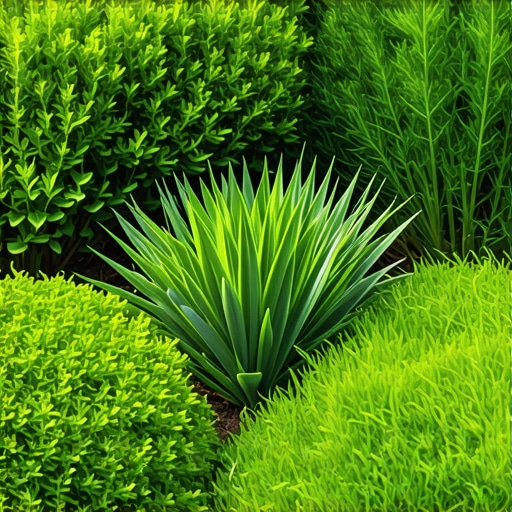
A Dwarf Woody Foundation utilizes slow-growing conifers and deciduous shrubs that have a genetic growth ceiling, removing the need for hedging or pruning. Select cultivars like Picea abies ‘Pumila’ or Ilex glabra ‘Gem Box’ that only grow 1 to 2 inches per year. When planting, you must expose the root flare of the shrub; planting too deep is the number one cause of stem-girdling roots and premature death. Do not create mulch volcanoes. Mulch should be 2 inches deep but must never touch the bark of the plant. This layout relies on mechanical spacing to ensure airflow, which prevents fungal pathogens like Cercospora from taking hold. It is a set-it-and-forget-it garden design that looks professional year-round.
5. The High-Performance Clover Turf
The High-Performance Clover Turf uses Microclover (Trifolium repens ‘Pipolina’) to create a nitrogen-fixing, drought-resistant lawn alternative that stays green with 50% less water. Clover possesses a symbiotic relationship with Rhizobium bacteria, which converts atmospheric nitrogen into a form the plants can use. This means you never need to apply synthetic fertilizers that run off into the watershed. Clover also grows low to the ground, requiring mowing only once or twice a season. It is immune to dog urine burn and thrives in compacted soils where Kentucky Bluegrass would wither. For a 2026 DIY project, this is the most cost-effective lawn care upgrade available. It provides the green look of a lawn without the chemical dependency.
How much modified gravel do I need for a patio base?
To calculate base material, multiply the square footage by the depth in feet (usually 0.5 feet for 6 inches), then divide by 27 to get cubic yards. Multiply cubic yards by 1.5 to account for compaction. For a 200-square-foot patio, you will need approximately 5.5 tons of 21A modified gravel. Don’t skimp on this. If the base is thin, the pavers will settle.
Pre-Installation Technical Checklist
- Call 811: Always mark utility lines before excavating to avoid high-voltage or gas line strikes.
- Soil pH Test: Use a calibrated meter to ensure your soil is between 6.0 and 7.0 for optimal nutrient bioavailability.
- Bulk Density Check: If you can’t push a screwdriver 6 inches into the ground, your soil is too compacted for root respiration.
- Drainage Grade: Ensure a minimum 2% slope away from the foundation of the house (1/4 inch per foot).
- Equipment Prep: Rent a vibratory plate compactor; hand tamping will not achieve the PSI required for a stable hardscape.
The first year after installation is the establishment phase. Even low-maintenance layouts require deep, infrequent watering to force roots to grow deep into the subsoil. Do not sprinkle the surface daily; this encourages shallow rooting and pathogen growth. Apply 1 inch of water once a week. Once the root systems have reached the B-horizon of the soil, these 2026 layouts will thrive with almost no human intervention. Your front yard is no longer a chore; it is an engineered ecosystem. Stick to the measurements. Trust the biology. Don’t take shortcuts on the base layer.