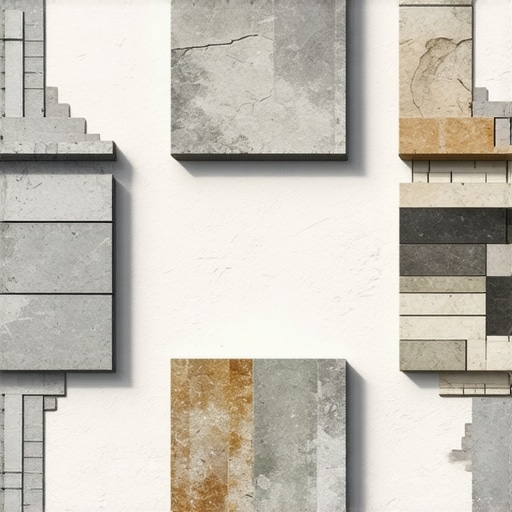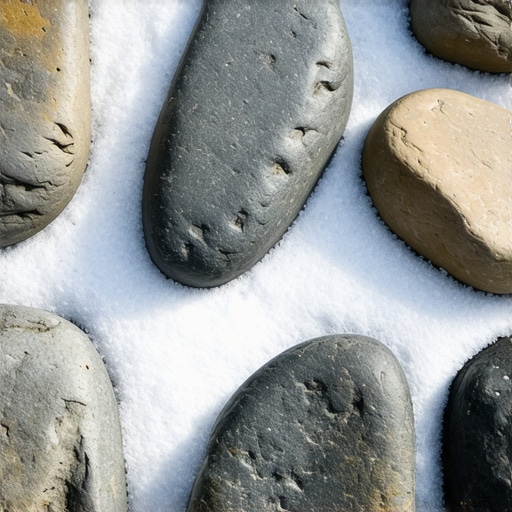
It was a cold, drizzly morning when I stepped out to survey my backyard, only to find my driveway cracking and crumbling more than ever. My heart sank. I realized I had rushed my decision years ago, choosing a material that seemed stylish but couldn’t handle the relentless freeze-thaw cycles. That was my lightbulb moment: if I wanted my driveway to stand strong through 2026 and beyond, I needed to pick the right stones—stones tough enough to defy winter’s worst.
Today, I want to share my journey with you and help you navigate the often-overwhelming world of durable, frost-proof driveway materials. Whether you’re planning now or just daydreaming about upgrades, knowing which stones can withstand harsh winters can save you time, money, and a lot of frustration.
Understanding Why Frost Resistance Matters More Than Ever
Every homeowner dreams of a pristine, long-lasting driveway. But in colder climates, winter isn’t just a season—it’s a relentless force that tests the very foundation of our outdoor spaces. The freeze-thaw cycle can cause traditional materials to crack, settle, or heave, leaving you with costly repairs and safety hazards. Early in my project, I made the mistake of relying solely on appearances, overlooking the importance of frost resistance.
According to a study by the Portland Cement Association, selecting the right materials can extend the lifespan of your driveway by decades, especially in regions prone to sub-zero temperatures. Recognizing this early on might seem technical, but it’s crucial. The stones I initially chose looked beautiful on paper but delivered disappointing results after just a few winters.
The good news is that by selecting resilient stones, you can create a sturdy, frost-proof driveway that stands the test of time. I’ll guide you through the top contenders for 2026, based on durability, aesthetic appeal, and historical performance. But first, let’s address that nagging question many of us have—”Is it really worth investing in tough stones?” If you’ve ever faced cracked pavement or uneven surfaces, you know the answer is a resounding yes. Building with the right materials is an investment in your property’s future, not just a quick fix.
If you’re eager to avoid costly repairs or having to redo your driveway every few years, stay with me. Together, we’ll explore the stones that combine beauty with grit—ready to thrive in even the harshest winters. Ready to dig into the details? Let’s get started on making your outdoor space resilient and stunning.
Choose the Right Stone Material
Start by selecting stones known for their frost resistance. Look for materials like granite, basalt, or certain varieties of limestone, which can handle freeze-thaw cycles. I once visited a supplier and tested small samples in water and cold environments to see which cracked or stayed intact. That hands-on test helped me decide on durable options.
Prepare the Ground Properly
Ensure the subgrade is stable and well-draining. Excavate about 6-8 inches below the desired surface level. Then, lay a geotextile fabric to prevent weed growth and soil mixing, which can compromise drainage. I learned this lesson the hard way when ignoring drainage led to heaving after a harsh winter—so now, I always test soil drainage beforehand using simple drainage tests.
Design a Proper Base Layer
Spread 4-6 inches of crushed gravel or stone dust, compacted in layers. Use a compactor to ensure an even, solid foundation. During my last project, I took my time with the compactor, resulting in a flat surface that didn’t shift after winter. Proper compaction is key because loose base layers are a recipe for cracking as the ground shifts.
Install the Stones with Precision
Lay stones tightly together, ensuring they interlock and sit flush. Use a rubber mallet to tap each piece into place, avoiding uneven gaps. Once laid, sweep sand or polymeric joint filler into the gaps, then compact again. I once rushed this step, leaving gaps that filled with water and froze, cracking the stones. Patience here pays off in longevity.
Seal and Maintain Regularly
Apply a sealant suitable for frost-resistant stones to protect the surface. Regularly check for weeds, loose stones, or cracks. In my experience, sealing before winter and inspecting biannually keep my driveway pristine and crack-free, even after severe cold snaps. It’s comparable to a well-maintained garden: neglect invites damage, but consistent care ensures resilience.
Learn from My Challenges
Initially, I overlooked drainage and used unsuitable materials, resulting in costly repairs. Testing soil drainage, choosing proper base layers, and installing compatible, frost-resistant stones have kept my driveway intact through multiple winters. Incorporating these steps can transform your outdoor project from fleeting to durable—saving time, money, and frustration in the long run.
Many homeowners believe they understand the basics of lawn care, hardscaping, and garden design, but lurking beneath the surface are nuances that can make or break your landscape’s success. One common misconception is the idea that sticking to popular trends guarantees a thriving garden. In reality, blindly following trends like overusing certain plants or outdated hardscaping methods can backfire. For example, opting for widely recommended plants without considering soil compatibility or local climate can lead to poor growth or plant death. Instead, researching native species or climate-tough plants, such as those highlighted in native plant guides ensures resilience and reduces maintenance.
Another trap involves neglecting soil health. Many assume that fertilizing alone is enough, but failing to perform comprehensive soil tests can result in nutrient imbalances. As emphasized in soil testing resources, understanding pH levels and organic matter content allows targeted amendments that promote healthy root systems and vigorous growth.
A common myth is that more water always equals healthier plants. Excessive watering, especially without proper drainage, can cause root rot and disease, contradicting popular advice to keep plants consistently moist. To avoid this, implementing passive irrigation solutions and drainage fixes from soil drainage guides is crucial.
Have you ever fallen into this trap? Let me know in the comments. The key to mastering your landscape lies in understanding these subtle details and making data-driven decisions. For instance, integrating effective hardscaping strategies, like permeable pavers to prevent flooding, can elevate your outdoor space significantly, as discussed here. Remember, thoughtful planning and nuanced knowledge set apart an ordinary yard from a truly flourishing outdoor sanctuary. Stay curious, and keep experimenting with these insights to unlock the full potential of your landscape.Maintaining a lush, resilient outdoor space requires more than just initial planning—you need reliable tools, consistent methods, and a proactive mindset. One of my favorite approaches is using a high-quality soil moisture meter, such as theacurite mini, which allows me to monitor soil conditions precisely and adjust watering schedules accordingly. This helps prevent overwatering or drought stress, saving water and promoting plant health. Additionally, investing in a cordless electric leaf blower streamlines debris removal without the noise and fumes of gas-powered models, making routine cleanups more manageable. For lawn care, I rely on a robust, self-propelled reel mower like theego powertools, which provides a clean cut and reduces turf stress, especially in native grasses I recommend for drought-prone areas. Conversely, a solid aerator, such as thestihl commercial model, becomes indispensable during spring to relieve soil compaction, enhancing root growth and water infiltration. As technology advances, I predict integrated garden management apps like lawnmate will become essential; they sync weather forecasts, watering schedules, and maintenance reminders, bringing convenience to busy homeowners. To stay ahead, I regularly review soil tests—obtained using affordable kits from soiltech—and apply organic amendments tailored to specific deficiencies. The key question I often ask myself is: ‘How do I maintain this landscape over time without escalating costs or effort?’ A proven method I adhere to is the consistent use of mulch around trees and beds, which conserves moisture, suppresses weeds, and gradually enriches the soil. If you’re looking to elevate your landscape’s sustainability and longevity, I highly recommend trying seasonal aeration combined with deep-root fertilization—the results are visibly healthier, denser lawns, and robust plant growth. Remember, embracing these tools and practices now sets the foundation for a thriving landscape for years to come. For more tips on sustainable hardscaping strategies, check out this guide to hardscaping. Start incorporating one of these approaches today, and watch your outdoor space flourish with less effort and lasting beauty.
Over the years, I came to realize that selecting the right stones for my driveway was less about aesthetic appeal and more about resilience. My biggest lightbulb moment was understanding that even beautiful granite can crack under the relentless freeze-thaw cycles if not chosen carefully. By focusing on stones proven to withstand frost, like basalt and certain limestones, I transformed my driveway into a durable surface that stands strong through 2026 and beyond.
Another vital lesson was the importance of preparing the ground properly. I learned that a stable, well-draining subgrade coupled with a solid base layer of compacted gravel makes all the difference. Cutting corners on this step resulted in shifts and cracks after severe winters. Regular maintenance, sealing the surface, and inspecting for cracks have kept my driveway in top shape, proving that ongoing care is as crucial as initial planning.
From my journey, I want to emphasize that building a frost-proof driveway isn’t just about materials—it’s about understanding the environment, patience during installation, and commitment to upkeep.
The Insiders’ Secrets to Driveway Durability You Won’t Find Elsewhere
- Choose stones like basalt or frost-resistant limestone that have a proven track record against freeze-thaw damage. I tested samples in water and cold environments before making my selection, saving myself costly repairs later.
- Never neglect the importance of proper ground preparation and base compaction. Skimping on this led to shifting and cracking, but thoroughness here has paid off over multiple winters.
- Don’t forget regular sealing and inspections. Catching small cracks early prevents bigger issues—think of it as treatment for a lasting health.
- Beware of the temptation to choose style over function. In cold climates, resilience should always come first, even if it means compromising a bit on visual appeal.
- Stay proactive with maintenance. Simple tasks like sweeping debris and sealing cracks annually make a significant difference in lifespan.
Tools and Resources That Changed My Approach
- Frost-resistant stone guides – I trust their detailed comparisons and real-world tests that helped me pick the best materials.
- Drainage and foundation resources – Ensuring proper ground setup was crucial for my driveway’s longevity.
- Maintenance checklists – Regular upkeep became manageable and effective with these guides.
- Hardscaping ideas for durability – They inspired me to integrate both form and function seamlessly.
Take the Next Step Toward a Resilient Garden
Building a frost-resistant driveway is less about luck and more about strategic choices, patience, and ongoing care. The journey has made me confident in making proactive decisions, investing in quality materials, and maintaining my outdoor spaces thoughtfully. I encourage you to apply these insider lessons to your project—your future self will thank you for the effort and foresight invested today.
What has been your biggest challenge with outdoor hardscaping or lawn care? Share your story below and let’s grow together in mastering these secrets for a lasting landscape.
**
![6 Retaining Wall Mistakes Killing Your 2026 Backyard [Fixes]](https://lawnmajesty.com/wp-content/uploads/2026/02/6-Retaining-Wall-Mistakes-Killing-Your-2026-Backyard-Fixes.jpeg)