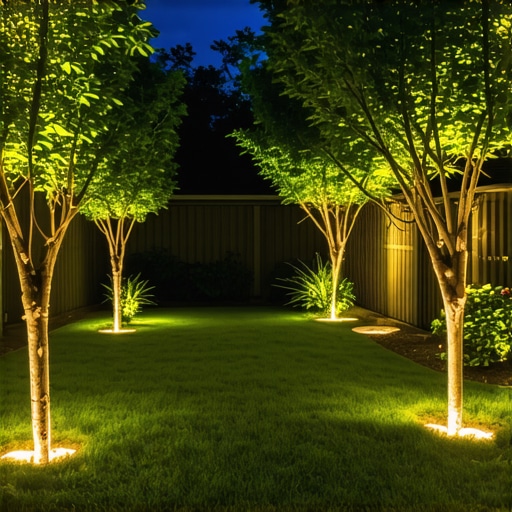
One summer evening, I stood in my backyard, marveling at the glow of my new outdoor lighting system—until I noticed the shadows creeping where they shouldn’t be, and a flickering bulb that threatened my entire mood. Turns out, I had fallen for some classic pitfalls early on, mistakes that quietly sabotage your outdoor ambiance and cost you in the long run. We’ve all been there, pouring time and money into a dream landscape only to have it undercut by overlooked details.
Today, I want to share with you the five most insidious errors that can wreck your outdoor lighting setup before 2026 even arrives. These aren’t just superficial issues; they’re fundamental missteps that, if uncorrected, can lead to dim, uneven, or even damaging lighting that drains your excitement and wallet. My journey from frustration to enlightenment wasn’t swift—believe me—I made more than my fair share of early mistakes, especially in wiring and placement.
But here’s the good news: many of these pitfalls are entirely fixable with a little knowledge and some strategic tweaks. By uncovering these common errors, you’ll be better equipped to design a lighting plan that’s both stunning and durable, saving you from costly repairs or replacements down the line.
Are you worried about ending up with a backyard that’s all gloom and no glow? Or maybe you’ve already faced issues like uneven light distribution or accidental damage? You’re not alone. Many homeowners overlook critical aspects of outdoor lighting, leading to disappointment just when you want your yard to shine—literally.
Let’s dive into the first major mistake that can threaten your outdoor project and discover how to avoid it before it’s too late. Remember, a well-planned lighting scheme isn’t just about brightness; it’s about creating atmosphere, safety, and value for your home. To get inspired, check out the latest [landscaping trends for 2025](https://lawnmajesty.com/landscaping-trends-2025-modern-ideas-for-stunning-gardens) that emphasize integrated lighting solutions.
Now, onto the issues that could be silently sabotaging your outdoor illumination.
Assess Your Space Carefully
Before installing any outdoor lighting, walk around your yard during evening hours to observe natural shadows, dark spots, and areas that need highlighting. I remember once testing my new fixtures at dusk, noting how some areas remained dim while others were overly bright. To balance this, sketch a layout highlighting zones requiring different light intensities, considering paths, patios, and focal plants. Analogy: Think of your yard as a canvas—lighting should highlight the art, not drown it in darkness or wash it out.
Choose the Right Fixtures Strategically
Select fixtures based on purpose: downlights for pathways, uplights for trees, and accent lights for features. I once grabbed a bundle of fairy lights without much thought—resulting in uneven glow and wasted energy. Instead, I invested in directional fixtures that I could tune specifically to each feature. Just like fitting puzzle pieces, each light must complement the others to create harmony. Remember, high-quality fixtures might cost more upfront but save you repairs or replacements later. For durable options, explore the latest hardscaping trends that include weather-resistant lighting.
Plan Wiring and Power Sources Smartly
Neatly run wiring underground, avoiding exposure to elements and mechanical damage. I once temporarily wired my setup above ground—ending with exposed wires snagged by garden tools. To prevent that, I used flexible conduit and marked the wiring route clearly. Think of wiring like the veins of your landscape, needing protection and clarity. Using low-voltage systems not only enhances safety but also simplifies installation. For a smooth electrical foundation, consider professional advice or comprehensive guides to avoid hazards and ensure longevity.
Focus on Proper Placement and Spacing
Place fixtures about 4-6 feet apart for even coverage, considering the height and beam angle. I initially placed fixtures randomly, which created hot spots and shadows, like uneven lighting in a theater. Once I measured and aligned fixtures along walkways and borders, the ambiance transformed into a welcoming glow. Use stake markers or temporary setups to test light effects before permanent installation. For larger landscapes, stagger the lights to prevent overlapping beams that cause glare, much like layering paint to create depth.
Test and Adjust Before Finalizing
After installing, switch on the lights at night to evaluate their effect. I once missed an overly bright spotlight that washed out my garden view—causing frustration. Adjust fixtures accordingly, dimming or redirecting beams as needed. Consider timers and dimmers to control brightness and save energy. This step is akin to rehearsing a performance—fine-tuning ensures your lighting performs perfectly when it matters most. Keep in mind that simple tweaks can dramatically improve the overall ambiance, much like editing a photo to enhance its natural beauty.
Many seasoned landscapers and garden enthusiasts agree that common misconceptions often lead to costly mistakes, especially when it comes to lawn care and landscape design. Contrary to popular belief, simply choosing the most vibrant plants or the most elaborate hardscaping features doesn’t guarantee a masterpiece. Often, overlooking nuanced factors like soil health, microclimates, or the importance of proper drainage can undermine your efforts. For instance, installing a beautiful patio without considering underlying soil stability can result in cracking and sinking over time, wasting your investment. Expert landscapers emphasize the significance of understanding the subtle interplay between soil composition and plant selection, ensuring sustainability and longevity of your landscape. An often unnoticed trap is the tendency to neglect local climate variations—what works in a temperate zone may fail miserably in a scorching or humid environment. Modern landscaping increasingly integrates smart soil testing and climate-adapted plant choices; studies show that tailored approaches outperform generic templates in durability and beauty. But many fall into the trap of copying trends without proper adaptation, leading to patchy lawns or unsuitable plant growth. Have you ever fallen into this trap? Let me know in the comments.
Why do some lush lawns die despite proper watering and fertilization?
The answer often lies beneath the surface—soil drainage, pH levels, and compaction play crucial roles. Experts warn that overwatering can lead to root rot if the soil doesn’t drain properly, which many homeowners overlook. Ensuring your soil has adequate porosity and isn’t overly compacted is essential; this is why techniques like aeration and organic soil amendments are vital. Furthermore, choosing the right grass species tailored for your local climate, such as drought-resistant varieties, can be a game-changer in scorching summers. For insights into selecting resilient turf, check out top [tough grass species for summer](https://lawnmajesty.com/5-tough-grass-species-for-scorching-2026-summer-yards). This nuanced understanding helps prevent the ‘oops’ of watching your hard work wither under preventable stressors. To avoid similar pitfalls, professional advice often recommends regular soil testing and adaptive management. Recognizing these lesser-known nuances ensures your landscape remains thriving and vibrant for years to come. Dive into the latest [landscaping trends for 2025](https://lawnmajesty.com/landscaping-trends-2025-modern-ideas-for-stunning-gardens) to stay ahead in sustainable garden design.
Invest in Precision Tools for Long-Lasting Results
To ensure your lawn and garden stay healthy year after year, I rely on high-quality, precision tools. A cordless electric cultivator, for example, makes aeration effortless and thorough, promoting better soil health without the hassle of gas fumes or cord clutter. Personally, I use the GreenWorks 40V model because of its lightweight design and powerful performance, which allows me to aerate my lawn in sections without fatigue. Coupled with a durable soil pH tester, I can identify nutrient deficiencies early and adjust my fertilization schedule accordingly. Regular soil testing—using tools like the LaMotte Soil Test Kit—provides data-driven insights that can make the difference between a decent lawn and a stunning one that endures over time.
Embrace Smart Technologies for Garden Management
Modern garden care is increasingly driven by automation and data. Smart irrigation controllers, such as Rachio’s 3rd Generation model, align watering schedules with weather forecasts, soil moisture levels, and historical data. This not only conserves water but ensures your plants receive exactly what they need, reducing overwatering that can lead to root rot, a common issue in lush lawns. Additionally, app-based lawn maintenance trackers help schedule precise mowing, fertilization, and pest control, keeping your outdoor space healthy and beautiful without overextending your manual efforts. As technology advances, I predict continued integration of AI-driven systems that adapt in real time, providing tailored care instructions based on local climate nuances. For inevitable long-term success, adopting these tools now can save you time and money while delivering consistently resilient results.
How do I maintain my garden tools and tech equipment over time?
Proper maintenance extends their lifespan and performance. For manual tools like shears and spades, regular cleaning and sharpening prevent rust and ensure clean cuts, which are vital for plant health. For electric equipment, I recommend cleaning battery contacts and storing them in dry, cool places during winter months. Tech devices like soil testers and smart controllers benefit from firmware updates and calibration checks—most manufacturers provide easy-to-follow instructions online. Incorporating routine maintenance into your garden schedule—think of it as tuning a musical instrument—can dramatically increase your tools’ durability and effectiveness, ensuring your landscape continues to look its best year after year. Remember, the longevity of your investments directly correlates with the quality of care you provide their components.
What I Wish I’d Known Before Lighting Up My Yard
One of my biggest surprises was realizing that even the most beautiful fixtures won’t shine if placed without intent. I once installed lights randomly, unaware of their potential to create shadows and glare; now, I understand placement is everything. Additionally, I underestimated the importance of wiring safety; a simple mistake nearly caused costly damage, teaching me that planning for durability is as vital as choosing stylish fixtures.
Another lesson was the power of testing—it’s tempting to finalize setups right away, but spending extra time at night to adjust enhances the ambiance dramatically. Lastly, I learned that technology can be your best friend in managing outdoor lighting: timers, dimmers, and smart controllers make a marked difference in energy savings and mood creation. These insights transformed my approach from guesswork to intentional design, saving me headaches and money.
Tools and Resources That Changed My Garden Lighting Game
- LED Landscape Fixtures: I trust durable, weather-resistant options like those available from top brands because they last longer and emit beautiful, consistent light.
- Soil and Light Testing Devices: Using a quality pH meter and light meter helped me optimize fixture placement and plant health — essential tools I recommend to every passionate gardener.
- Online Communities and Expert Blogs: Websites like Lawn Majesty provide invaluable tips and troubleshooting advice that kept my project on track and inspired.
Keep Moving Forward, One Light at a Time
Embarking on your outdoor lighting journey might seem daunting at first, but remember, every expert was once a beginner. By applying lessons learned and trusting reliable tools, you’ll craft an outdoor space that not only looks stunning but also endures the test of time. Don’t shy away from experimenting and fine-tuning—your perfect backyard glow is within reach. Have you faced any surprises with your outdoor lighting projects? Share your stories below, and let’s grow together in our garden adventures.

![3 Hidden Reasons Your 2026 Deck is Warping [and How to Fix It]](https://lawnmajesty.com/wp-content/uploads/2026/02/3-Hidden-Reasons-Your-2026-Deck-is-Warping-and-How-to-Fix-It.jpeg)
![Build a 2026 Stone Fire Pit for $150 [DIY Weekend Plan]](https://lawnmajesty.com/wp-content/uploads/2026/04/Build-a-2026-Stone-Fire-Pit-for-150-DIY-Weekend-Plan.jpeg)