5 Ways to Make Your Backyard Look More Expensive
Engineering a High-End Hardscape Foundation
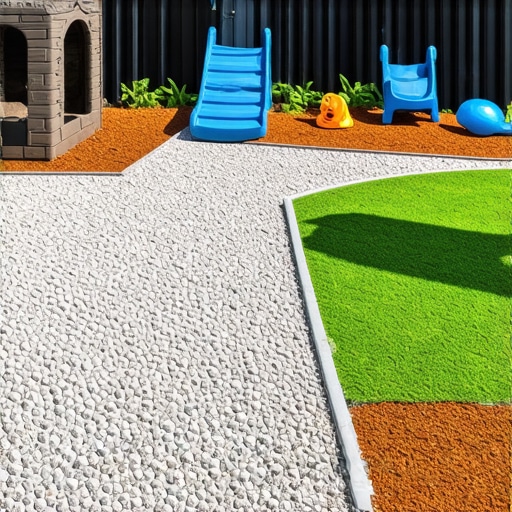
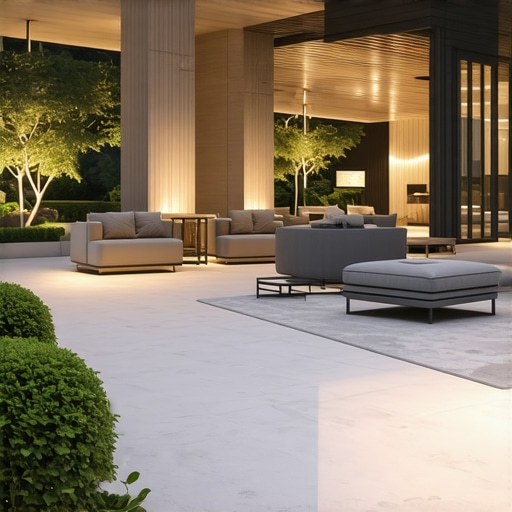
Achieving an expensive backyard look requires prioritizing sub-grade engineering and hydrostatic pressure management over surface aesthetics. High-end hardscaping utilizes a modified gravel base compacted to 98% Proctor density to prevent paver settlement or heaving, ensuring structural integrity and longevity. I recently got called out to tear up a $30,000 patio that was sinking because the previous contractor used stone dust as a primary base instead of a proper 21A or #57 crushed stone. Stone dust holds moisture, and in freeze-thaw cycles, that water expands and destroys the level of your pavers. It was a disaster. We had to excavate 12 inches of muck just to get to stable sub-soil. Don’t skip the geotextile fabric. It separates the sub-grade from your base material. Without it, your expensive stone just sinks into the clay. It will fail.
“A retaining wall doesn’t fail because of the stone; it fails because of the water trapped behind it.” – Hardscape Engineering Axiom
How much modified gravel do I need for a patio base?
For a standard pedestrian patio, you need a minimum of 6 inches of compacted 21A modified gravel. If the soil is heavy clay, increase that to 8 or 10 inches to ensure proper drainage and load distribution. Use a plate compactor every 2 inches of lift. If you don’t hear the tamper ‘ring’ off the stone, it isn’t compacted enough yet.
Strategic Horticultural Selection and Root Flare Integrity
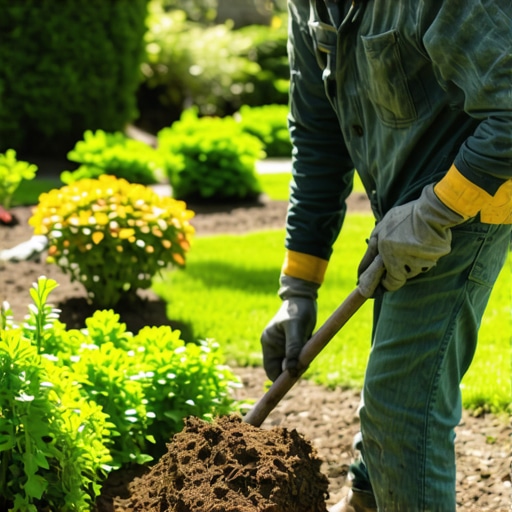
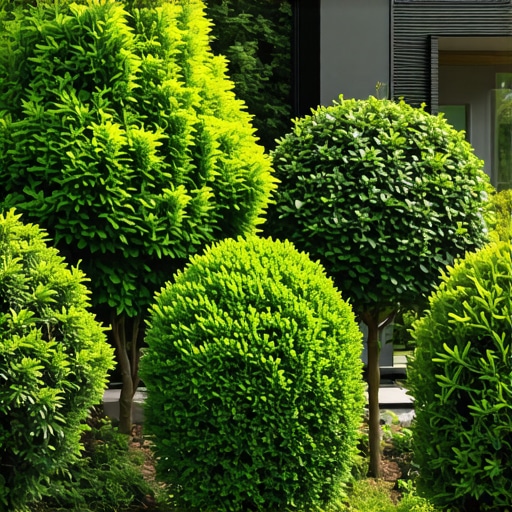
Expensive garden design relies on specimen-grade plant material and proper installation techniques like root flare exposure. Avoid mulch volcanoes and pot-bound nursery stock, focusing instead on native species that thrive in local USDA hardiness zones while providing structural density and year-round interest. I see too many ‘pros’ bury trees three inches too deep. This suffocates the secondary roots and causes stem girdling. Look for the flare. If the trunk looks like a telephone pole going into the ground, it’s wrong. You are essentially paying for expensive compost. High-end landscapes use multi-stemmed specimens or character trees like Japanese Maples or Stewartia that have been properly root-pruned in the nursery.
“Soil compaction is the most overlooked factor in plant mortality and hardscape failure.” – ISA Arborist Manual
[image_placeholder_1]
What is the best way to arrange plants in a high-end garden?
Use the principle of massing and layering. Grouping 7 to 9 of the same species creates a cohesive visual weight that looks intentional and costly. Layer by height: structural evergreens in the back, deciduous shrubs in the middle, and perennials in the foreground. This creates depth and architectural shadows.
Professional Lawn Care and Soil Microbiology
A high-end lawn is the result of precision soil chemistry and aeration protocols rather than over-fertilization. Focus on NPK ratios, soil pH levels between 6.2 and 7.0, and deep core aeration to manage the thatch layer and encourage microbial activity. Most homeowners dump high-nitrogen ‘step’ programs onto their grass without a soil test. This creates top-growth but weak roots. It’s a chemical treadmill. Real lawn care involves liquid humates and kelp to build the soil biology. If your soil is compacted, your roots can’t breathe. We target a 3-inch core depth during aeration to break up the surface tension.
| Material | Durability | Maintenance Level | Cost Factor |
|---|---|---|---|
| Natural Bluestone | High | Low | Premium |
| Concrete Pavers | Medium-High | Medium | Moderate |
| Pea Gravel | Medium | High | Budget |
| Travertine | High | Low | High-End |
Integrated Drainage and Site Grading
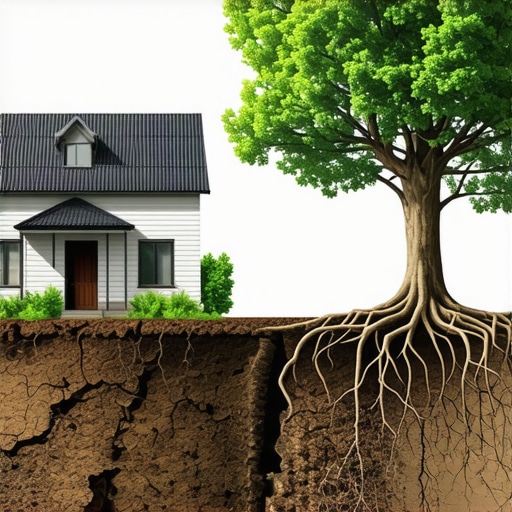
Effective landscaping requires positive surface drainage and underground water management to protect the home’s foundation and hardscape investments. High-end projects never rely on surface runoff alone; they utilize SDR-35 smooth-wall pipe and French drains to move water to a designated pop-up emitter or dry well. Corrugated pipe is for hacks. It clogs with silt and collapses under weight. Smooth-wall pipe allows for a 1% slope that actually clears debris. If your yard has a standing pool of water for more than 24 hours after a rain, your grading is failed. We use laser levels to ensure a minimum 2% pitch away from all structures. Do not skip this. Water is the universal solvent; it will find a way to ruin your masonry if you don’t control it.
Professional Grade Materials and Finishing Details
The difference between a DIY look and an expensive backyard is found in the finishing details such as polymeric sand joints and permanent edge restraints. Using natural stone edging instead of plastic bender board immediately signals quality and permanence to the eye. Polymeric sand is not just ‘sand’; it is a high-tech polymer that hardens to prevent weed growth and washout. It requires a bone-dry surface for installation and a precise misting sequence to activate the binders. If you over-wet it, you get a milky haze that ruins the stone. Precision matters.
- Excavate to a depth of at least 10 inches for walkways.
- Install 4-inch perforated pipe wrapped in a silt sock for drainage.
- Use only kiln-dried sand for paver joints.
- Apply a silane-siloxane sealer to natural stone to prevent salt pitting.
- Check soil pH before applying any lime or sulfur.