7 Fragrant Plants for a Sensory Backyard Experience
7 Fragrant Plants for a Sensory Backyard Experience
Planning a sensory backyard starts 12 inches below the surface, not at the garden center checkout line. Most homeowners treat garden design like interior decorating, picking plants based on a pretty picture, but if you don’t account for the soil microbiology and site drainage, those expensive aromatic cultivars will be dead by July. Success in landscaping is 80% preparation and 20% execution. You have to understand that scent is a chemical reaction—volatile organic compounds (VOCs) that require specific environmental triggers to release. If your soil pH is off or your drainage is sluggish, the plant is too stressed to produce those oils.
The Critical Role of Soil Grading in Planting Success
Proper soil grading and drainage are the structural foundation of a sensory garden, ensuring that root flares remain dry while moisture reaches the deeper rhizosphere. I always drill into my new crew members: if you don’t fix the soil grading first, every plant you put in the ground is just expensive compost. I remember a job in a high-density subdivision where the developer had compacted the ‘soil’—mostly red clay and construction debris—so hard it was basically concrete. The homeowner wanted a fragrant perimeter, but the water just sat there. We had to bring in a skid steer, rip the subgrade 18 inches deep, and install a French drain system tied into the municipal storm line before a single shrub was touched. Without that engineering, the Gardenia jasminoides they wanted would have succumbed to root rot in three weeks. Don’t skip the infrastructure. It is the only thing that lasts.
“A retaining wall doesn’t fail because of the stone; it fails because of the water trapped behind it.” – Hardscape Engineering Axiom
How much modified gravel do I need for a patio base?
To calculate modified gravel needs, multiply the square footage by the depth (standard 6 inches for patios), then divide by 27 to get cubic yards; add 20% for compaction. Use 2A modified stone to ensure hydrostatic pressure doesn’t heave your hardscaping and crush nearby root systems. Lawn care and planting require this same level of mathematical rigor. You aren’t just ‘digging a hole.’ You are creating a biological engine.
The Chemistry of Fragrance: 7 Mandatory Plants
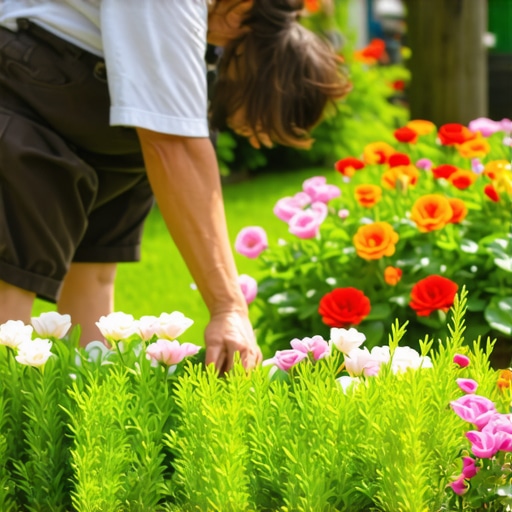
To maximize the sensory backyard experience, you must select plants with varying bloom cycles and VOC release triggers, ensuring landscape interest from early spring through the first frost. Garden design isn’t just about the visual; it is about the atmospheric load of the space. Below are the seven heavy hitters I specify for clients who want a high-performance aromatic environment.
1. Gardenia jasminoides (Cape Jasmine)
Gardenias are the gold standard of fragrance but are notorious for iron chlorosis if your soil pH climbs above 6.5. These are not ‘set and forget’ plants. They require a soil pH between 5.0 and 6.0 and consistent moisture. Use a drip-line irrigation system with 0.6 GPH emitters. It will rot if you use overhead sprayers. The root flare must be slightly above the soil line. Never bury the crown.
2. Lavandula angustifolia (English Lavender)
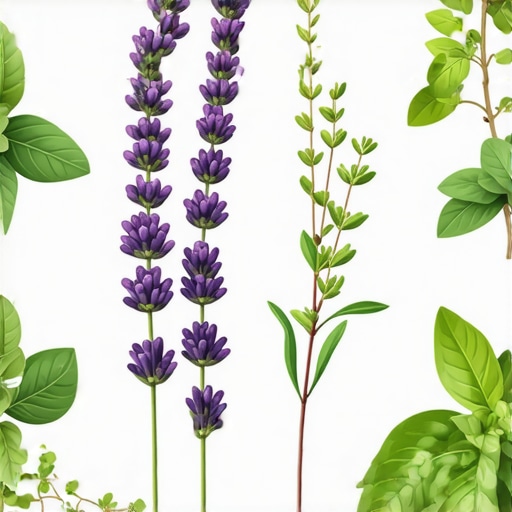
Lavender requires ‘lean’ soil and perfect drainage, often thriving in a hardscaping transition zone near stone walls where heat radiates at night. Most people kill it with kindness. It needs a calcareous soil profile. If you have heavy clay, you must amend with 3/4 inch clean stone—not sand, which creates a ‘bricks and mortar’ effect with clay. It needs UV exposure to trigger the oil glands. High humidity is the enemy here.
3. Osmanthus fragrans (Sweet Olive)
Sweet Olive is a structural workhorse that can be trained into a privacy screen while emitting a scent reminiscent of ripe apricots. It is hardy to USDA Zone 7 but needs protection from desiccating winter winds. Its volatile oils are most potent in the late afternoon. Space them at least 6 feet apart to allow for airflow. Stagnant air invites scale insects.
4. Syringa vulgaris (Common Lilac)
Lilacs are the heavy artillery of spring scent, but they are prone to powdery mildew if you don’t prune for air circulation. You need to perform ‘renewal pruning’—removing one-third of the oldest canes every year. This forces the plant to push new, more productive wood. They are alkaline-leaning, so a light application of garden lime in the fall is often necessary if you live in an acidic pine-heavy region.
5. Clematis armandii (Evergreen Clematis)
This is a vigorous vine that requires a heavy-duty trellis or hardscape structure to support its weight. It smells like vanilla and almonds. Unlike other Clematis, it is evergreen, but it is a ‘head in the sun, feet in the shade’ plant. Use a 2-inch layer of double-shredded hardwood mulch to keep the root zone cool. Do not use mulch volcanoes. Keep the mulch 3 inches away from the main stem.
6. Daphne odora (Winter Daphne)
Daphne is famous for ‘sudden death syndrome.’ It will look perfect one day and be dead the next because of Phytophthora. The key is oxygenation in the soil. Plant it in a raised bed or a berm. If the roots can’t breathe, the plant dies. The scent is a sharp, citrusy floral that cuts through the cold February air. It is worth the risk, but only if your grading is perfect.
7. Rosa rugosa (Beach Rose)
For a low-maintenance aromatic option, the Rugosa rose is nearly bulletproof. It is highly resistant to the black spot fungus that plagues hybrid tea roses. It thrives in sandy loam and is salt-tolerant, making it ideal for coastal landscaping. The hips provide winter interest and food for birds. It is a functional, rugged plant that doesn’t require a chemical spray schedule.
Technical Specifications and Maintenance Data
Proper landscape management requires a data-driven approach to inputs. Refer to the table below for the specific chemical and environmental requirements for these species. Lawn care around these beds should avoid broadleaf herbicides that can drift and cause epinasty (curling) in the sensitive foliage of these shrubs.
| Plant Species | Optimal pH Range | Watering Frequency | Sun Exposure | Key Nutrient Requirement |
|---|---|---|---|---|
| Gardenia | 5.0 – 6.0 | High (Drip) | Full to Part Sun | Chelated Iron |
| Lavender | 6.5 – 7.5 | Low | Full Sun | Minimal / Low Nitrogen |
| Osmanthus | 6.0 – 7.0 | Moderate | Full Sun | Balanced 10-10-10 |
| Daphne | 5.5 – 7.0 | Low (Critical) | Part Shade | Well-aerated compost |
What are the most fragrant low-maintenance plants?
The Rosa rugosa and Osmanthus are the highest-performing low-maintenance options for garden design. They require minimal pruning and have broad environmental tolerances. Avoid Daphne if you are not prepared to monitor soil moisture daily during the first year of installation.
“Soil health is the primary driver of plant secondary metabolites, including the essential oils responsible for floral fragrance.” – Agronomy Extension Manual
The Installation Checklist: Ground-Up Build
Follow this checklist to ensure your landscaping project survives the first freeze/thaw cycle and the summer heat. Hardscaping elements should be installed before planting to prevent soil compaction in the new beds.
- 811 Call: Mark all underground utilities before excavating.
- Soil Test: Send samples to a local agricultural extension to check NPK and pH levels.
- Subgrade Prep: Scarify the soil to 12 inches to break up the plow pan.
- Drip Irrigation: Install poly tubing with pressure-compensating emitters.
- Planting Depth: Ensure the root flare is visible; do not bury the ‘knees’ of the plant.
- Mulching: Apply 2-3 inches of organic matter, avoiding the stems.
- Initial Saturation: Hand-water to settle the soil and eliminate air pockets.
The first year is the ‘settling in’ period. You will see more root development than top growth. This is normal. If you see leaf drop, check the soil moisture with a probe, not your eyes. Visual inspection is often lying to you. A plant can wilt because it is too wet just as easily as it can because it is too dry. Trust the tensiometer. By year three, the sensory backyard will reach its peak aromatic density, provided you don’t let a ‘mow-and-blow’ crew scalp the lawn or spray glyphosate near your rhizospheres. Test the soil. Watch the water. Grow something that actually smells like nature, not a car air freshener.