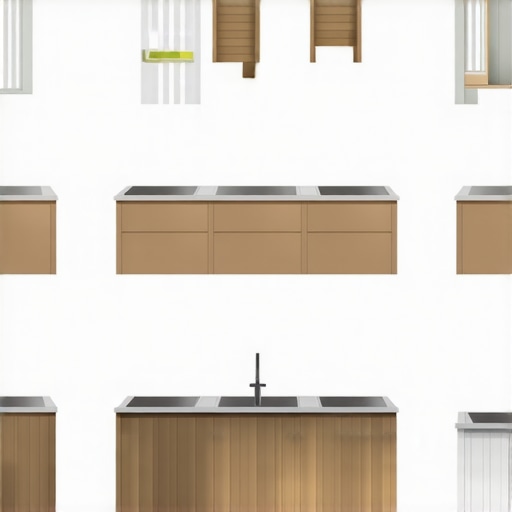
Picture this: you’re finally ready to revamp your tiny backyard, dreaming of a sleek outdoor kitchen that feels spacious and functional. But when you start planning, chaos ensues—every layout seems cramped, and your ideas quickly spiral into frustration. I remember the lightbulb moment when I realized I had been trying to fit a mansion’s kitchen into a shoebox. It was a disaster that made me question if small yards could ever hold a proper outdoor kitchen.
Transform Small Spaces Without Sacrificing Style or Functionality
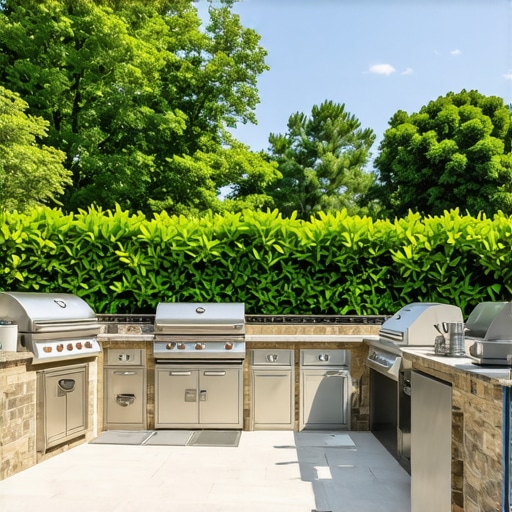
After some trial and error—and a few missteps—I discovered that smart, modular designs are game-changers for limited backyard real estate. Today, I want to share how choosing the right layout can turn your tiny backyard into a culinary oasis. No more cramped counters or cluttered corners. With the right approach, small outdoor kitchens can be both charming and efficient, offering everything you need without feeling crowded. Whether you’re an aspiring grill master or just want a cozy spot to enjoy summer evenings, these layouts will help you optimize every inch of your space.
Is Bigger Always Better? My Early Mistake
I used to think sprawling was the way to go—more space, more features. Turns out, that was a mistake. Overestimating the available area led me to create layouts that were impractical and hard to navigate. It wasn’t until I studied successful small yard designs—and learned from experts—that I realized the importance of modular and flexible solutions. For inspiration, check out how innovative backyard hardscaping ideas can transform your space, like modern hardscaping trends. Learning from these experts has saved me from costly mistakes and helped me craft backyard kitchens that feel open yet cozy. So if you’ve ever faced the dilemma of making a small outdoor space work, you’re not alone—and the solutions are simpler than you think.
Prioritize Compact and Modular Designs
Start by visualizing your space as a puzzle. I once attempted to fit a full-size grill, mini fridge, and prep station into a 6×8-foot area. It was chaotic—counters cluttered and movement restricted. Instead, I shifted to modular components like stackable cabinets and fold-down counters. This approach allowed me to customize the layout, making it feel open and functional. Think of your outdoor kitchen as a set of building blocks—you can assemble, disassemble, and reconfigure as needed. For ideas on selecting space-efficient elements, explore recycled materials that can double as stylish and space-saving options.
Implement Strategic Zoning for Functionality
Delineate zones for cooking, prep, and cleanup—much like a well-organized kitchen inside a compact apartment. I used temporary paint lines to mark zones during my project, which helped me imagine traffic flow. Position your grill, prep table, and storage to minimize walking distances. Imagine each zone as a workstation in a commercial kitchen—efficiency is king. To improve drainage and prevent water pooling, consider installing patio drainage solutions that keep your space dry and safe.
Choose Slim and Dual-Purpose Furniture
Furniture is often the largest obstacle in small layouts. I replaced bulky tables with narrow, extendable tables that double as prep stations. Benches with hidden storage provided seating and helped keep clutter out of sight. Think of furniture as multi-taskers—each piece should serve more than one purpose. For visual impact and durability, opt for recycled materials that are both eco-friendly and sleek. When selecting these items, consider how easily they can be moved or stowed to adapt to different occasions or weather changes.
Leverage Vertical Space Effectively
Vertical gardening and wall-mounted storage can reclaim bench space. I installed open shelves above my prep area to keep utensils and condiments within arm’s reach. A hanging herb garden added freshness and visual interest. Think of your vertical surfaces as an extra set of hands—use them wisely. For tips on creating beautiful garden features that don’t encroach on your main cooking zone, check out landscape design tricks that maximize small areas.
Optimize Accessibility and Traffic Flow
Ensuring easy movement is essential. I learned this the hard way when I placed the sink too close to the cooking zone, causing congestion. By stepping back and mentally simulating the flow, I created clear pathways that facilitate smooth movement. Think of your outdoor kitchen as a dance floor—you want enough space for everyone to move comfortably. To prevent future issues, consider space-efficient layouts that keep traffic steady and unimpeded.
Many homeowners believe that creating a lush, sustainable garden or a beautiful landscape is simply about choosing the right plants or installing decorative features. However, in my experience, there’s a wealth of misconceptions that can lead to costly mistakes and subpar results. For instance, a prevalent myth is that more fertilizer always equals healthier plants. But in reality, over-fertilization can cause nutrient runoff and damage your soil’s natural balance. Experts, like those cited in studies on soil health, emphasize the importance of understanding your soil’s specific needs before adding chemicals or fertilizers, which can be a game-changer for sustainable lawn care.
Another common error is assuming every garden requires extensive watering or complex irrigation systems. In fact, many professionals advocate for passive watering techniques such as mulching and drought-tolerant plants, especially in arid regions. These approaches not only save water but also encourage plant resilience. For example, proper soil aeration, which can be achieved through simple tactics like core aeration, significantly boosts water retention and root growth. To learn more about improving your soil’s condition, check out aeration strategies for your lawn.
One of the most insidious misconceptions involves hardscaping materials. Many think that all pavers or stones are equally durable and eco-friendly. On the contrary, selecting permeable pavers and eco-conscious materials can dramatically reduce runoff and provide long-term benefits, especially when properly installed. For example, mistakes like improper drainage setup or using non-permeable materials can lead to issues like erosion or standing water—problems that are surprisingly common but often avoidable with proper planning. Experts recommend consulting modern hardscaping ideas, as outlined in latest hardscaping trends, to ensure your landscape withstands weather and time.
Finally, many enthusiasts overlook the importance of landscape design nuances. For instance, positioning trees and shrubs haphazardly can shade areas you’d prefer sunlit or block views you’d like to enjoy. Strategic placement and layering are crucial, and integrating vertical gardens or well-placed hardscapes can optimize space and aesthetic appeal. This is where expert landscape design tips come into play, helping you create a harmonious balance between beauty and function.
Have you ever fallen into this trap? Let me know in the comments.
How do I maintain my landscape tools and equipment over time?
Maintaining your landscaping tools is essential to ensure their longevity and performance. I personally swear by using cordless electric trimmers for ease of use and reduced noise compared to gas-powered models. Regularly sharpening blades with a diamond sharpening stone keeps cuts clean and makes trimming work effortless. For lawn aeration, I rely on core aerators that I rent seasonally; they help prevent the dreaded spongy grass and promote healthy root growth. To keep your equipment in top shape, always clean debris after each use, lubricate moving parts periodically, and store tools in a dry, organized space—this simple routine extends their lifespan and ensures peak performance for years.
Additionally, investing in quality storage solutions like wall-mounted tool racks or weather-resistant sheds minimizes clutter and rust. In the future, I expect smart tools with integrated sensors and Bluetooth connectivity to revolutionize maintenance routines, alerting you when a tool needs sharpening or oiling. Staying ahead of these trends will help you keep your landscape impeccable without the hassle.
What are the best tools for long-term garden and hardscape maintenance?
Personally, I recommend a high-quality garden pruning set with ratcheting blades for precise cuts that promote plant health. For hardscaping, a durable mortar float and jointing tool are indispensable for repairing and maintaining retaining walls and paved surfaces. Pair these with a compact pressure washer to clean outdoor surfaces effectively—I’ve found this combination invaluable for maintaining patios and walkways. Selecting tools based on quality over price ensures durability and better results over time.
Looking ahead, automation in garden maintenance, such as robotic mowers and autonomous tillers, is gaining momentum. Adopting these technologies early can save you countless hours and keep your landscape looking pristine with minimal effort.
Scaling and Long-Term Results Require Consistency
Consistency in maintenance routines, paired with the right tools, guarantees your landscape’s health and appeal over the years. Regularly scheduled tasks like aeration, pruning, and cleaning prevent big problems down the line and preserve your investment. Remember, smart tool choices and maintenance habits not only save money but also reduce environmental impact. For example, switching to eco-friendly, rechargeable tools minimizes emissions and waste.
Lessons I Didn’t Expect Small Spaces to Teach
One of the biggest surprises was realizing that less truly can be more—by embracing modular, multi-functional design, I avoided clutter and created a space that felt expansive despite its size. I’ve learned that strategic zoning and vertical storage not only maximize visual appeal but also streamline workflow, making cooking outdoors a delight rather than a chore. The misconception that size equals functionality often led me astray; instead, thoughtful placement and smart furniture have been game-changers. These insights have transformed my understanding of backyard potential, proving that a well-designed small outdoor kitchen can be both beautiful and highly functional.
Resources That Elevated My Design Game
For continuous inspiration and practical advice, I turn to books like Landscape Design Tips, which offers innovative ideas to elevate outdoor spaces. I’ve relied on tools like permeable paver guides to improve drainage and prevent water issues, crucial for small patios. Additionally, recycled materials resources have helped me craft eco-friendly, cost-effective solutions that don’t sacrifice style. These carefully curated references keep my outdoor vision both achievable and inspiring.
Your Next Step in Creating a Cozy Oasis
Remember, even a small backyard can evolve into a stunning outdoor kitchen with the right mindset and strategy. Everyone’s space is unique, and your creative touches can turn limited real estate into a personal retreat. Don’t let misconceptions hold you back—start with a plan, embrace modular ideas, and let your own outdoor sanctuary blossom. The journey is as rewarding as the destination, so go ahead—your tiny backyard is waiting for its transformation.
![3 Hidden Reasons Your 2026 Deck is Warping [and How to Fix It]](https://lawnmajesty.com/wp-content/uploads/2026/02/3-Hidden-Reasons-Your-2026-Deck-is-Warping-and-How-to-Fix-It.jpeg)