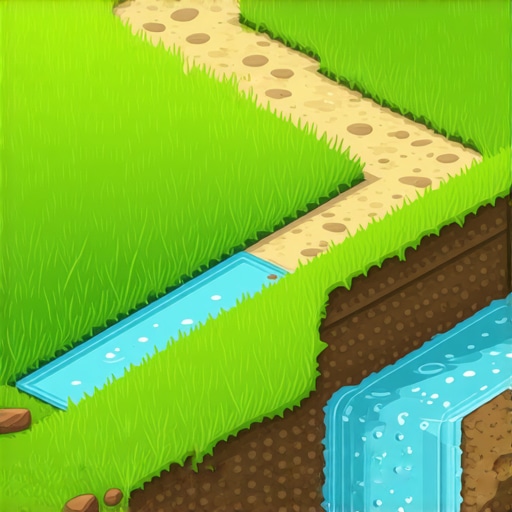
4 Backyard Drainage Moves to Stop Basement Flooding
The Anatomy of a Sinking Foundation: Why Surface Water Wins
You smell it before you see it: that damp, earthy rot wafting up from the floorboards. Then you see the white, powdery efflorescence on the cinder blocks or the hairline fractures spiderwebbing across the basement walls. This isn’t a plumbing leak; it is a structural failure caused by poor hardscaping and landscape design. I recently got called out to tear up a $30,000 patio that was sinking because the previous contractor ignored the 2% slope rule and failed to address the hydrostatic pressure building up behind a decorative retaining wall. Water was pooling against the foundation, turning the backfilled soil into a heavy, hydraulic ram that eventually forced moisture through the concrete. It was a mess. Fixing it meant excavating four feet down, replacing the base, and installing a real drainage system. Don’t let your yard become a liability. To stop basement flooding, you have to control the gravity and permeability of your soil.
“A retaining wall doesn’t fail because of the stone; it fails because of the water trapped behind it.” – Hardscape Engineering Axiom
Move 1: Engineering the Positive Grade
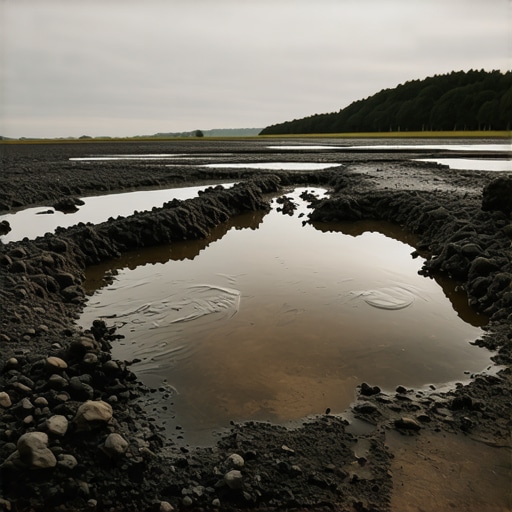
Proper grading involves sloping the soil away from your foundation at a minimum of 6 inches over the first 10 feet to ensure surface runoff flows toward designated drainage zones. Most homeowners think their yard looks flat, but flat is a death sentence for a basement. You need a positive slope. In areas with heavy clay soil, water cannot permeate the surface fast enough, leading to ponding. By utilizing a laser level, we ensure the grade forces water away from the structure. If you have a negative grade, you aren’t just inviting moisture; you are actively flooding your own home. Dig it out. Replace it with compacted structural fill. It must be done right.
How do I calculate the slope for my yard drainage?
To calculate drainage slope, divide the total vertical drop by the horizontal distance; for effective basement protection, you need at least a 2% grade, which translates to a quarter-inch drop per foot of distance from the foundation. Use a string line and a line level to verify. Anything less and the water will sit. It will rot your sills. It will mold your drywall. Do not guess on this measurement.
Move 2: The French Drain Subsurface System
A French drain is a trench filled with perforated pipe and 1.5-inch clean crushed stone that intercepts subsurface water and redirects it away from the foundation. This isn’t just a ditch. You must wrap the entire stone envelope in non-woven geotextile fabric. If you don’t, silt will infiltrate the stone, clog the pipe, and your $5,000 investment becomes a buried tube of mud. We use ASTM D2321 standards for installation. The pipe should be placed with the holes facing down—not up. This allows the water table to rise into the pipe and be carried away before it reaches the basement wall. It’s physics, not magic.
“Soil compaction is the enemy of infiltration; a 10% increase in bulk density can reduce water movement by up to 50%.” – University of Maryland Extension Service
Move 3: Strategic Swales and Dry Creek Beds
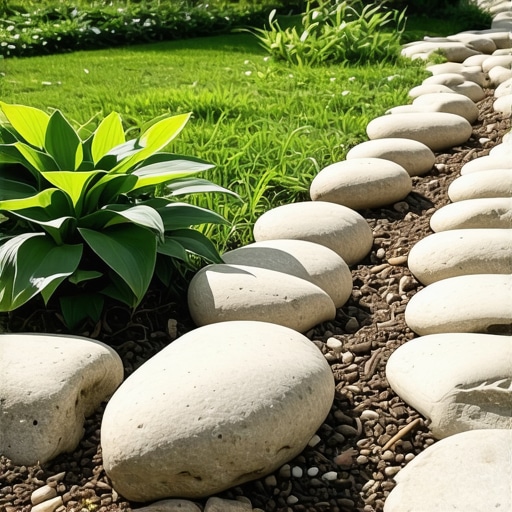
Swales are shallow, vegetated channels designed to slow down and direct large volumes of stormwater runoff toward a rain garden or municipal drain. Think of it as a natural highway for water. Instead of a concrete pipe, we use river rock and deep-rooted native plants to stabilize the soil. This integrates garden design with civil engineering. In heavy rain events, a well-placed swale prevents the yard from turning into a swamp. You must ensure the swale terminates in a safe location—not your neighbor’s driveway. Use various sizes of stone, from 2-inch to 6-inch riprap, to create a natural look that handles high-velocity flow without eroding the lawn care efforts you’ve put in.
| Material Type | Infiltration Rate | Primary Use Case |
|---|---|---|
| Clean 57 Stone | Very High | French drain cores, retaining wall backfill |
| Sandy Loam | Moderate | General grading and lawn base |
| Compacted Clay | Low | Impermeable caps to shed water away |
| River Rock (Cobble) | High | Swales and dry creek bed surfacing |
Move 4: Hardscape Management and Hydrostatic Pressure Relief
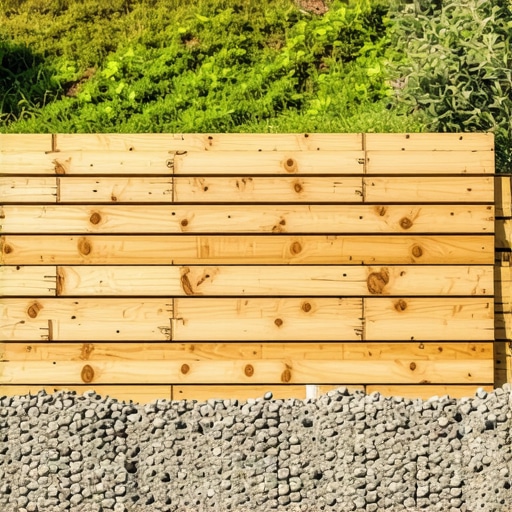
Hardscaping elements like patios and walkways must be designed with permeable joints or integrated channel drains to prevent water from damming against the house. When we install a paver patio, we use a modified gravel base (CA-6 or 3/4″ minus) compacted in 2-inch lifts. If that patio is next to the house, it must pitch away. If there is a wall involved, weep holes are mandatory. Without them, the hydrostatic pressure of the saturated soil will eventually push the wall over or force water into your basement. This is where most DIYers fail. They build a wall that looks pretty but acts like a dam. Stop doing that. Use 4-inch corrugated pipe behind the wall and vent it to daylight.
How much modified gravel do I need for a patio base?
For a standard paver patio, you need a minimum 6-inch base of compacted modified gravel, which means you should order roughly 1 ton of gravel for every 50 square feet of patio area to ensure structural stability and proper drainage. Don’t skip the compaction. Use a plate compactor until the machine bounces. That is the only way to ensure it won’t settle in three years.
The Pre-Season Drainage Checklist
- Inspect downspout extensions: Ensure they discharge at least 10 feet from the foundation.
- Clear debris from swales: Remove leaves and mulch that block water flow.
- Check sump pump discharge: Verify the water isn’t just cycling back toward the house.
- Observe surface pooling: Identify low spots after a 1-inch rain event for future grading.
- Monitor retaining wall weep holes: Ensure they aren’t clogged with soil or roots.
Landscape management is an ongoing battle against gravity and water. If you ignore the soil biology and the physics of drainage, nature will eventually reclaim your basement. Start with the grade, manage the subsurface, and ensure your hardscaping is an asset, not a liability. Do the work once, and do it right.