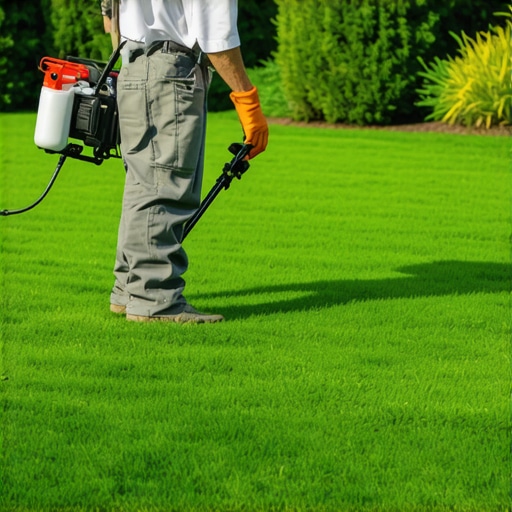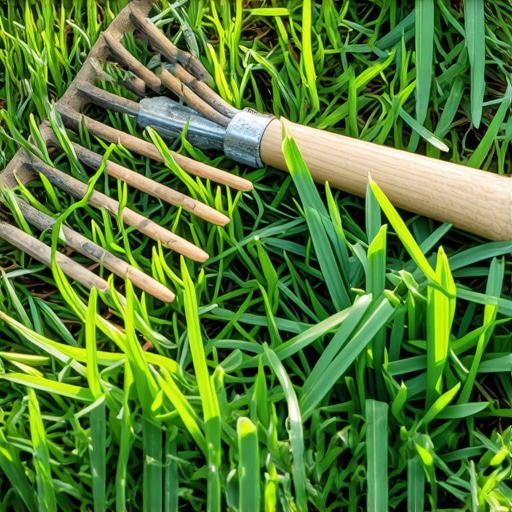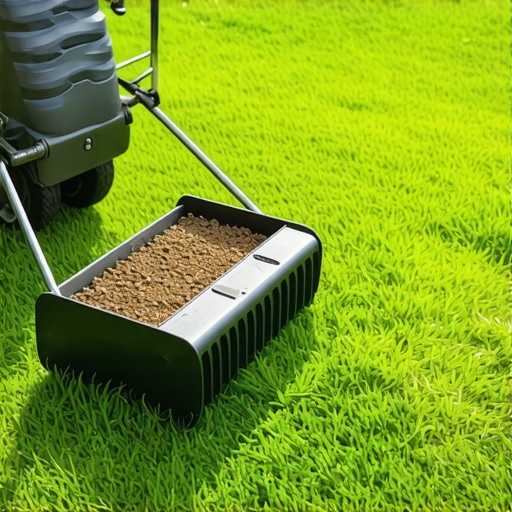
Fix 2026 Patchy Fescue with This $50 Slit Seeder
The Anatomy of a Dying Lawn: Why Your Fescue Looks Like a Checkerboard
Patchy Fescue lawns fail because Tall Fescue is a bunch-type grass that lacks the rhizomes or stolons necessary to creep and fill bare spots. To repair a thinning lawn, you must mechanically integrate seed into the soil using a slit seeder to ensure 1/8-inch seed-to-soil contact during the fall germination window.
I’ve spent two decades staring at dirt. I always drill into my new crew members: if you don’t fix the soil grading and compaction first, every plant you put in the ground is just expensive compost. Last year, I watched a greenhorn try to ‘fix’ a client’s yard in Charlotte by simply broadcasting seed over hard-packed red clay. Three weeks later, after one heavy rain, all that expensive turf-type tall fescue (TTTF) was sitting in the gutter at the end of the driveway. He didn’t understand that Fescue is a loner grass. It doesn’t have brothers and sisters to hold hands with under the soil. If there is a hole in your lawn, it stays a hole until you physically put a seed in it and make sure it has the mechanical leverage to sprout. You don’t need a $10,000 hydroseeder for this. A $50 rental of a manual or walk-behind slit seeder is the equalizer that separates professional results from DIY frustration.
The Biological Failure of Broadcast Seeding
Most homeowners treat grass seed like fairy dust. They throw it on the ground and hope for magic. In the world of agronomy, this is known as a low-probability event. Tall Fescue (Festuca arundinacea) requires a specific set of conditions to break dormancy. When you broadcast seed on top of a thatch layer, the seed is suspended in a dry, organic mat. It never touches the mineral soil. Without that contact, the seed cannot absorb the hydraulic pressure needed to rupture the hull. A slit seeder, or verticutting seeder, uses vertical carbide-tipped blades to slice through that thatch and create a micro-trench in the soil. It’s surgical. You are placing the seed in a protected vault where moisture is consistent and the root can immediately find purchase in the soil matrix.
“A successful turf establishment is 90 percent preparation and 10 percent germination. Without proper seed-to-soil contact, even the highest-rated NTEP cultivars will fail to establish a viable root system.” – Turfgrass Extension Manual
How the $50 Slit Seeder Changes the Equation
The term ‘slit seeder’ often refers to a power-operated machine, but for smaller patches, a manual heavy-duty slicer or a half-day rental of a motorized unit is the most cost-effective path. This tool does three things simultaneously: it thins out the thatch layer, it aerates the top quarter-inch of the A-horizon soil layer, and it drops the seed into the furrow. This isn’t about aesthetics; it’s about engineering a survival environment. Fescue roots can go three feet deep if the soil is right, but they won’t get past the first inch if you have surface compaction. You need to break that surface tension. Stop buying ‘Patch and Repair’ mixes that are 80 percent mulch and green dye. Spend that money on a rental and high-quality, blue-tag certified seed.
Soil Chemistry and the 2026 Preparation
Before you even touch the seeder, you need to understand the cation exchange capacity (CEC) of your soil. Fescue thrives in a pH range of 6.0 to 7.0. If your soil is sitting at a 5.2, you are wasting every bag of nitrogen you spread. The nutrients become chemically locked in the soil and the grass literally starves while sitting in a buffet. Get a soil test. If you need lime, put it down now. The 2026 growing season starts with the soil chemistry you build today. Use a starter fertilizer with a high middle number (Phosphorus) to encourage root branching. Phosphorus doesn’t move well in soil, so the slit seeder is the perfect delivery vehicle to get it down into the root zone where it belongs.
| Seeding Method | Seed-to-Soil Contact | Germination Rate | Equipment Cost |
|---|---|---|---|
| Broadcast Spreading | Poor (15-20%) | Low | $20 – $40 |
| Core Aeration + Overseed | Moderate (50-60%) | Medium | $80 – $150 |
| Slit Seeding | Excellent (85-90%) | High | $50 – $100 |
Step-by-Step Slit Seeding Protocol
Don’t just pull the cord and go. Follow this mechanical sequence. First, mow your existing grass as low as your mower allows without scalping the crown (about 1.5 inches). This reduces competition for sunlight. Second, flag your irrigation heads and utility lines. Third, run the slit seeder in a cross-hatch pattern. If you go north-to-south, follow it up with an east-to-west pass. This ensures you aren’t leaving ‘corn rows’ in your lawn. You want a dense, knit carpet, not a vegetable garden. Fourth, keep the soil moist. Not soaked, moist. Water for 10 minutes, three times a day, for the first 14 days. If the seed dries out once after it has cracked, it’s dead. There are no second chances in embryonic plant growth.
“Compaction is the hidden killer of urban turf. When pore space is collapsed by foot traffic or heavy clay, oxygen cannot reach the rhizosphere, leading to anaerobic conditions and root rot.” – Penn State Center for Turfgrass Science
How much seed do I need for a Fescue overseed?
For an existing lawn that is just thinning, aim for 4 to 6 pounds of TTTF seed per 1,000 square feet. If you are dealing with bare dirt, you need to bump that to 8 to 10 pounds. Do not exceed this. If you put too much seed down, the seedlings will compete with each other for space and nitrogen, leading to a massive damping-off fungus outbreak that will wipe out your hard work in a single humid weekend.
Is Fescue better than Kentucky Bluegrass for shade?
Tall Fescue is significantly more shade-tolerant than Kentucky Bluegrass, but it still requires at least 4 to 6 hours of filtered sunlight. In deep shade, even the best slit-seeding job will fail. You cannot fight biology. If you have heavy canopy cover, you need to prune your trees to allow solar penetration or switch to a fine fescue blend. Fescue is a workhorse, but it isn’t a miracle worker.
The Post-Seeding Maintenance Grind
Once you see the green haze of new growth, don’t stop. The first 60 days are critical. Avoid using any pre-emergent herbicides (like crabgrass preventer) for at least three mowings. These chemicals don’t know the difference between a weed seed and your new Fescue seed; they will kill both. Your goal is root depth. By the time the 2026 summer heat hits, those roots need to be deep enough to access the sub-soil moisture. If you’ve used the slit seeder correctly, those roots are already starting 1/4 inch deeper than they would have otherwise. That 1/4 inch is the difference between a dormant lawn and a dead one during a July heatwave.
- Checklist for Slit Seeding Success:
- Test soil pH and adjust to 6.5.
- Mow existing turf to 1.5 inches.
- Calibrate the slit seeder to 1/8 to 1/4 inch depth.
- Use a 50/50 cross-hatch pass pattern.
- Apply Phosphorus-heavy starter fertilizer.
- Maintain consistent surface moisture for 21 days.
- Wait for three mowings before applying weed control.
It will rot if you leave it in standing water, so check your drainage. Fescue doesn’t like wet feet. If your yard has a low spot where water pools for more than 12 hours, a slit seeder won’t help you until you install a French drain or regrade the area. Landscaping is physics. You have to move the water before you can grow the grass. Stick to the science, use the right tools, and stop looking for shortcuts. Your lawn is a living organism; treat it with the engineering respect it deserves.
![5 2026 Drought-Proof Grass Alternatives [Tested]](https://lawnmajesty.com/wp-content/uploads/2026/06/5-2026-Drought-Proof-Grass-Alternatives-Tested.jpeg)
![Stop 2026 Grass Growth in Your Paver Patios [Fix]](https://lawnmajesty.com/wp-content/uploads/2026/07/Stop-2026-Grass-Growth-in-Your-Paver-Patios-Fix.jpeg)