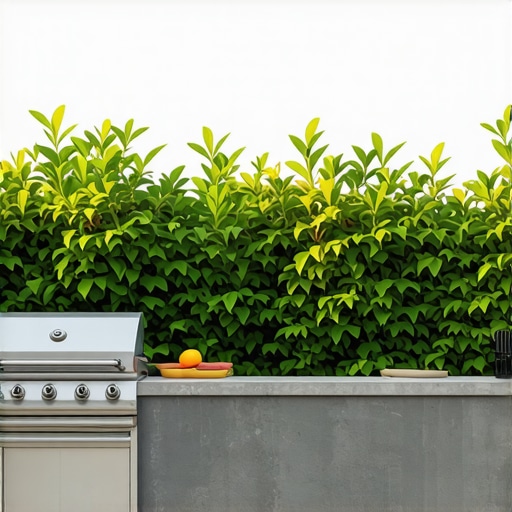
5 Tips for Designing an Outdoor Kitchen on a Budget
The Hardscape Autopsy: Why Most Budget Kitchens Fail
I recently got called out to tear up a $30,000 patio that was sinking because the previous contractor failed to account for hydrostatic pressure and simple soil mechanics. The homeowner thought they were saving money on the base layer. Instead, they bought a one-way ticket to a structural collapse. When you design an outdoor kitchen on a budget, your biggest enemy isn’t the price of the grill; it’s the dirt beneath it. Landscaping and hardscaping are not just cosmetic; they are civil engineering projects on a micro-scale. If you ignore the compaction rates or soil pH, your investment will literally sink into the ground. Don’t be that homeowner. Real garden design starts with a transit level and a shovel, not a catalog.
1. Master the Base Layer and Soil Compaction First
To design an outdoor kitchen on a budget, you must first calculate slope and drainage requirements to prevent water pooling or foundation shift. Professional hardscaping requires a 4-inch to 6-inch compacted 21A or 57-stone base to handle the dead load of kitchen equipment and masonry. Most DIYers think a bit of hand-tamping is enough. It isn’t. You need a gas-powered plate compactor. The tamper should literally bounce off the ground once you’ve reached the necessary Proctor density. If the ground feels soft, your kitchen will move. It’s that simple.
“A retaining wall doesn’t fail because of the stone; it fails because of the water trapped behind it.” – Hardscape Engineering Axiom
We focus on a 2% grade. That is a 1/4-inch drop per linear foot. Anything less and you’re inviting moss, algae, and structural decay into your lawn care zones.
2. Utilize Modular Steel Frames Over Custom Masonry
Modular outdoor kitchen kits offer the best budget-to-durability ratio because they eliminate the intensive labor costs of custom stone-and-mortar masonry. These units are often pre-engineered to meet specific weight loads, ensuring the structural integrity of your garden design without expensive engineering fees. Custom masonry requires a skilled mason—someone who understands thermal expansion and mortar ratios. That costs money. A galvanized steel frame system can be assembled in a day. It won’t rot like pressure-treated wood. Wood near a 15,000 BTU burner is a fire hazard and a rot magnet. Use steel. It stays square. It stays level. It lasts.
How much does a DIY outdoor kitchen cost?
A basic DIY outdoor kitchen using modular steel frames and 304-grade stainless steel components typically costs between $3,000 and $7,000, depending on the length of utility runs and the chosen countertop material. Labor savings from self-installation account for nearly 50% of this budget reduction compared to professional custom builds.
3. Strategize Utility Siting to Minimize Trenching
Positioning your kitchen near the house main lines minimizes trenching depth and material expenses for gas, water, and electricity. Deep trenching through established landscaping or lawn care areas increases restoration costs; keeping runs under 10 feet typically saves thousands in labor and copper piping. Always call 811 before you dig. I’ve seen guys hit lateral sewer lines because they wanted to save $50 on a permit. It’s a mess. Keep your plumbing simple. A cold-water-only line is significantly cheaper than running a hot water return. If you’re on a tight budget, use a 20lb propane tank instead of a hard-piped natural gas line. It saves you the gas fitter’s fee and the 18-inch deep trench required by most municipal codes.
4. Selection of High-Performance Wear Materials
Budget kitchen design often fails when owners choose aesthetics over 304-grade stainless steel components. In outdoor environments, cheaper 430-grade steel will oxidize and pit within two seasons. Focus your investment on weather-resistant hardware that withstands local humidity and UV exposure rather than decorative veneers. For countertops, skip the marble. It’s too porous for the garden design environment. Go with honed granite or even a high-PSI pre-cast concrete.
| Material | Est. Cost/Sq Ft | Durability Rating | Maintenance Level |
|---|---|---|---|
| Poured Concrete | $15-$25 | High | Seal Every 2 Years |
| Honed Granite | $45-$90 | Extreme | Very Low |
| Porcelain Paver | $10-$20 | Medium-High | Low |
| Pressure Treated Wood | $5-$12 | Low | High / Rot Risk |
“Soil compaction is the single most important factor in long-term pavement performance.” – ICPI Tech Spec Number 2
Do I need a permit for an outdoor kitchen?
In most jurisdictions, an outdoor kitchen requires permits if you are extending electrical circuits, installing permanent gas lines, or adding a roof structure. Simple portable islands or those using existing outdoor outlets may not require formal approval, but always check local HOA and municipal zoning codes first.
5. Integrate Biological Infrastructure for Longevity
Use native landscaping around your outdoor kitchen to manage runoff and provide natural cooling. Strategic garden design utilizing deep-rooted perennials prevents soil erosion near the slab edge, maintaining the structural stability of your hardscape against freeze-thaw cycles and heavy rain. Don’t plant right up against the stone. Roots expand. They apply lateral pressure. Leave a 12-inch buffer zone filled with river rock or clean 57-stone to allow for drainage. If you’re worried about lawn care, keep the mower edge clean by installing a heavy-duty steel or aluminum landscape edging. This prevents turf grass from creeping into your kitchen footings and causing moisture retention issues.
- Call 811 to mark all underground utility lines.
- Excavate the area to a minimum depth of 8 inches.
- Install a non-woven geotextile fabric to separate subgrade from base.
- Lay 6 inches of 21A modified gravel in 2-inch lifts, compacting each.
- Set your modular frames and check for level across all axes.
- Install 304-grade stainless steel appliances to prevent rust.
- Seal all stone surfaces with a high-quality silane-siloxane sealer.
The first year is the settling period. You will see minor hairline cracks in mortar if you went the masonry route—that’s normal. What isn’t normal is a 1-inch gap. If you followed the compaction rules, your kitchen won’t budge. Keep your gutters clean; a waterfall of roof runoff hitting your new kitchen is the fastest way to undermine the base. Maintenance is a non-negotiable part of the landscaping lifecycle. Respect the engineering, and the kitchen will serve you for decades.
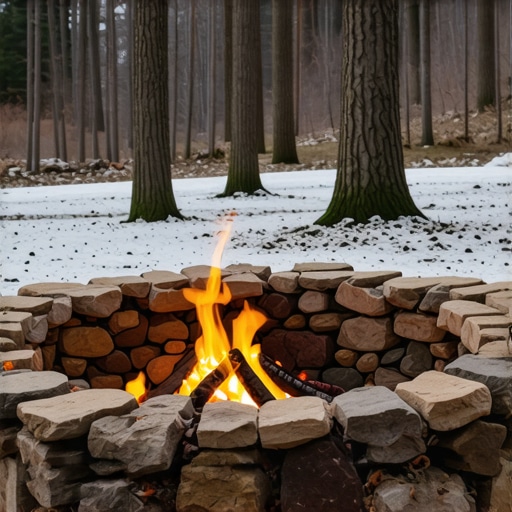
![Build a $400 Flagstone Fire Pit [2026 Guide]](https://lawnmajesty.com/wp-content/uploads/2026/06/Build-a-400-Flagstone-Fire-Pit-2026-Guide.jpeg)