How to Clean 2026 Patio Moss Without Harsh Chemicals
The Forensic Autopsy of a Failing Patio
Moss is not a decoration; it is a bio-indicator of structural neglect. I recently got called out to tear up a $30,000 patio that was sinking because the previous contractor ignored the sub-surface drainage requirements. The homeowners thought the thick green carpet between their pavers was charming until their expensive travertine began to heave and crack. Upon excavation, I found a saturated, anaerobic mess. The moss had acted like a sponge, holding moisture against the stone, accelerating the freeze-thaw cycles that eventually shattered the base compaction. The previous installer skipped the drainage layer. Now, the owners are paying me twice to do the job once. If you see moss, you are looking at a drainage or pH failure in progress. It will rot your investment.
Why Moss Colonizes Your Hardscaping
Patio moss growth occurs when moisture, shade, and low pH levels create an ideal environment for bryophytes to thrive in paver joints. To eliminate it without chemicals, you must disrupt the capillary action of the soil and increase the alkalinity of the surface using mechanical or thermal methods. Moss lacks true roots, relying on rhizoids to anchor to porous surfaces, making physical extraction highly effective when paired with heat.
“A retaining wall doesn’t fail because of the stone; it fails because of the water trapped behind it.” – Hardscape Engineering Axiom
How much modified gravel do I need for a patio base?
For a stable, moss-resistant patio, you need a minimum of 6 inches of compacted Modified 2A gravel for walkways and 8 to 12 inches for driveways. This base ensures hydrostatic pressure does not push water up into the paver joints, which is the primary cause of persistent moss colonies. Without this porous sub-base, water sits, and moss wins every time. Don’t skip the plate compactor.
The Non-Toxic Remediation Matrix
Chemical solutions like sodium hypochlorite (bleach) kill moss but also destroy the surrounding soil biology and can discolor high-end pavers. As a professional, I use thermal shock and mechanical abrasion. These methods preserve the structural integrity of the stone while resetting the biological clock of the joint. We look at the PSI of the equipment and the Celsius of the water, not the toxicity of the jug.
| Method | Mechanism | Effectiveness | Soil Safety |
|---|---|---|---|
| High-Temp Steam | Cellular Rupture | 95% | 100% Safe |
| Boiling Water | Thermal Shock | 80% | 100% Safe |
| Acetic Acid (20%) | pH Desiccation | 90% | Acidifies Soil |
| Pressure Washing | Kinetic Displacement | 70% | Neutral |
Will vinegar damage my concrete pavers?
Yes, high-strength horticultural vinegar (20% acetic acid) can etch the surface of concrete pavers and natural limestone if left too long. Acetic acid reacts with the calcium carbonate in the stone, leading to surface pitting. Always pre-wet the pavers, apply the acid only to the moss in the joints, and rinse thoroughly within ten minutes. Use it sparingly. It is a tool, not a toy.
The Professional 4-Step Moss Extraction Protocol
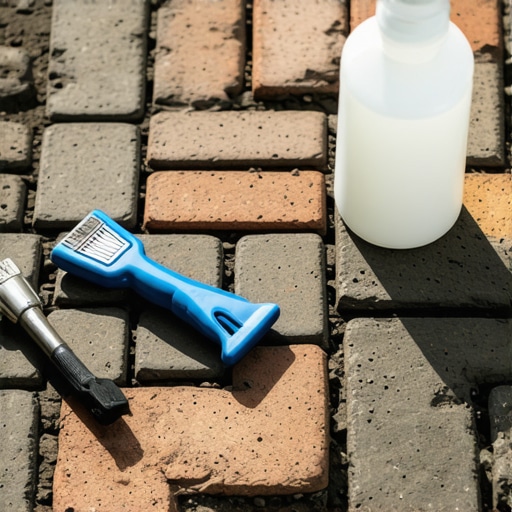
- Manual Scalping: Use a stiff-bristle wire brush or a specialized joint knife to remove the bulk of the moss. Do not just blast it with water yet; you will create a slurry that clogs the pores of the stone.
- Thermal Application: Pour boiling water directly into the joints. This kills the spores that brushes cannot reach. For larger patios, a commercial-grade steam cleaner at 300 degrees Fahrenheit is the gold standard.
- Debris Clearance: Once the moss is dead and shriveled, use a leaf blower or a shop vac to remove the organic matter. Do not leave dead moss in the joints; it becomes the compost for the next generation of weeds.
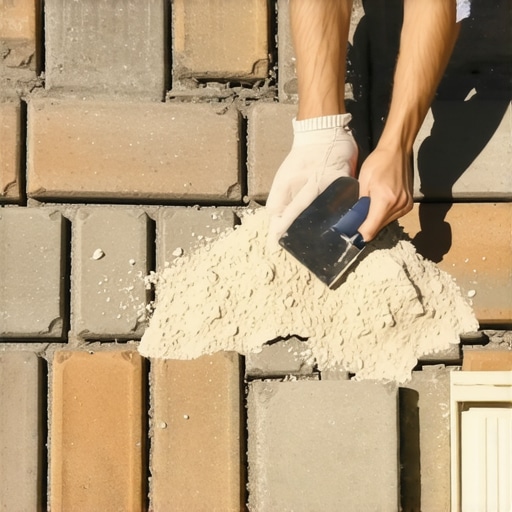
- Joint Stabilization: Replace lost material with polymeric sand. This sand contains additives that harden when wet, creating a barrier that moss rhizoids cannot penetrate.
- Check your gutters: Overflows create the constant dampness moss craves.
- Prune overhanging limbs: Increasing UV penetration is a natural moss killer.
- Test soil pH: Moss loves acidity; a light dusting of lime can shift the balance.
- Verify pitch: Your patio should slope 1/4 inch per foot away from the house.
“The presence of bryophytes on hard surfaces is often a direct result of inadequate sub-grade compaction and poor moisture shedding protocols.” – Agronomy Manual Section 12.4
Engineering the Permanent Solution
If you want the moss gone forever, stop looking at the surface and start looking at the grading. Most DIY patios fail because they are