
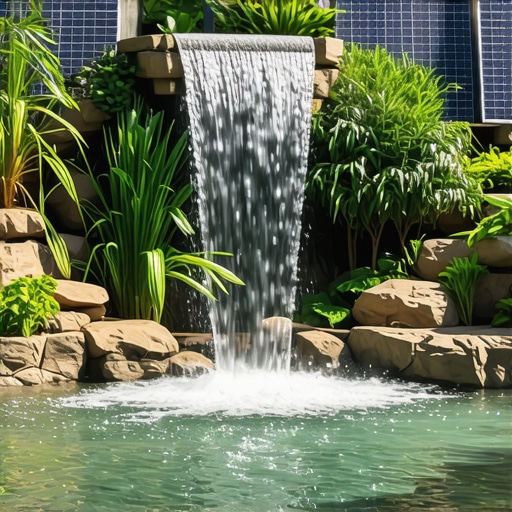
![Why Your 2026 Pond Pump Keeps Clogging [Fix]](https://lawnmajesty.com/wp-content/uploads/2026/06/Why-Your-2026-Pond-Pump-Keeps-Clogging-Fix.jpeg)
Why Your 2026 Pond Pump Keeps Clogging [Fix]
The Anatomy of a Failed Pond Pump
A clogged pond pump is almost never a failure of the motor itself but a symptom of improper hydraulic design, excessive organic bio-load, or a mismatched filtration system. Fixing it requires recalibrating your GPH flow rates and addressing the biological nutrient cycle that produces the debris. If you are cleaning your intake screen every 48 hours, your system is fundamentally out of balance. It will burn out. Don’t ignore the hum.
The Forensic Autopsy: The Case of the $15,000 Swamp
I recently got called out to tear up a massive backyard water feature that was barely two years old. The homeowner had spent $15,000 on a custom build, but the pump was clogging every morning. Upon excavation, I found the previous contractor had placed a high-performance solids-handling pump directly on the floor of the pond without a skimmer or a pump vault. The pump was essentially acting as a vacuum cleaner for every ounce of decomposing oak leaves and fish waste in the basin. The impeller was choked with string algae so dense it had the tensile strength of fishing line. We didn’t just need a new pump; we needed to re-engineer the entire hydrostatic profile of the pond. If you put a naked pump in a bowl of soup, it’s going to clog. Period.
“Maintaining a healthy pond ecosystem requires a mechanical filtration system capable of removing suspended solids before they reach the biological filter or the pump impeller.” – Penn State Agricultural Extension
Is Your Pump Sized for Total Dynamic Head (TDH)?
Total Dynamic Head is the measurement of the total equivalent height that a pump must lift water, accounting for friction loss in the pipes. Most homeowners buy a pump based on the GPH rating on the box, but they fail to account for the 3/4-inch corrugated tubing that creates massive resistance. If your pump is struggling against high resistance, the velocity of the water at the intake increases, which sucks in debris that would otherwise float past. You need a 1.5-inch or 2-inch PVC line to reduce friction and allow the pump to breathe. Check your PSI. If the pressure is too high, the clog is inevitable.
How much modified gravel do I need for a pond base?
For a standard residential pond, you should use approximately 3 to 4 inches of clean, washed river stone or 1-inch round gravel. Never use crushed limestone or modified gravel with fines (dust), as these will wash into the pump intake and create a concrete-like sludge that seizes the ceramic shaft. Use 45-mil EPDM liner underneath to prevent soil leaching.
| Pond Volume (Gallons) | Recommended GPH | Min. Pipe Diameter (Inches) | Filtration Type Required |
|---|---|---|---|
| 500 – 1,000 | 1,500 GPH | 1.25″ | Mechanical Skimmer |
| 1,000 – 3,000 | 4,000 GPH | 1.5″ | Skimmer + Bio-Falls |
| 3,000 – 6,000 | 8,500 GPH | 2.0″ | External Pressure Filter |
The Hidden Enemy: Nitrogen Spikes and String Algae
If your pump is clogging with green, hair-like slime, your NPK levels are off the charts. Excessive nitrates from fish waste and phosphates from lawn runoff fuel string algae. This algae wraps around the impeller volute and creates a mechanical bind. You cannot fix this by cleaning the pump. You fix it by adding floating aquatic plants (like Water Lettuce or Hyacinth) to starve the algae of nutrients. Also, stop overfeeding your fish. Anything they don’t eat in three minutes becomes pump-clogging sludge. That’s a fact.
“The selection of a pump must be based on the peak flow requirements of the water feature and the specific gravity of the fluid being moved, particularly in systems with high sediment loads.” – ICPI Hardscape Engineering Standards
Can I use a regular extension cord for my pond pump?
Never use a standard indoor extension cord. The voltage drop over a long, thin cord will cause the pump motor to overheat, causing the thermal overload switch to trip. This intermittent power loss often mimics the symptoms of a physical clog. Always use a dedicated 20-amp GFCI circuit with direct-burial UF cable or Schedule 40 PVC conduit.
The 5-Point Clog Prevention Checklist
- Install a Skimmer Intake: Move the pump from the bottom of the pond into a side-mounted skimmer box.
- Check the Impeller Tolerance: Ensure you are using a solids-handling pump capable of passing 1/4-inch debris.
- Increase Pipe Diameter: Replace thin, kinked hoses with rigid or flexible PVC to lower head pressure.
- Add Beneficial Bacteria: Use monthly doses of heterotrophic bacteria to digest the organic muck (sludge) on the pond floor.
- Establish a 50% Plant Cover: Use lilies and marginals to shade the water and lower the temperature, reducing algae growth.
Remediating the Bio-Film Buildup
In 2026, many smart pumps feature Variable Frequency Drives (VFD). While efficient, they are sensitive to bio-film—a microscopic layer of bacteria that coats the sensor. If your pump’s auto-shutoff is triggering, scrub the stainless steel sensor probes with a soft brush and white vinegar. Do not use harsh chemicals. It will kill the nitrifying bacteria in your filter mats. Your pond is a living organism. Treat it like one. If you treat it like a swimming pool, you will fail. Hardscape is about engineering; ponds are about biology. Get both right, or get a rake ready. “
![Stop 2026 Pond Leaks: 3 Sealing Tape Rules [Fix]](https://lawnmajesty.com/wp-content/uploads/2026/06/Stop-2026-Pond-Leaks-3-Sealing-Tape-Rules-Fix.jpeg)
![Why Your 2026 Pond is Green [The $40 Filter Fix]](https://lawnmajesty.com/wp-content/uploads/2026/06/Why-Your-2026-Pond-is-Green-The-40-Filter-Fix.jpeg)
![Stop Your 2026 Fountain from Leaking [30-Min Fix]](https://lawnmajesty.com/wp-content/uploads/2026/06/Stop-Your-2026-Fountain-from-Leaking-30-Min-Fix.jpeg)