
4 Solar Pond Filters for a Cleaner 2026 Backyard
Why Solar Pond Filtration is No Longer a Gimmick in 2026
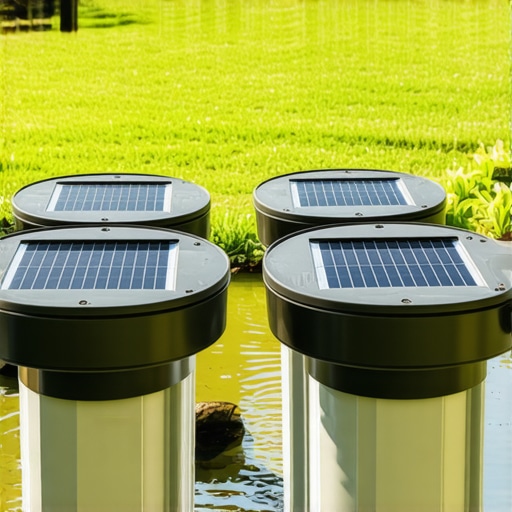
In 2026, solar pond filters provide high-efficiency water clarification by utilizing high-wattage monocrystalline panels and integrated lithium-ion storage to maintain dissolved oxygen levels and nitrogen cycle stability without electrical grid dependency. These systems leverage brushless DC pumps and UV-C clarification to eliminate particulate matter and suspended algae in backyard water features.
I recently got called out to tear up a $30,000 patio and pond installation that was sinking because the previous contractor ignored the hydrostatic pressure and used a cheap, undersized pump that eventually shorted out. The homeowner was left with a 4,000-gallon mosquito breeding ground that smelled like a sulfur plant. When we excavated, we found the liner was compromised by root intrusion because they didn’t use a proper geotextile underlayment. It was a forensic nightmare of bad engineering. The biggest lesson? If you don’t calculate your head pressure and turnover rate correctly, you’re just building a very expensive puddle. Most people think a pond is a static decoration; it’s not. It’s a biological reactor that requires constant gas exchange and mechanical filtration to prevent the buildup of toxic ammonia and nitrites.
“A retaining wall doesn’t fail because of the stone; it fails because of the water trapped behind it.” – Hardscape Engineering Axiom
The Engineering Reality of Solar Ponds
To keep a 2026 backyard pond clear, you need to understand the math of water movement. You are looking for a total volume turnover every two hours. If you have a 1,000-gallon pond, your solar pump must move at least 500 gallons per hour (GPH) after accounting for head height. Head height is the vertical distance the water travels from the pump to the filter or waterfall. Every foot of lift increases the resistance, dropping your GPH. Most solar setups in the past failed because they lacked the amperage to push water through a pressurized canister filter. Modern 2026 systems use 60W to 100W panels that can drive a 12V or 24V pump with enough force to utilize fine-pore mechanical sponges and bio-media. Don’t skip the battery backup. Without it, your biological filter dies every night when the sun goes down. Aerobic bacteria need oxygen 24/7 to survive. If they die, your pond crashes.
| Filter System Type | Ideal Pond Size (Gallons) | Solar Panel Wattage | Max Head Height (ft) | Battery Backup Included |
|---|---|---|---|---|
| Pressure Canister | 500 – 1,500 | 80W | 10.5 | Yes (Li-ion) |
| Submersible All-in-One | 100 – 400 | 25W | 4.2 | No |
| Floating UV Clarifier | 200 – 600 | 40W | N/A | Yes |
| External Gravity Box | 1,000 – 2,500 | 120W | 12.0 | Optional |
How much modified gravel do I need for a pond filter base?
For a stable filter housing base, you require a minimum of 4 inches of compacted 21A modified gravel or 3/4-inch crushed stone to prevent settling and ensure proper drainage around the unit. This structural layer prevents the filter canister from shifting, which can lead to cracked PVC fittings and catastrophic water loss due to seal failure.
The 4 Best Solar Pond Filters for 2026
1. The High-Pressure UV Canister System. This is for the serious hobbyist. It uses a 100W panel to power a pump that forces water through a series of coarse and fine sponges, then past a UV-C bulb that destroys the DNA of single-celled algae. This prevents the ‘pea soup’ look. 2. The Integrated Bio-Box. This sits outside the pond, hidden by hardscaping. It relies on gravity to return water, making it more efficient for solar pumps with lower lift capacity. 3. The Floating Nano-Skimmer. Perfect for smaller 200-gallon features. It pulls surface oils and debris before they sink and rot. 4. The Submersible All-In-One. This is for whiskey barrel ponds or small rock basins. It’s a pump, filter, and fountain head in one unit. Simple, but effective for low-load environments.
“Maintain a minimum dissolved oxygen level of 5.0 mg/L to ensure the survival of beneficial nitrifying bacteria and aquatic life.” – Aquatic Agronomy Manual
- Check the GPH: Ensure the pump handles the pond volume every 120 minutes.
- Verify the Battery: You need at least 6 hours of runtime for nighttime oxygenation.
- Inspect the UV-C: Replace the bulb every 12 months for maximum algae control.
- Clean the Pre-filter: Weekly removal of large debris prevents pump impeller damage.
- Test pH Levels: Keep pond water between 6.5 and 8.5 to protect the bio-filter.
How to install a solar pond filter for maximum efficiency?
To achieve maximum solar efficiency, mount the panels at a 35 to 45-degree angle facing due south, ensuring no canopy shading hits the cells between 10 AM and 4 PM. Use 12-gauge low-voltage landscape wire for runs over 15 feet to minimize voltage drop and maintain pump RPMs.
The Maintenance Schedule for Aquatic Clarity
Maintenance isn’t optional. It’s the difference between a feature and a liability. Every spring, you need to pull the pump and inspect the ceramic shaft. If you have hard water, calcium will build up and snap the impeller. It’s a $50 fix that prevents a $500 pump replacement. Use a pond vacuum to remove the ‘sludge’ or mulm from the bottom. This organic matter is a nutrient bomb. If you leave it, the first heatwave of June will trigger a massive algae bloom that your filter won’t be able to handle. Filtration is a tool, not a miracle worker. You have to manage the bioload. If you have 20 koi in a 1,000-gallon pond, no solar filter on earth will save you. Follow the 1-inch of fish per 10 gallons of water rule. Period. It works. Anything more is asking for a disaster.
![Build a $200 Solar Pond Fountain [2026 DIY]](https://lawnmajesty.com/wp-content/uploads/2026/07/Build-a-200-Solar-Pond-Fountain-2026-DIY.jpeg)
![Fixing 2026 Ponds with Murky Water [Filter Hack]](https://lawnmajesty.com/wp-content/uploads/2026/07/Fixing-2026-Ponds-with-Murky-Water-Filter-Hack.jpeg)

![Why Your 2026 Pond Pump is Making Noise [Easy Fix]](https://lawnmajesty.com/wp-content/uploads/2026/07/Why-Your-2026-Pond-Pump-is-Making-Noise-Easy-Fix.jpeg)