Stop 2026 Lawn Moss: 3 Drainage Fixes That Work
The Forensic Autopsy of a Sinking, Moss-Choked Yard
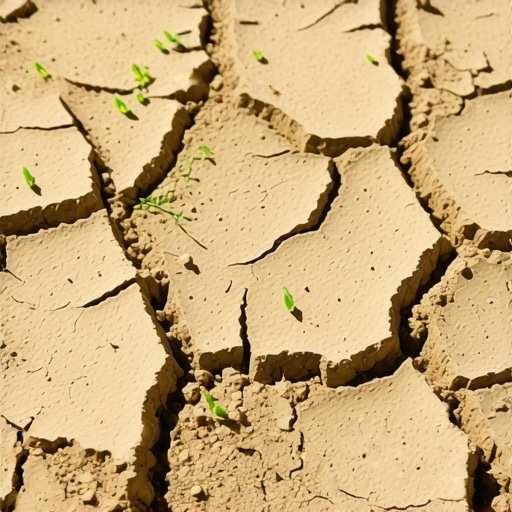
The squish of spongey, emerald-green moss underfoot isn’t a sign of a healthy garden; it’s a diagnostic siren for anaerobic soil and compaction. When you see moss, you aren’t looking at a plant invasion; you are looking at a drainage failure. Moss, or bryophyta, lacks a vascular system and true roots. It thrives where turfgrass dies because it doesn’t need soil oxygen to survive. It simply waits for your lawn to drown. [image1]
I recently got called out to tear up a $30,000 patio that was sinking because the previous contractor failed to account for hydrostatic pressure. The homeowner was complaining about a massive moss breakout in the adjacent lawn. After digging just six inches, I found the culprit: the ‘pro’ had used stone dust instead of clean angular stone for the base. This created an impermeable layer, essentially turning the patio into a dam that flooded the yard. The lawn wasn’t ‘sick’; it was a pond. We had to excavate 40 tons of material just to give the water a place to go. This is the reality of hardscaping. If you don’t respect the movement of water, the water will destroy your investment. Don’t skip the engineering.
How do I stop moss from growing in my lawn permanently?
To stop 2026 lawn moss, you must address hydrostatic pressure and soil compaction by installing a French drain, performing deep-core aeration to improve percolation, and regrading the property to ensure a 2% minimum slope away from the turf zone to eliminate standing water.
“A retaining wall doesn’t fail because of the stone; it fails because of the water trapped behind it.” – Hardscape Engineering Axiom
Fix 1: The French Drain and Subsurface Management
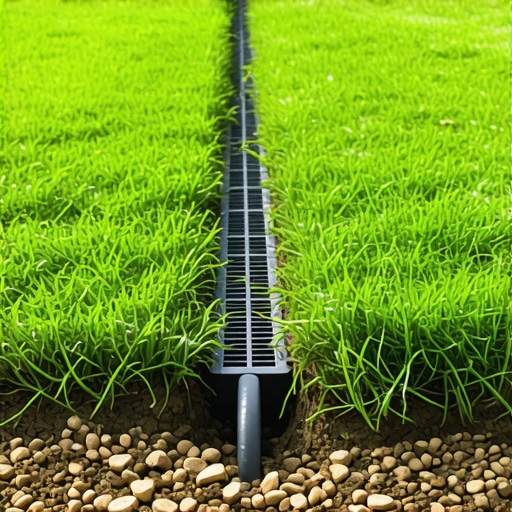
If your soil stays saturated for more than 48 hours after a rain, you have a percolation problem. A French drain is the gold standard for moving subsurface water. You need to dig a trench at least 18 inches deep with a 1% slope. Use a 4-inch perforated NDS pipe wrapped in a geotextile filter fabric. Fill the trench with 3/4-inch clean washed stone. Do not use ‘crusher run’ or ‘modified gravel’ here; the fines will clog the pipe within two seasons. This system works by creating a path of least resistance, pulling water out of the soil profile and discharging it to a safe daylight point or a dry well. It is physics, not magic. It works.
Fix 2: Deep-Core Aeration and the Calcium-Magnesium Balance
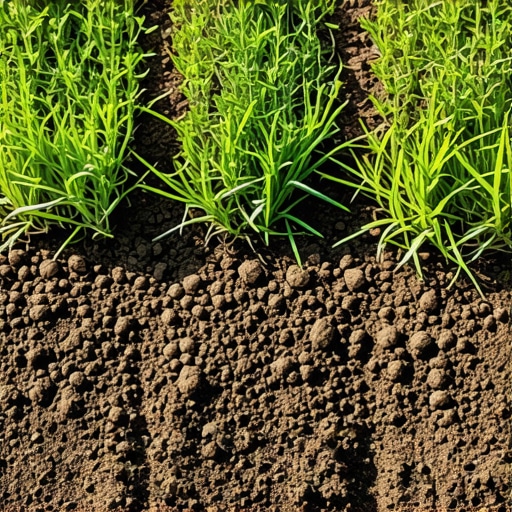
Compacted soil is the primary habitat for moss because it lacks macropores for air and water exchange. Most ‘mow-and-blow’ guys will suggest a light aeration. That is useless. You need a stand-on aerator that pulls 3-inch to 4-inch soil cores at a density of 20 to 40 holes per square foot. While the internet tells you to water every day, turf grass actually needs deep, infrequent watering—exactly 1 inch per week—to force roots to chase the water down. After aerating, top-dress with top-quality compost or calcined clay. Contrarian tip: Check your magnesium levels. High magnesium makes clay soils ‘tight’ and sticky. Adding gypsum (calcium sulfate) can help flocculate the soil particles, opening up channels for drainage without significantly altering your pH. It’s about chemistry.
How deep should a French drain be for a lawn?
A French drain for residential lawn drainage should be 12 to 24 inches deep. This ensures it sits below the root zone of the turf, effectively pulling gravitational water away from the surface and preventing the anaerobic conditions that allow moss rhizoids to establish dominance over grass.
| Remediation Method | Primary Benefit | Longevity | Estimated Cost |
|---|---|---|---|
| Iron Sulfate Application | Chemical Burn of Moss | Temporary (4-6 weeks) | Low |
| Core Aeration | Reduces Compaction | Seasonal | Medium |
| French Drain Install | Removes Excess Water | Permanent (20+ years) | High |
| Soil pH Adjustment | Optimizes Nutrient Uptake | Long-term | Medium |
Fix 3: Strategic Regrading and Swale Construction
Surface water must be managed before it becomes subsurface water. A bioswale or a simple grassed swale can redirect thousands of gallons of runoff. You need a transit or a laser level to ensure you have a positive grade. A 2% slope—a drop of 1/4 inch per foot—is the minimum required to move water effectively across a landscaped area. If your yard is a bowl, you are fighting a losing battle. We often use river rock in high-flow areas to prevent erosion while allowing water to infiltrate slowly. Every garden design must start with a topographic assessment. If your contractor doesn’t pull out a level, fire them. They are just guessing with your money.
“Poor drainage is the leading cause of turf failure in temperate climates, as it leads to root asphyxiation and increased pathogen pressure.” – Penn State Department of Plant Science
Does lime kill moss in grass?
No, lime does not kill moss. While moss thrives in acidic soil, it also grows in neutral and alkaline soils if the area is wet and shaded. Lime only raises soil pH; it does not fix drainage or compaction. Always perform a soil test before applying lime to avoid nutrient lockout. High-end lawn care requires precision, not guesswork.
The Drainage Health Checklist
- Identify the ‘Squish Zone’ 24 hours after rain.
- Perform a Perc Test: Dig a 12-inch hole, fill with water, and time the drainage.
- Check for thatch buildup exceeding 0.5 inches.
- Inspect downspout extensions; ensure they discharge 10 feet from the foundation.
- Measure shade levels; moss only needs 1% of sunlight to survive.
- Clear organic debris that traps surface moisture.
Stop 2026 lawn moss by being the engineer of your own dirt. If you fix the soil structure and manage the hydrology, the grass will win. If you don’t, you’re just buying expensive compost. It will rot. Don’t skip the prep work. Professional results come from professional site preparation. That is the only secret in this industry.