5 Heat-Tolerant 2026 Ferns for Shady Patios
The Engineering of a Resilient Shady Landscape
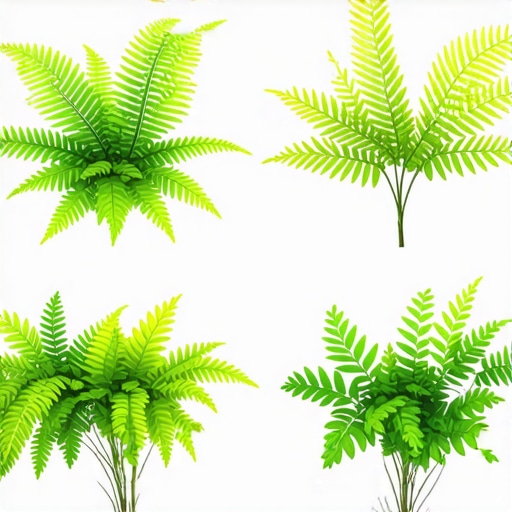
Heat-tolerant ferns for 2026 include species like Dryopteris erythrosora and Cyrtomium falcatum, which are selected for their ability to maintain cellular turgor during high-temperature spikes in landscaping projects. These plants thrive in garden design layouts that prioritize moisture retention and soil drainage, preventing root rot while providing dense, architectural foliage in shaded hardscaping zones.
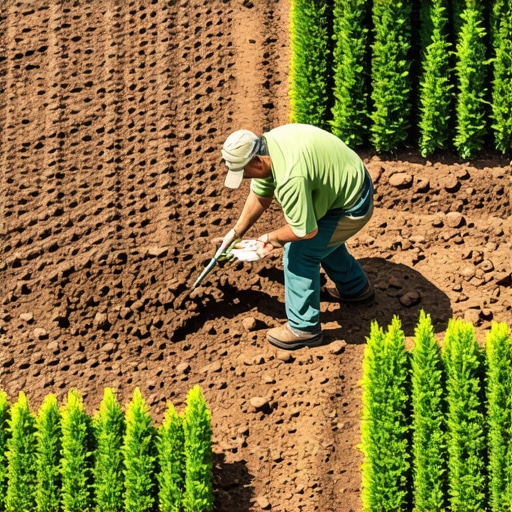
I always drill into my new crew members: if you don’t fix the soil grading first, every plant you put in the ground is just expensive compost. I remember a job back in ’14 where a junior tech planted two dozen Japanese Painted Ferns in a bowl-shaped depression near a limestone retaining wall. The first summer storm hit, the water sat, and the root flares suffocated. We don’t just dig holes; we manage the movement of water and the exchange of gasses in the rhizosphere. If the soil pH isn’t sitting between 5.5 and 6.5 for these ferns, you are fighting a losing battle against nutrient lockout. In the 2026 climate landscape, where night-time temperatures are staying higher for longer, the physiological stress on plants is immense. We are moving toward species that have thicker cuticles and deeper rhizomes to withstand these shifting micro-climates.
The Physiological Demands of Modern Fern Gardening
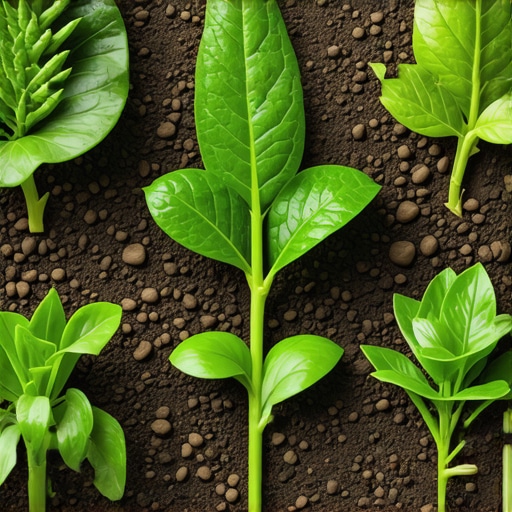
Successful lawn care and garden maintenance require understanding that heat tolerance in ferns is not about resisting the sun, but about managing Vapor Pressure Deficit (VPD). When the air is hot and dry, the plant loses water faster than the roots can pull it from the medium. This leads to scorched margins and eventual collapse. To mitigate this, we look at soil structure. A mix of 40% composted pine bark, 40% sandy loam, and 20% expanded shale provides the mechanical stability and drainage required. Don’t use that cheap bagged potting soil from the big-box store; it collapses within six months and strangles the roots. We need macro-pores for oxygen.
“Maintaining adequate soil moisture through organic matter is paramount for fern survival during prolonged high-temperature events, as it buffers the root zone against rapid thermal fluctuations.” – Penn State Extension
The heat of 2026 demands a shift in how we approach hardscaping adjacency. Concrete and pavers act as thermal masses, radiating heat long after the sun goes down. If you place a sensitive fern within 12 inches of a dark-colored paver, you are essentially baking it. We now use lighter-colored natural stones or thermal-treated wood to keep the ambient temperature lower in these shaded patio pockets.
1. Autumn Fern (Dryopteris erythrosora)
This is the workhorse of the modern shade garden. It is one of the few ferns that can handle the humidity and heat of a Southern summer without looking like it spent a week in a kiln. Its fronds start as a copper hue and mature into a deep, leathery green. This waxy coating is the key; it reduces transpiration. We plant these at 18-inch centers to allow for airflow, which prevents fungal pathogens like Rhizoctonia from taking hold in the dense crown. [image_placeholder]
2. Holly Fern (Cyrtomium falcatum)
If you want a fern that looks like it belongs in a Victorian conservatory but has the grit of a desert shrub, this is it. The Holly Fern features stiff, glossy pinnae that are incredibly resistant to desiccation. In my experience, these are the best options for planting near hardscaping features like outdoor kitchens where ambient heat is a constant factor. They are slow growers, so don’t expect them to fill a void overnight. Patience is a requirement for quality garden design.
3. Southern Wood Fern (Thelypteris kunthii)
This species is native to the Southeastern US and is genetically hardwired for heat. It spreads via creeping rhizomes, making it an excellent groundcover for stabilizing soil under a canopy. However, you must monitor its spread; in the right conditions, it can be aggressive. We use it to soften the edges of large stone patios. It requires a consistent 1 inch of water per week, delivered via drip irrigation directly to the soil surface, never overhead.
4. Southern Maidenhair Fern (Adiantum capillus-veneris)
While most Maidenhairs are finicky, the Southern variety is surprisingly resilient if its feet stay wet. This is the plant for the edge of a water feature or a shaded French drain exit. It uses a capillary action to draw moisture up through its black, wiry stems. If the soil dries out, it will go dormant immediately. It won’t die, but it will look like straw until the next rain. Precision lawn care systems should include a dedicated zone for these high-moisture plants.
5. Tassel Fern (Polystichum polyblepharum)
The Tassel Fern is an architectural masterpiece. The way the new fronds unfurl and then droop creates a unique texture that contrasts well with the broad leaves of Hostas or the fine blades of sedges. It is highly resistant to heat as long as the humidity remains above 40%. In dryer climates, we install misting nozzles on a timer to provide a mid-day cooling blast, which can drop the local temperature by 10 to 15 degrees through evaporative cooling.
Comparative Analysis of Heat-Tolerant Species
| Fern Species | Max Heat Tolerance (F) | Soil pH Preference | Growth Habit |
|---|---|---|---|
| Autumn Fern | 95 | 5.5-6.5 | Clumping | Holly Fern | 98 | 6.0-7.0 | Erect/Stiff | Southern Wood | 100 | 5.5-7.5 | Spreading | Southern Maidenhair | 92 | 7.0-8.0 | Creeping | Tassel Fern | 94 | 5.5-6.0 | Clumping |
Selecting the right plant is only 20% of the job. The rest is site preparation and mechanical installation. If you aren’t checking the Cation Exchange Capacity (CEC) of your soil before a major install, you are guessing, not landscaping. High-end hardscaping requires a synergy between the stone and the biology. We often use perforated pipe behind our walls to ensure that even during heavy irrigation of these ferns, the hydrostatic pressure doesn’t compromise the structural integrity of the wall.
“Drip irrigation systems should be calibrated to the specific transpiration rates of the species to avoid root rot in poorly drained soils.” – Texas A&M AgriLife
How much modified gravel do I need for a patio base?
For a standard pedestrian patio, you need a minimum of 4 to 6 inches of compacted modified gravel (21A or 3/4-inch minus). This base must be compacted in 2-inch lifts using a plate compactor to achieve 95% Proctor density. Anything less leads to settling and pavers that shift, creating trip hazards and poor drainage that will eventually drown your adjacent garden design.
Can ferns survive direct sunlight in heat?
Most ferns will suffer photosynthetic inhibition and leaf scorch in direct afternoon sun when temperatures exceed 85 degrees. While some “sun-tolerant” varieties exist, they still require dappled light or morning sun only. In 2026, the UV index is a major factor; even a heat-tolerant fern needs the protection of a 30% to 50% shade cloth if natural canopy is unavailable.
The Professional Installation Checklist
- Soil Test: Analyze N-P-K levels and pH. Amend with elemental sulfur if pH is above 7.0 for acid-loving ferns.
- Drainage Check: Dig a 12-inch hole, fill with water. If it doesn’t drain in 2 hours, install a French drain or use raised planters.
- Root Flare Inspection: Ensure the crown of the fern is 0.5 inches above the soil line to prevent crown rot.
- Irrigation Setup: Install Netafim drip tubing with 0.6 GPH emitters spaced every 12 inches.
- Mulching: Apply 2 inches of shredded hardwood mulch. Keep mulch 1 inch away from the plant stems to prevent fungal transfer.
Landscape professionals know that the