

Stop Killing 2026 Hostas: 3 Snail and Slug Hacks
The Anatomy of a Hosta Massacre: Identifying Gastropod Damage
Hosta damage in 2026 is primarily driven by gastropod infestations including snails and slugs that thrive in high-moisture, low-airflow environments. Identifying the jagged, irregular holes and slimy trails is the first step in diagnosing why your shade garden design is failing under heavy biological pressure.
I always drill into my new crew members: if you don’t fix the soil grading first, every plant you put in the ground is just expensive compost. I saw it last season on a job in a heavy clay region. The homeowner had spent four thousand dollars on premium hosta cultivars like ‘Empress Wu’ and ‘Blue Mouse Ears,’ only to watch them turn into Swiss cheese within three weeks. They blamed the nursery. I looked at the grade. The bed was shaped like a bowl, holding three inches of stagnant water against the crowns. That moisture is a highway for slugs. We had to excavate the entire bed, install a French drain system using 4-inch perforated pipe and 1-inch clean stone, and reset the grade at a 2 percent slope away from the foundation. Without fixing the engineering, no amount of chemical bait would have saved those plants. Slugs are biological opportunists: they don’t just find your plants; they find the environment you’ve accidentally built for them.
“Slugs and snails are among the most difficult pests to control in the home landscape because they are nocturnal and require moisture to survive.” – Penn State Extension
Hack 1: The Copper Kinetic Shield and Ionization Barrier
Copper barriers work by reacting with the slug’s mucus to create a low-voltage electrical charge that deters movement across the surface. This hardscaping integration uses physical science to create a permanent perimeter that prevents pests from ever reaching the tender foliage of your premium 2026 hostas.
You cannot just wrap a thin piece of hobby wire around a plant and expect results. You need 2-inch wide copper flashing. When a slug attempts to cross the copper, the chemical reaction with its slime creates an electrolytic effect. It is essentially a small shock. For maximum efficacy, the copper must be kept clean. Oxidation (that green patina) reduces the conductivity and the effectiveness of the deterrent. Use a Scotch-Brite pad once a month to keep the metal bright. If you are building a raised planter, nail the copper strip directly to the wood frame. Ensure there are no overhanging leaves acting as a bridge. A single leaf touching the ground outside the barrier is a ladder. Slugs are not smart, but they are persistent. They will find the bridge. We use 16-ounce copper weight for durability because the cheap tape peels off after one freeze-thaw cycle. Buy the heavy gauge stuff. It is more expensive up front, but it lasts a decade.
Hack 2: Chemical Warfare with Targeted Iron Phosphate
Iron phosphate baits represent the modern standard for integrated pest management because they effectively disrupt the digestive systems of snails and slugs without harming pets or beneficial soil microbes. This lawn care tactic targets the specific biology of the pest while maintaining a safe environment for residential properties.
Forget the old metaldehyde pellets. They are toxic to dogs and birds. Iron phosphate is the professional’s choice. When the gastropod consumes the bait, the iron interferes with the calcium metabolism in their gut. They stop feeding immediately. They don’t die on the spot; they crawl away to the soil sub-layer and expire. This is why homeowners think the bait isn’t working: they don’t see the bodies. They do, however, see the lack of new holes. Application timing is critical. Do not apply it before a heavy rain. Apply it at twilight when the ground is damp but no downpour is expected. The slugs emerge as the dew point is reached. They want the bait to be the first thing they find. Use a spreader setting that delivers approximately 1 pellet per square inch. Over-applying is a waste of money. It is a precision tool, not a blunt instrument.
“Metaldehyde baits are effective but carry risks to non-target species; iron phosphate represents a more targeted approach for IPM strategies.” – Texas A&M Agrilife
How do I get rid of slugs in my hostas permanently?
Permanent control requires a multi-pronged approach involving moisture management, physical barriers like copper or crushed stone, and consistent application of iron phosphate. You must reduce the mulch layer to no more than 2 inches to eliminate the damp breeding ground where slugs deposit their eggs during the fall.
Hack 3: Engineering the Death Zone with Sharp Aggregates
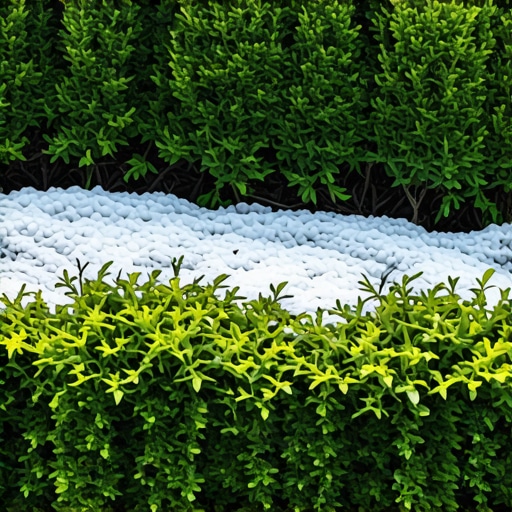
Mechanical barriers created from sharp, abrasive materials like crushed eggshells or specialized 3/4-inch angular stone create a physical deterrent that desiccates the soft underbelly of the slug. Integrating these materials into your garden design provides a structural solution that also improves soil drainage and aesthetic appeal.
Slugs are 90 percent water. Their survival depends on maintaining that moisture. If you surround your hosta crowns with a 4-inch wide ring of sharp, crushed slate or volcanic rock, you are creating a desert. The sharp edges micro-cut the slug’s foot, leading to rapid desiccation. This is where I see DIYers fail: they use rounded river rock. River rock is smooth. A slug can glide over a smooth stone like it’s a paved road. You need 57-stone or crushed seashells. The texture must be abrasive. Additionally, check your irrigation. If you are watering at night, you are inviting disaster. Shift your irrigation timers to 4:00 AM. This allows the foliage to dry quickly as the sun rises, removing the humidity the pests need to remain active. We also recommend removing the lower-most leaves of the hosta that touch the soil. This creates a vertical gap that the slugs struggle to bridge. It also improves airflow to the crown, which prevents fungal rot.
What is the best time to apply slug bait?
The most effective time for bait application is late afternoon or early evening, just before the nocturnal pests emerge. Ensuring the soil is slightly moist will activate the bait’s scent, drawing the slugs away from your hostas and toward the iron phosphate pellets before they reach the leaves.
| Control Method | Material Cost | Durability | Soil Impact |
|---|---|---|---|
| Copper Flashing | High | 5-10 Years | Neutral |
| Iron Phosphate | Medium | 3-4 Weeks | Nutrient Addition |
| Crushed Stone | Low | Permanent | Improves Drainage |
| Diatomaceous Earth | Low | Temporary | Neutral |
- Measure soil pH to ensure it falls between 6.5 and 7.5 for optimal hosta health.
- Clear all leaf litter and decaying organic matter from the base of the plants in early spring.
- Install copper barriers before the first flush of leaves emerges from the crown.
- Verify that mulch is kept at least 2 inches away from the plant stems.
- Monitor for slime trails every 48 hours during peak rainy seasons.
Precision matters in horticulture. If you treat your garden like a construction site and your plants like living organisms with specific physiological needs, you stop losing the battle to pests. It is not about luck. It is about engineering an environment where the pest cannot survive and the plant cannot fail. Clean your tools, fix your grade, and use the right materials. Stop being a hack.
![Why Your 2026 Cedar Fence is Turning Gray [Fix]](https://lawnmajesty.com/wp-content/uploads/2026/06/Why-Your-2026-Cedar-Fence-is-Turning-Gray-Fix.jpeg)