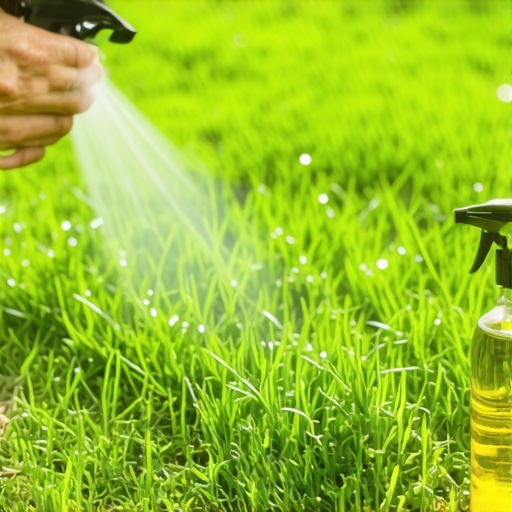
Stop 2026 Lawn Pests: Use This $30 Neem Oil Hack
The Chemical Nightmare: Why Your Current Pest Control is Killing Your Soil
Stop 2026 lawn pests by using a high-azadirachtin neem oil concentrate mixed with a non-ionic surfactant to disrupt the larval growth cycles of grubs and chinch bugs without nuking your beneficial microbial population. This approach targets the hormonal systems of invasive insects while preserving the rhizosphere integrity necessary for deep root development and nutrient uptake in your turf grass. I recently got called out to a property where a homeowner had completely torched their front lawn by applying a massive dose of synthetic bifenthrin during a 95-degree heatwave. They didn’t just kill the pests; they sterilized the soil, turning a living ecosystem into a hydrophobic desert of dead organic matter. It was a chemical burn so severe that the cation exchange capacity of the soil was effectively zero, meaning no amount of water or fertilizer would help until we spent six months remediating the microbiology. You see this all the time with DIY ‘weed and feed’ bags from big-box stores. They provide a quick hit of nitrogen that forces top-growth at the expense of root depth, creating a sugary, soft tissue that acts like a dinner bell for every pest in the county. A high-performing landscape requires a surgical approach, not carpet bombing with cheap synthetics.
“The overuse of broad-spectrum insecticides leads to a secondary pest outbreak by eliminating the natural predators that keep populations in check.” – Texas A&M AgriLife Extension
Understanding the Azadirachtin Mechanism for Turf Protection
The core of the $30 neem oil hack lies in the chemical compound azadirachtin, which acts as an insect growth regulator (IGR) that prevents pests from molting into their next life stage. When a beetle larva or a chinch bug ingests foliage or roots treated with neem, the azadirachtin blocks the prothoracicotropic hormone, effectively halting their development and preventing the next generation from ever reaching maturity. This is not an instant-kill contact poison. If you want immediate results, go buy a flamethrower. If you want a resilient lawn, you use the neem protocol to break the cycle. Most people buy the ‘ready-to-use’ sprays that are 99 percent water. That is a waste of money. You need 100 percent cold-pressed neem oil. Cold-pressing preserves the volatile compounds that heat extraction destroys. In my 20 years of managing high-end estates, I have found that the difference between a failing lawn and a championship-caliber turf is the presence of beneficial nematodes and mycorrhizal fungi. Synthetic pesticides kill these allies. Neem oil, when applied correctly, leaves them alone because they do not consume the plant tissue containing the azadirachtin. This hack is about biological engineering, not just spraying a liquid and hoping for the best. It requires an understanding of soil pH and ambient temperature to ensure the oil does not emulsify too quickly or burn the blades of the grass under UV stress.
| Pesticide Type | Active Ingredient Cost | Residual Impact | Effect on Microbes |
|---|---|---|---|
| Synthetic (Bifenthrin) | $45 – $80 | Long (High Toxicity) | Negative / Sterilizing |
| Big-Box RTU Spray | $25 (Mostly Water) | Low (Short Duration) | Neutral to Negative |
| Cold-Pressed Neem Hack | $30 (Concentrate) | Moderate (Systemic) | Positive / Preserves |
How much neem oil do I need for a 5,000 square foot lawn?
For a standard 5,000 square foot residential lawn, you will need approximately 8 to 10 ounces of pure neem oil concentrate mixed with 5 gallons of water and 2 tablespoons of liquid castile soap or a dedicated surfactant. This ratio ensures a concentration of roughly 1 to 2 percent, which is the sweet spot for pest disruption without inducing phytotoxicity. You must apply this using a pressure sprayer with a fan nozzle to ensure even coverage across the entire blade surface. Do not use a hose-end sprayer; they are notoriously inaccurate and will either dilute the solution too much or dump the entire concentrate in the first thirty seconds. Consistency is king here. You are aiming for a uniform distribution that coats the leaf but also allows for some soil drenching to reach the subsurface grubs. If you see the water beading up and rolling off the grass, your surfactant levels are too low. The goal is ‘sheeting.’ The liquid should form a continuous film. This is the only way to ensure the azadirachtin is absorbed into the plant tissue. Anything else is just watering your weeds.
“Effective pest management in turfgrass relies on the timing of applications to coincide with the most vulnerable life stages of the target organism, typically the early instar phases.” – Penn State Center for Turfgrass Science
The 2026 Pest Forecast: Why Traditional Methods Are Failing
Changing weather patterns and insecticide resistance are making standard chemical treatments obsolete, necessitating a shift toward botanical IGRs like neem oil to manage the 2026 pest season effectively. We are seeing longer periods of soil saturation followed by intense heat spikes, which creates the perfect breeding ground for fungal pathogens and root-eating larvae. In heavy clay soils, like those found in the Midwest or the Southeast, poor drainage leads to anaerobic conditions that stress the turf, making it an easy target. When the soil is compacted, the roots can’t breathe, and the plant’s natural immune response shuts down. Using neem oil as a systemic drench helps because the plant absorbs the compounds through the roots, providing internal protection. But the neem hack is only 20 percent of the equation. You cannot spray your way out of bad grading and drainage. If your yard has standing water, you don’t have a pest problem; you have a civil engineering problem. I tell my crew every day: if the grade isn’t moving water away from the root zone, the most expensive fertilizer in the world is just expensive compost. You need to address the hydrostatic pressure in the soil. Core aeration is mandatory. You want to pull 3-inch plugs to allow the neem oil drench to actually reach the rhizosphere. Without those channels, the oil just sits on the thatch layer and evaporates, wasting your $30 and your time.
The 48-Hour Pest Eradication Checklist
- Soil Moisture Check: Ensure the lawn is hydrated but not saturated before application to prevent runoff.
- Timing: Apply only in the late evening or early morning to avoid UV degradation of the azadirachtin.
- Mixing: Emulsify the neem oil with warm water and soap first before adding it to the main sprayer tank.
- Nozzle Calibration: Use a medium droplet size; too fine will drift, too coarse will not adhere to the blades.
- Post-Application: Do not irrigate for 24 hours to allow the systemic absorption process to complete.
Will neem oil kill honeybees or ladybugs?
Neem oil is generally considered safe for non-target beneficial insects like honeybees and ladybugs because it must be ingested to be effective, and these insects do not eat the grass blades. However, as a professional, I never recommend spraying while bees are actively foraging. Apply at dusk. By the time the sun comes up, the spray has dried and the volatile organic compounds that might irritate pollinators have dissipated. The ladybugs that eat your aphids will be fine. The earthworms that are aerating your soil will be fine. In fact, by removing the heavy synthetic load from your lawn, you are actually increasing the biodiversity of your soil. Healthy soil is the best pest defense. A lawn with a high organic matter content and a diverse microbial colony can often withstand a minor pest infestation without showing any visible damage. It is only when the system is out of balance—usually due to over-fertilization with synthetic salts—that the pests take over. This $30 hack is your way of resetting the clock. It gives the turf a chance to recover its natural defenses. Don’t expect a miracle overnight. You are playing the long game. You are building a resilient ecosystem that can survive the 2026 season and beyond. If you want a plastic-looking lawn that requires a hazmat suit to walk on, hire a hack. If you want a high-performance living landscape, start using biology to your advantage. It works. Period.


![Fix 2026 Grass Burn from Pet Waste [3-Step Fix]](https://lawnmajesty.com/wp-content/uploads/2026/05/Fix-2026-Grass-Burn-from-Pet-Waste-3-Step-Fix.jpeg)