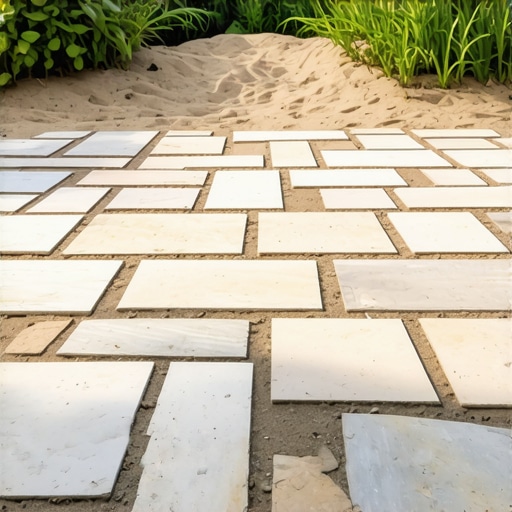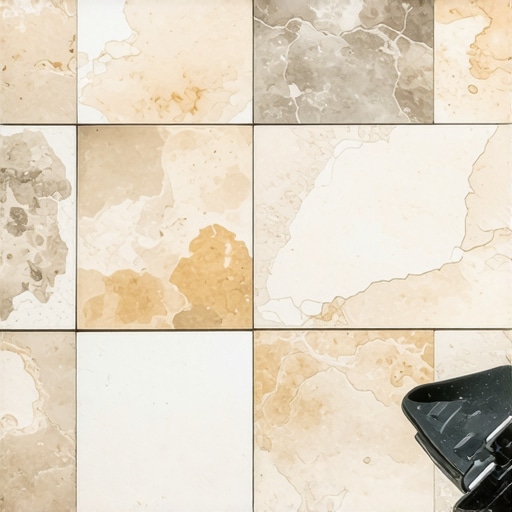
Fix 2026 Patio Stains with This Eco-Friendly Wash
The Bio-Chemical Reality of Your Hardscape
To fix 2026 patio stains effectively using an eco-friendly wash, homeowners must identify the specific contaminant, whether organic biofilms, mineral efflorescence, or tannin leaching, and apply a sodium percarbonate solution that breaks molecular bonds without damaging the porous structure of the hardscape or surrounding soil biology. Most people see a green or black spot and reach for the bleach. That is a amateur move. Bleach is a surface-level scorched-earth tactic that wreaks havoc on your yard’s nitrogen levels and does nothing to address the root of the problem: the pore structure of your stone.
The Hardscape Autopsy: A Tale of Wicking and Failure
I recently got called out to tear up a $30,000 patio that was sinking because the previous contractor used limestone screenings as a bedding layer instead of clean, angular ASTM C33 sand. The result was a disaster. The limestone fines acted like a wick, pulling moisture and minerals up from the sub-grade through the pavers. This manifested as a thick, white, crusty bloom of efflorescence that no amount of scrubbing could fix. When the homeowner tried to power-wash it at 4,000 PSI, they stripped the cream coat right off the top of the concrete, exposing the aggregate underneath and making it even more porous. They didn’t just have a stain; they had a structural surface failure. This is why you never start with force. You start with chemistry. If you don’t understand the hydrostatic pressure pushing those minerals to the surface, you are just painting a rotting house.
Understanding the Enemy: Types of Hardscape Stains
Before you mix a single gallon of solution, you have to diagnose the pathology of the stain. In the world of hardscaping, we categorize stains into three main groups: organic, mineral, and synthetic. Organic stains are living organisms: algae, moss, and lichen. These aren’t just sitting on the stone; they are sending microscopic roots into the pores. Mineral stains, like efflorescence or rust, are chemical deposits. Then you have tannins, which are the dark, tea-like stains left behind by wet leaves or acorns. Each one requires a different approach to ensure you don’t leave a ghost image behind.
“A retaining wall doesn’t fail because of the stone; it fails because of the water trapped behind it.” – Hardscape Engineering Axiom
How much pressure is too much for pavers?
When cleaning paver patios, you should never exceed 1,500 to 2,000 PSI with a wide-angle fan tip to avoid surface etching or the displacement of polymeric sand from the joints. High-pressure streams can penetrate the capillary pores of the concrete, forcing water deep into the base and inviting future freeze-thaw damage. If you see the sand flying out of the cracks, back off. You are destroying the interlock that keeps your patio from shifting.
The Eco-Friendly Wash Protocol
The standard for high-end landscaping is now Sodium Percarbonate, often called oxygen bleach. It is a granular powder that, when mixed with water, breaks down into hydrogen peroxide and soda ash. It kills organic matter on contact but breaks down within hours into harmless components. It won’t kill your prize-winning boxwoods or ruin the pH of your turf. Compare that to traditional chlorine bleach, which can linger in the soil for weeks and cause root-zone toxicity.
| Cleaning Agent | Target Stain | Environmental Impact | Action Mechanism |
|---|---|---|---|
| Sodium Percarbonate | Algae, Moss, Tannins | Negligible / Biodegradable | Oxygenation of organic bonds |
| Oxalic Acid | Rust, Iron deposits | Moderate (must be diluted) | Chelation of metal ions |
| Pressure Only | Surface Dirt | None | Mechanical displacement |
| Chlorine Bleach | Bacteria, Fungus | High / Soil toxicity | Cellular oxidation |
The Science of Surfactants and Dwell Time
Professionals don’t just spray and scrub. We use dwell time. The cleaning solution needs to sit on the surface for at least 15 to 20 minutes. This allows the oxygen to penetrate the microscopic fissures in the stone. If you let it dry, you’ve failed. You must keep the surface misted. This is the difference between a clean patio and a sterile one. The goal is to reach the biofilm that lives deep within the stone’s matrix. If you don’t kill the root, the green will be back before the next mow.
“Efflorescence is the migration of a salt to the surface of a porous material, where it forms a coat. The process involves the dissolution of internally held salt by water.” – Agronomy Research Manual
Can I use vinegar to clean my stone patio?
You should avoid using vinegar or any high-acidity cleaners on natural stone or concrete pavers because the acid reacts with the calcium carbonate, causing pitting and permanent structural degradation. While it is eco-friendly, it is also destructive to the very materials you are trying to preserve. Stick to pH-neutral or alkaline-based cleaners for long-term durability.
Step-By-Step Remediation Checklist
Follow this exact sequence to ensure you don’t damage your hardscape or your garden beds during the cleaning process.
- Pre-Wetting: Saturate all surrounding lawn and plants with fresh water. This creates a protective barrier on the foliage.
- Mechanical Sweep: Remove all loose debris and organic matter with a stiff-bristled broom.
- Mix the Solution: Dissolve 1/2 cup of Sodium Percarbonate per gallon of warm water.
- Application: Use a low-pressure pump sprayer to apply the solution evenly across the dry stone.
- Agitation: Use a deck brush with synthetic bristles. Never use wire brushes on stone.
- Dwell Time: Wait 20 minutes, ensuring the stone remains damp throughout the process.
- The Rinse: Use a garden hose with a high-flow nozzle or a low-pressure washer to rinse from the highest point down.
The Maintenance Cycle: Preventing 2027 Stains
Cleaning is only half the battle. If you don’t fix the environmental factors, the stains will return. Check your gutter downspouts. If they are dumping water directly onto the patio, you will always have moss. Ensure your garden beds are graded away from the hardscape at a minimum 2 percent slope. Standing water is the primary catalyst for almost all patio failures. Finally, consider a high-quality, breathable silane-siloxane sealer. This doesn’t make the stone shiny; it makes it hydrophobic. Water will bead up and roll off, taking the organic spores with it. Don’t use a film-forming sealer that traps moisture inside the stone. It will cloud and peel. You want protection, not a plastic wrap.
![Fix Sinking 2026 Paver Steps with Poly-Sand [DIY]](https://lawnmajesty.com/wp-content/uploads/2026/05/Fix-Sinking-2026-Paver-Steps-with-Poly-Sand-DIY.jpeg)