![Why Your 2026 Pond is Green [The $40 Filter Fix]](https://lawnmajesty.com/wp-content/uploads/2026/06/Why-Your-2026-Pond-is-Green-The-40-Filter-Fix.jpeg)
Why Your 2026 Pond is Green [The $40 Filter Fix]
The Forensic Autopsy: Why Your Aquatic Ecosystem is Crashing
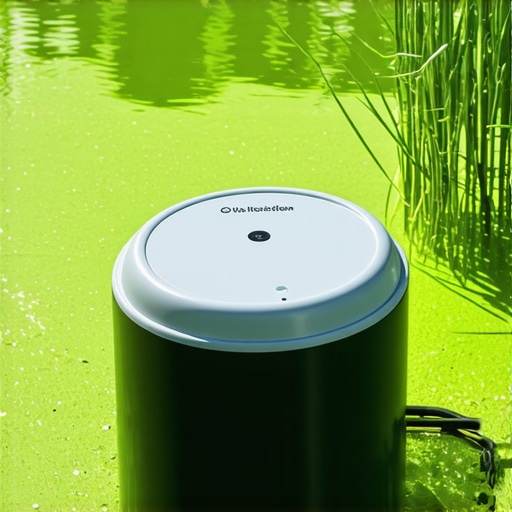
A green pond is a visual indicator of a biological system in total collapse, typically triggered by an excess of nitrates and a failure in gas exchange. When the water turns into pea soup, it means the single-celled algae are outcompeting your beneficial bacteria for nutrients, effectively suffocating the oxygen levels your fish and plants need to survive.
I recently got called out to tear up a $30,000 backyard installation that was sinking and stagnant because the previous contractor didn’t understand hydrostatic pressure or biological load. They installed a massive waterfall but used a filter rated for a goldfish bowl. Within six months, the ammonia spikes killed a dozen high-end koi, and the water turned into a thick, neon sludge. The owner was ready to fill it in with dirt. This wasn’t a maintenance issue; it was an engineering failure. Most ‘pro’ installers ignore the nitrogen cycle because you can’t see it, but as a veteran in this trade, I know that if your mechanical filtration doesn’t capture solids before they hit the bio-media, you’re just building a trash compactor that lives underwater.
“A pond is not a static pool of water; it is a pressurized biological reactor where the balance of dissolved oxygen and nutrient export determines the lifespan of the system.” – Aquaculture Engineering Standards (AES)
How much modified gravel do I need for a pond perimeter?
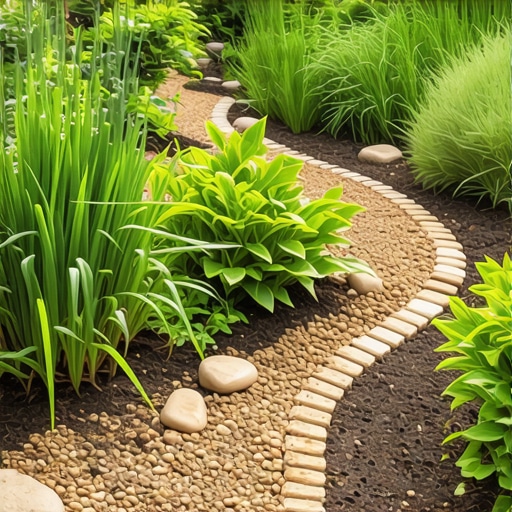
For a standard hardscaping perimeter, you require a 4-inch base of compacted 21A modified gravel to prevent the coping stones from shifting into the shelf. This structural layer ensures that soil movement doesn’t breach the EPDM liner, which would lead to water loss and further nutrient runoff into the pond.
The Chemistry of the Bloom: Nitrates, Phosphates, and Sun
The 2026 algae crisis is largely driven by rising ambient temperatures and improper garden design that allows fertilizer-heavy runoff to enter the water column. When lawn care products containing high phosphorus levels wash into your pond, they act as high-octane fuel for cyanobacteria. Algae doesn’t just appear; it exploits a vacuum left by insufficient beneficial bacteria (Nitrosomonas and Nitrobacter). You must understand the GPH (Gallons Per Hour) requirements of your pump. If your total water volume isn’t circulating through a UV-C clarifier and a biological bed every 60 to 90 minutes, the algae will always win.
The $40 Filter Fix: DIY Bio-Mechanical Augmentation
The secret to clear water isn’t a $2,000 pressurized canister; it’s surface area. Most retail filters have about 10% of the surface area required for a mature bio-film. You can fix this for under $40. Purchase a heavy-duty 5-gallon bucket, a bulkhead fitting, and fill it with crushed lava rock or plastic scrub pads. By routing your pump output through this ‘upflow’ bucket filter before it hits your waterfall, you create a massive aerobic chamber. The lava rock provides millions of microscopic nooks for bacteria to colonize. This bacteria consumes the nitrites that the algae crave. It’s ugly, so you hide it behind hardscaping or bury it in a filter pit. It works. Period.
| Filter Type | Cost Estimate | Maintenance Frequency | Biological Efficiency |
|---|---|---|---|
| Pressurized Canister | $350 – $800 | Weekly | Moderate |
| All-in-One Submersible | $150 – $300 | Every 3 Days | Low |
| DIY Bio-Bucket | $40 – $60 | Monthly | High |
| External Bead Filter | $1,200+ | Bi-Weekly | Very High |
How do I test my pond water for safety?
Use a liquid reagent test kit to measure ammonia, nitrite, nitrate, and KH (Carbonate Hardness). You should aim for 0 ppm ammonia, 0 ppm nitrites, and under 20 ppm nitrates to keep filamentous algae at bay. Strip tests are garbage; they are inaccurate and will lead to chemical burns on your fish’s gills. Check these levels at the same time every week.
Landscaping the Margin: The Role of Aquatic Plants
Stop planting in dirt. When you put a lily or a marginal plant in a pot full of potting soil and drop it in the water, you are literally dumping leachate into your pond. Instead, use aqueous planting techniques. Bare-root your plants and secure them with river stones. This forces the plant to pull its nutrients directly from the water, acting as a living nitrate sponge. Anacharis and Hornwort are excellent oxygenators that compete directly with algae. If you have a ‘dead zone’ in your pond where water doesn’t move, it will stagnate. Use a venturi nozzle or an aeration stone to keep the dissolved oxygen (DO) above 6 mg/L.
“Hypoxia in small-scale water features is the primary driver of anaerobic decomposition, leading to the release of hydrogen sulfide gas.” – Penn State Agricultural Extension
- Inspect the pump intake: Clear debris daily to maintain GPH.
- Check the UV bulb: UV-C bulbs lose effectiveness after 8,000 hours. Replace them every spring.
- Monitor the pH: Dramatic swings between 6.5 and 8.5 will stress the ecosystem.
- Flush the bottom drain: Remove organic sludge (muck) before it turns into a methane source.
- Trim the lilies: Dying pads add to the carbon load. Cut them at the base.
Don’t be the homeowner who dumps ‘Algae-Away’ chemicals into their pond. That’s a temporary fix that leads to a rebound bloom. When the algae dies all at once, it rots. That rot consumes all the oxygen. Your fish die. Instead, address the nutrient load. Lower your fish stocking density. Stop overfeeding. Increase your biological surface area. Your pond is a living thing. Treat it like one. If you can’t manage the nitrogen cycle, stick to a birdbath. Good landscaping requires respect for the biology beneath the surface.
![Why Your 2026 Pond Pump is Making Noise [Easy Fix]](https://lawnmajesty.com/wp-content/uploads/2026/05/Why-Your-2026-Pond-Pump-is-Making-Noise-Easy-Fix.jpeg)