Stop 2026 Weeds with This $30 Pre-Emergent Hack
The Forensic Autopsy of a Failed Lawn
The first sign of a total turf collapse isn’t yellowing grass; it is the visual chaos of crabgrass and poa annua overtaking the root zone. I see it every April. A homeowner calls me in a panic because their yard looks like a botanical graveyard. A homeowner called me in a panic after they completely torched their front lawn by applying a high-nitrogen ‘weed and feed’ during a drought spike, effectively chemical-burning the stolons while leaving the weed seeds untouched. They spent $200 to kill their grass and fertilize their weeds. It was a disaster. The soil was a high-pH wreck, and the root system was non-existent. Most people think weeds are a current-season problem. They are wrong. The weeds you see today were programmed into your soil biology months, sometimes years, ago. If you want a clean yard in 2026, the work starts with a $30 bag of prodiamine and a soil thermometer. It is not about killing weeds; it is about preventing the germination of the 10,000 seeds currently sitting in every square foot of your topsoil.
The $30 Pre-Emergent Hack: Disrupting the Germination Cycle
Stopping 2026 weeds requires applying a selective pre-emergent herbicide like Prodiamine 65 WDG when soil temperatures hit a consistent 55 degrees Fahrenheit for three consecutive days. This $30 chemical intervention creates a vapor barrier in the upper half-inch of soil that inhibits the enzyme responsible for root development in germinating seeds. This is the ‘hack’ that professionals use to avoid expensive post-emergent spraying. You aren’t killing a plant; you are stopping a cell from dividing. If you miss this window, you are chasing your tail for the rest of the year. It will fail. Don’t wait for the calendar. Wait for the thermometer.
“Pre-emergent herbicides are most effective when applied before weed seeds begin to germinate, typically when soil temperatures reach 50 to 55 degrees F at a 2-inch depth for several days.” – Penn State Center for Turfgrass Science
How much modified gravel do I need for a patio base?
While we are talking about soil prep, remember that hardscaping requires the same structural discipline. For a standard patio, you need 6 inches of 21A or CR-6 modified gravel compacted in 2-inch lifts to ensure the base doesn’t settle and allow weed seeds to migrate into the sand joints. Don’t eyeball it. Use a plate compactor. If the base isn’t solid, your pavers will shift, and the hydrostatic pressure will turn your patio into a weed farm.
“A retaining wall doesn’t fail because of the stone; it fails because of the water trapped behind it, which also provides the moisture necessary for invasive seed germination.” – Hardscape Engineering Axiom
The Chemistry of Prevention: Prodiamine vs. Dithiopyr
Understanding the molecular difference between active ingredients is the difference between a clean lawn and a chemical burn. Prodiamine is the gold standard for longevity, often lasting up to five months in the soil, while Dithiopyr provides a ‘reach back’ effect, killing small crabgrass plants that have already sprouted. Use Prodiamine for your primary barrier. It is cheaper and more stable.
| Chemical Name | Cost per 1k Sq Ft | Residual Life | Best Use Case |
|---|---|---|---|
| Prodiamine (Barricade) | $0.50 – $1.00 | 4 to 6 Months | Early spring prevention |
| Dithiopyr (Dimension) | $1.50 – $2.50 | 3 to 4 Months | Late application / Early post-emergent |
| Isoxaben (Gallery) | $3.00 – $5.00 | 6 to 8 Months | Broadleaf specific (Dandelions) |
What temperature kills weed seeds?
Most weed seeds are not killed by cold; they are triggered by warmth and light. To actually denature a weed seed, you would need soil temperatures to exceed 140 degrees Fahrenheit, which would also kill your turf. Therefore, the goal is chemical suppression, not thermal sterilization. You are building a microscopic wall. Stop looking for a ‘natural’ cure that doesn’t exist at scale. Use the science.
- Calibrate your spreader: Use a catch pan to ensure you are dropping exactly 0.5 lbs of active ingredient per acre.
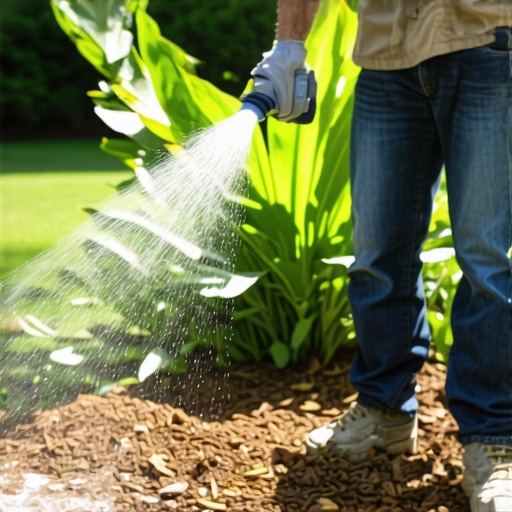
- Water it in: Pre-emergents are useless sitting on top of the grass; they need 0.5 inches of rain or irrigation to reach the soil.
- Avoid aeration: If you aerate after applying pre-emergent, you break the chemical barrier and allow weeds to punch through.
- Check the pH: High alkalinity can break down some herbicides faster than intended.
The Execution: Step-by-Step Soil Shielding
The application process is a matter of civil engineering on a micro scale. First, mow your lawn low to remove excess thatch. Thatch is the enemy of the pre-emergent. It traps the granules and prevents them from reaching the soil surface where the seeds reside. Second, use a broadcast spreader, not a drop spreader, to ensure even distribution without ‘striping’ the lawn. If you leave a 1-inch gap in your coverage, that is where the crabgrass will take hold. Third, time your application before a light rain. If you don’t have rain, you must run your irrigation. The chemical needs to move into the top half-inch of the soil profile to be effective. It is a biological lock. If the key doesn’t turn, the door stays open for weeds. I always drill into my new crew members: if you don’t fix the soil grading and the chemical barrier first, every plant you put in the ground is just expensive compost. Precision matters. Cheap big-box store products often have too much filler. Buy professional-grade dispersible granules. It is worth the extra five dollars. Your 2026 self will thank you when you aren’t pulling weeds in 100-degree heat.
![Why Your 2026 Compost Pile isn't Breaking Down [Fix]](https://lawnmajesty.com/wp-content/uploads/2026/06/Why-Your-2026-Compost-Pile-isnt-Breaking-Down-Fix.jpeg)
![Stop Overwatering Your 2026 Tomato Crop [Drainage Fix]](https://lawnmajesty.com/wp-content/uploads/2026/07/Stop-Overwatering-Your-2026-Tomato-Crop-Drainage-Fix.jpeg)