Stop Over-Pruning Your Hydrangeas If You Want More Blooms
The Apprentice Lesson: Why Shears are the Most Dangerous Tool in the Garden
I always drill into my new crew members: if you don’t understand the difference between old wood and new wood, put the shears back in the truck. I have seen guys with 10 years of experience walk onto a high-end landscape and accidentally cut off $5,000 worth of next year’s flower buds in twenty minutes. It is a biological crime. You cannot treat a Hydrangea macrophylla like a privet hedge. If you shear it into a flat-top box in October, you have just deleted the entire floral display for the following June. Landscaping is not about making things ‘neat’; it is about managing the reproductive cycle of the plant. If you do not respect the terminal bud, the plant will punish you with nothing but green leaves. We are going to look at the forensic evidence of why your bushes are failing and how to fix your timing before you do more damage.
Why your hydrangeas are not blooming this year
The primary reason hydrangeas fail to bloom is improper pruning timing that removes dormant flower buds, winter bud kill caused by late frosts, or excessive nitrogen that forces vegetative growth over floral development. Identifying whether your hydrangea species sets buds on old wood (last year’s growth) or new wood (current season’s growth) is the only way to determine when to cut. If you cut at the wrong time, you are physically removing the biological material required for flowering.
Identifying the Victim: A Species Breakdown
Before you even touch a pair of Felco 2s, you need to know what you are looking at. Not all hydrangeas are built the same. If the leaves are thick and heart-shaped, you likely have a Macrophylla. If they look like oak leaves, it is a Quercifolia. If the flowers are cone-shaped and the leaves are smaller, you are dealing with a Paniculata. This matters because their DNA dictates where the flower primordia form.
| Species Name | Common Name | Bloom Wood | Pruning Window |
|---|---|---|---|
| Hydrangea macrophylla | Mophead / Lacecap | Old Wood | Immediately after summer bloom |
| Hydrangea quercifolia | Oakleaf | Old Wood | Immediately after summer bloom |
| Hydrangea paniculata | PeeGee / Panicle | New Wood | Late winter or early spring |
| Hydrangea arborescens | Smooth / Annabelle | New Wood | Late winter or early spring |
The Forensic Autopsy of a Bloomless Bush
When I get called to a property where the hydrangeas are ‘broken,’ I look for three things. First, I check the tips of the stems. If I see clean, 45-degree angled cuts, I know a ‘mow-and-blow’ crew came through in the fall and decapitated the plant. Second, I look at the nitrogen levels. If the leaves are 8 inches across and deep forest green but there are zero buds, the homeowner is likely dumping high-nitrogen lawn fertilizer too close to the root zone. High nitrogen tells the plant to build a bigger factory (leaves) but skip the product (flowers). Third, I check for winter desiccation. In USDA zones 5 and 6, the plant might survive the winter, but the flower buds, which are less hardy than the wood, die at 0 degrees Fahrenheit.
“Hydrangea macrophylla and H. quercifolia bloom on ‘old wood.’ These plants form their flower buds for the next year in late summer and fall. Pruning them in the winter or early spring will remove the buds.” – University of Georgia Extension
How much can you actually cut from a hydrangea?
You should never remove more than one-third of the total mass of a hydrangea in a single season if you want to maintain its structural integrity. For old-wood bloomers, the goal is ‘renewal pruning.’ You identify the oldest, woodiest stems that are three years or older and cut them down to the ground. This forces the plant to push out new, vigorous basal growth. Leave the younger, one-year and two-year-old stems alone; those are your bloom engines. If you scalp the whole thing to 6 inches, you are resetting the clock for two years of zero flowers.
The Physics of Water and Soil pH
Hydrangeas are not just thirsty; they are hydraulic machines. The name itself comes from ‘hydro,’ and if you don’t have the right hydrostatic pressure in the stems during the heat of July, the plant will sacrifice the flowers to save the root system. But there is a deeper chemical reality. Most people think they can just throw some ‘blue-maker’ chemicals on the soil and get results. It does not work that way. The color change is a reaction to aluminum availability, which is governed by soil pH. If your pH is above 6.5, the aluminum is locked in the soil, and no amount of ‘blue’ fertilizer will change the flower. You need to drop the pH to 5.2 to 5.5 using elemental sulfur or aluminum sulfate to make that aluminum bioavailable.
“The color of hydrangea flowers is not determined by the presence of aluminum alone, but by the acidity of the soil which allows the plant to take up that aluminum.” – Texas A&M Agronomy Manual
How to fix a hydrangea that won’t bloom?
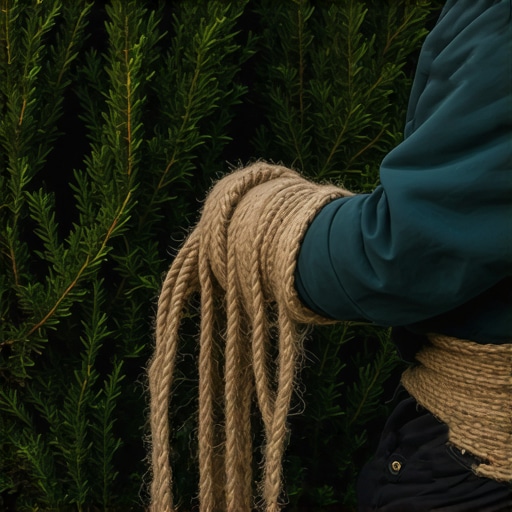
To fix a non-blooming hydrangea, stop pruning in the fall, switch to a low-nitrogen, high-phosphorus fertilizer (look for a middle number like 10-30-10), and protect the dormant buds during late-spring freezes with burlap. If the plant has been sheared for years, it may take one full growing cycle of ‘hands-off’ management to allow the terminal buds to reset. Check your soil pH to ensure nutrient uptake is not being blocked by alkalinity.
The No-Fail Pruning Checklist
Follow this protocol to ensure you never kill a bloom again.
- Identify the wood type: Check if the plant blooms on new growth (spring) or old growth (previous summer).
- Sterilize your tools: Use 70 percent isopropyl alcohol to prevent the spread of Cercospora leaf spot.
- The Three Ds: Only prune Dead, Damaged, or Diseased wood during the active growing season.
- Check the calendar: If it is a Mophead, your window closes by August 1st. If it is a Panicle, you wait until the ground thaws.
- Look for the ‘Eye’: Always prune just above a healthy set of leaf buds (the ‘eye’). Don’t leave long, rotting stubs.
Will my hydrangea grow back if I cut it to the ground?
Yes, most hydrangeas are vigorous growers and will regenerate from the root crown if cut to the ground, but you will sacrifice flowers for at least one to two years. This ‘rejuvenation’ cut should only be used as a last resort for extremely overgrown or diseased plants. For Paniculata species like ‘Limelight,’ this can actually result in larger flower heads, though the stems may be weaker and prone to flopping under the weight of the blooms.
Advanced Care: Beyond the Cut
Hardscaping also plays a role here. If you have hydrangeas planted against a south-facing brick wall, the radiant heat can desiccate the buds in late winter, causing them to break dormancy too early only to be killed by a March freeze. I always recommend planting high-value Macrophyllas on the north or east side of a structure to keep them dormant longer. Also, stop with the mulch volcanoes. Piling 6 inches of dyed hardwood mulch against the base of the stems will cause the bark to rot and encourage fungal pathogens to migrate into the crown. Two inches of pine bark or leaf mold is all you need. Keep the root flare visible. If you treat the soil like a living organism and the shears like a surgical instrument, you will have more blooms than you know what to do with.