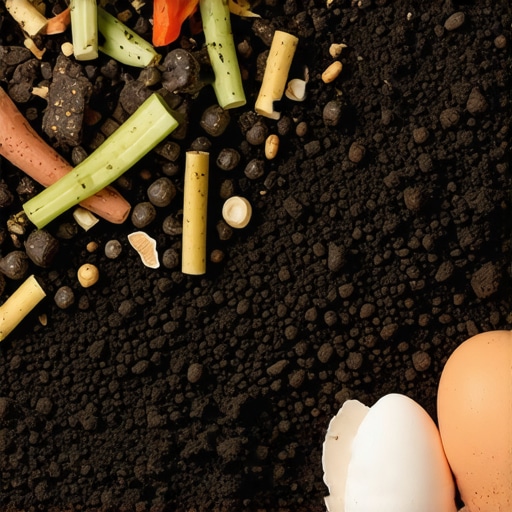
3 Natural Fertilizer Alternatives You Already Have at Home
The Hidden Truth About Homegrown Fertilizer Alternatives
Natural fertilizers like coffee grounds, eggshells, and banana peels provide essential macronutrients while fostering soil microbiology. Unlike synthetic salts, these household materials break down slowly, preventing nutrient leaching and improving the cation exchange capacity of the soil for long-term landscape health. Success requires understanding the decomposition rate and the chemical interaction between these amendments and the existing soil profile.
The Chemical Nightmare: A Lesson in Soil Burn
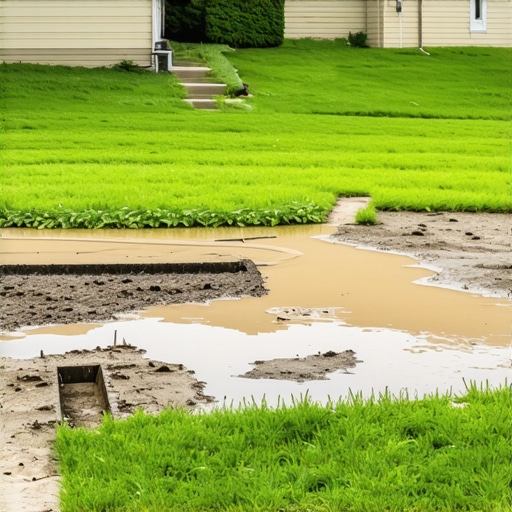
I recently walked onto a property where the homeowner had effectively sterilized their entire front yard. They had purchased a high-nitrogen, synthetic “quick-green” fertilizer from a big-box store and applied it at triple the recommended rate during a heatwave. The lawn didn’t just turn brown; it was chemically scorched. The high salt index of the synthetic fertilizer sucked the moisture right out of the turf roots via osmotic pressure. When I pulled a core sample, the soil was lifeless. No earthworms, no fungal hyphae, just compacted, salty dirt. This is the reality of relying on fast-fixes. We had to spend six months hydrating the soil and introducing organic humates just to get a blade of fescue to germinate again. It was a $5,000 mistake that could have been avoided by focusing on slow-release organic inputs. Soil is a living respiratory system, not a sponge for chemicals. If you don’t respect the microbial community, you are just waiting for a structural failure.
“Organic matter is the foundation of soil health, providing the carbon necessary to fuel the microbial processes that make nutrients available to plants.” – Penn State Extension
1. Used Coffee Grounds: The Nitrogen Engine
Used coffee grounds function as an effective organic soil amendment by providing a nitrogen source that stimulates microbial activity within the soil food web. These grounds possess a carbon-to-nitrogen (C:N) ratio of approximately 20:1, making them an excellent fuel source for the bacteria that break down organic matter. When integrated correctly, they improve soil tilth and aggregate stability in both clay and sandy profiles.
You might have heard that coffee grounds are highly acidic. That is a myth. While the coffee liquid is acidic, the grounds themselves are relatively neutral, typically hovering between 6.5 and 6.8 on the pH scale after brewing. The acidity is water-soluble and ends up in your cup, not your garden. The real value is in the 10.3 to 10.4 percent nitrogen content. I tell my crew to think of coffee grounds as a slow-drip IV for the soil. They don’t provide a massive spike in growth, but they sustain the bacterial colonies that fix nitrogen near the root zone. You should never just dump a thick layer of grounds on top of the soil. This creates a hydrophobic barrier. Water will bead off the top and your plants will dehydrate. You must scratch them into the top two inches of the soil or mix them into a compost pile at a ratio of no more than 20 percent by volume.
Are coffee grounds good for grass?
Coffee grounds are beneficial for turfgrass because they provide a slow-release form of nitrogen that promotes chlorophyll production without the risk of fertilizer burn associated with synthetic salts. By top-dressing a lawn with a thin layer of grounds, you encourage earthworm activity, which naturally aerates the soil and reduces thatch buildup.
2. Crushed Eggshells: Structural Calcium for Cell Integrity
Crushed eggshells serve as a potent source of calcium carbonate, an essential mineral that strengthens plant cell walls and helps regulate soil pH levels. In landscaping and garden design, maintaining adequate calcium levels is critical for preventing physiological disorders like blossom end rot in tomatoes and tip burn in leafy greens. This mineral acts as a secondary messenger in many plant signaling pathways.
Calcium is the “glue” of the plant world. It forms calcium pectate, which holds the cell walls together. Without it, the plant literally collapses at the cellular level. Most people just toss a few whole shells into the dirt and call it a day. That does nothing. A whole eggshell can sit in the ground for five years without breaking down. To make that calcium bioavailable, you need to pulverize the shells into a fine powder using a blender or mortar and pestle. The more surface area you create, the faster the soil acids can break down the carbonate. I have seen guys try to fix a calcium deficiency in the middle of a growing season by throwing shells around. It won’t work that fast. This is a long-term engineering strategy. You apply the powder in the fall so it has the winter months to integrate into the soil structure.
“Calcium is often the most overlooked nutrient in home landscapes, yet it is vital for nutrient uptake and the structural development of woody plants.” – Texas A&M Agrilife Extension
How do you apply eggshells to garden soil?
To effectively apply eggshells to garden soil, you must first dry the shells, then grind them into a fine powder to maximize surface area for microbial decomposition. Incorporate this powder directly into the root zone or planting hole to ensure the calcium is accessible to the plant’s vascular system during periods of peak growth.
3. Banana Peels: The Potassium Powerhouse
Banana peels are a rich source of potassium, which is a critical macronutrient responsible for enzyme activation, photosynthesis, and osmoregulation within the plant. By introducing organic potassium into the soil, you enhance the plant’s ability to resist drought stress and winter kill, making it a staple for resilient landscaping. These peels also contain trace amounts of phosphorus, magnesium, and sulfur.
In the trade, we call potassium the “regulator.” It controls the opening and closing of the stomata—the tiny pores on the leaves. If a plant doesn’t have enough potassium, it can’t regulate gas exchange or water loss effectively. It wilts even when the soil is wet. Banana peels are about 42 percent potassium by dry weight. But don’t just bury a whole banana peel under a rose bush. As the peel rots, it can attract pests and, if buried too deep, it can create an anaerobic pocket that promotes root rot. Instead, I recommend “banana tea” or chopping the peels into half-inch squares. If you are serious about your hardscaping and garden design, you want your plants to have the turgor pressure necessary to stand tall against stone walls and structures. Potassium provides that internal pressure.
Comparing Natural Scraps vs. Synthetic Fertilizers
| Feature | Household Alternatives | Synthetic Fertilizer |
|---|---|---|
| Release Rate | Slow (weeks to months) | Fast (days) |
| Soil Biology | Enhances microbes | Often kills microbes |
| Risk of Burn | Extremely Low | High |
| Cost | Free (Waste product) | $20 – $100 per bag |
| Micronutrients | Rich/Diverse | Usually None |
A Pro-Grade Checklist for Organic Soil Amendment
- Test your soil pH before adding any amendments to ensure you aren’t over-correcting.
- Always dry and grind eggshells into a powder; whole shells are useless for immediate nutrition.
- Incorporate coffee grounds into the soil rather than layering them on top to prevent water runoff.
- Chop banana peels into small pieces to accelerate the decomposition process.
- Use a variety of scraps to ensure a balanced N-P-K (Nitrogen, Phosphorus, Potassium) profile.
- Monitor for pests; excessive uncomposted organic matter can attract rodents or fungus gnats.
Landscaping is not about what you put on the lawn; it is about what you put in the soil. If the foundation is weak, the entire project will fail. Stop looking for the silver bullet in a plastic bag and start looking at the biology in your kitchen. Your soil will thank you.