How to Edge Your Lawn with a Simple Spade Like a Pro
The Physics of the Victorian Edge
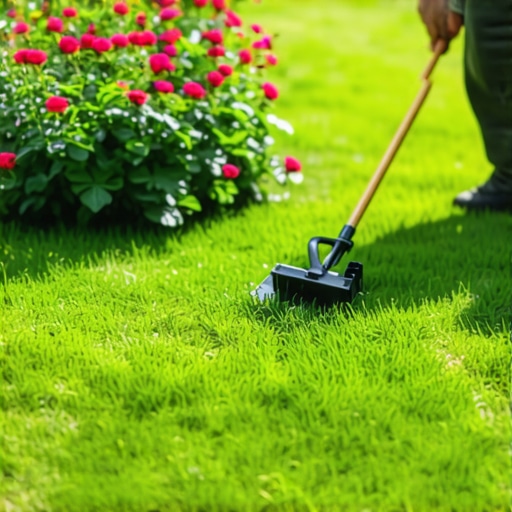
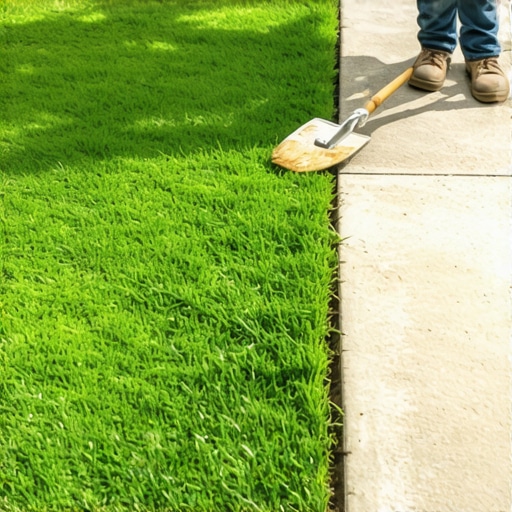
To edge your lawn with a simple spade like a pro, you must execute a 90-degree vertical cut at a minimum depth of 4 to 6 inches using a sharpened half-moon or flat-head spade. This method, often called the Victorian Edge, creates a structural trench that physically severs rhizomes and prevents stoloniferous turfgrass from encroaching into ornamental beds while providing a natural drainage break.
I always drill into my new crew members: if you don’t fix the soil grading first, every plant you put in the ground is just expensive compost. Last year, I saw a homeowner try to edge their lawn using a dull, rusted shovel. They didn’t understand that they weren’t just making a line; they were performing surgery on the root system. By the time I arrived, they had ripped up the crown of their Kentucky Bluegrass, leaving the soil structure completely compromised and the bed open to erosion. A spade edge isn’t just a cosmetic boundary; it is a technical barrier designed to manage the hydrostatic pressure of the mulch bed and the aggressive lateral growth of the turf.
Tools of the Trade: Why Your Spade is Probably Too Dull
The success of a hand-edged lawn depends entirely on the mechanical sharpness of the spade’s leading edge and the PSI applied during the initial plunge. A professional-grade spade should be made of 12-to-14 gauge tempered steel, which allows it to slice through compacted silt and clay without buckling or deflecting off subterranean stone.
“A clean edge is the primary defense against invasive turfgrass species; without a vertical break of at least four inches, rhizomatous roots will bypass the barrier within weeks.” – Agricultural Extension Handbook on Turf Management
Before you even step into the yard, you need to address the tool. Most big-box store spades have a rounded, blunt edge. You need to take a mill file and create a 45-degree bevel on the front side of the blade. This turns the spade from a blunt instrument into a precision cutting tool. In heavy clay soils, a dull blade won’t cut; it will compact. Compaction at the edge leads to root rot because water can’t penetrate the vertical wall of the trench. It will fail. You must sharpen it.
How much depth do I need for a clean lawn edge?
A professional lawn edge requires a depth of at least 4 to 6 inches to effectively stop the lateral movement of turf roots and rhizomes. Cutting shallower than 4 inches allows Kentucky Bluegrass and Bermuda grass to send shoots underneath the gap, rendering the aesthetic effort useless within a single growing season.
The Ground-Up Build: Materials and Specifications
Planning is 80% of the job. You aren’t just digging a hole. You are creating a structural shelf. Before you start, you must assess the soil’s moisture content. We look for the ‘plasticity limit.’ If the soil is too dry, it will crumble and your edge will look like a jagged mess. If it’s too wet, you will destroy the soil’s pore space, leading to anaerobic conditions. You want it damp but firm.
| Edging Method | Longevity | Maintenance Frequency | Initial Cost |
|---|---|---|---|
| Victorian (Spade) Edge | 3-6 Months | Bi-annual | Low (Labor Only) |
| Plastic Strip Edging | 1-2 Years | Annual Reset | Medium |
| Steel/Aluminum Plate | 10-15 Years | Minimal | High |
| Concrete Curbing | 20+ Years | Low | Extreme |
Notice the spade edge has the lowest cost but requires the highest technical skill. It is the gold standard for high-end estates because it allows for dynamic garden design changes. You aren’t locked into a permanent plastic rail that will eventually heave during a freeze-thaw cycle. In areas with heavy frost, like the Northeast, plastic edging is a nightmare. It will pop out of the ground like a spring. The spade edge is immune to this physics.
The Installation Process: The Vertical Shear
Follow this checklist to ensure your edge holds its structural integrity throughout the season:
- Define the Radius: Use a garden hose or a heavy-duty string line to mark your curve. For straight lines, a chalk line or tight mason’s string is mandatory.
- The First Plunge: Stand on the mulch bed side, not the grass side. Drive the spade vertically 6 inches down. Do not tilt the handle yet.
- The Lever Action: Once the blade is at full depth, pull the handle toward you slightly to create a ‘V’ shaped opening.
- The Cleanout: Use a hand trowel or the spade itself to remove the wedge of soil and turf. This soil goes into the wheelbarrow, not back into the bed.
- The Mulch Shelf: The bed side should be angled at roughly 45 degrees, while the turf side remains a 90-degree cliff.
“Structural soil failure at the transition zone is the leading cause of weed encroachment in ornamental landscapes.” – ICPI Hardscape Engineering Manual
How do I keep my lawn edge straight without a machine?
To keep a lawn edge straight without a machine, you must use steel landscape pins and a high-tension mason line set exactly two inches back from the desired cut line. By using the string as a constant visual reference for the back of the spade blade, you eliminate the parallax error that causes jagged, uneven edges.
Maintenance and Long-Term Stability
Once the edge is cut, it is not ‘done.’ You have to manage the erosion. If you leave the trench empty, the wall will collapse. You need to backfill the bed with a high-quality, double-shredded hardwood mulch. Do not use those dyed wood chips from the big-box stores. Those are often made from ground-up pallets and contain chemicals that mess with the soil pH. Use organic mulch that will break down and feed the soil biology. However, keep the mulch 1 inch below the top of the grass line. If you overfill it, the mulch will wash onto the lawn during the first heavy rain. It will rot the grass crown. Don’t skip this. A spade-cut edge needs a ‘refresh’ twice a year: once in early spring and once in late fall to clean up any ‘slumping’ of the soil wall. This keeps the boundary crisp and the root-severing active. If you stay on top of it, the job takes twenty minutes. If you wait three years, you’re starting from scratch.