5 Best 2026 Trees for Small Suburban Front Yards
Designing for Longevity in the Modern Suburban Landscape
Successful landscape design begins long before a shovel touches the dirt. In my twenty years running a firm, I have seen thousands of dollars wasted on nursery stock that never stood a chance because the homeowner prioritized aesthetics over site-specific engineering. For 2026, the trend in landscaping focuses on climate-resilient, compact species that provide structural integrity without encroaching on hardscaping or sewer lines. You must treat your front yard as a biological system where soil pH, drainage, and utility proximity dictate the survival of your investment.
The Apprentice Lesson: Why Grading Trumps Plant Choice
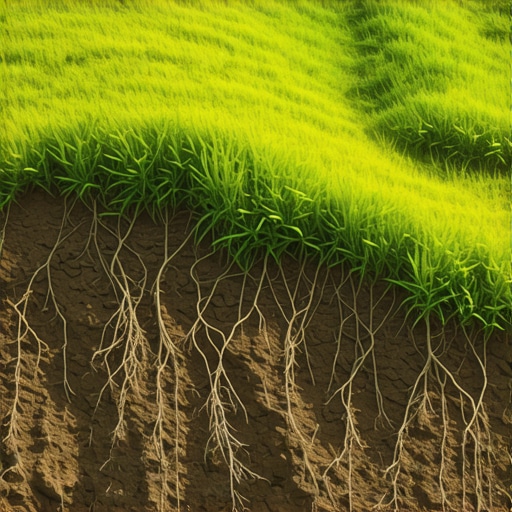
I always drill into my new crew members: if you don’t fix the soil grading first, every plant you put in the ground is just expensive compost. Last season, I had a greenhorn try to plant a $500 specimen tree in a depression where water pooled after every rain. I made him dig it up and sit there for an hour watching the water fail to infiltrate the heavy clay. If the soil doesn’t breathe, the roots suffocate. We spent the next three days regrading the entire front lot to ensure a 2 percent slope away from the foundation before a single root ball went into the earth. That is the difference between a contractor and a hack.
What are the best trees for small yards in 2026?
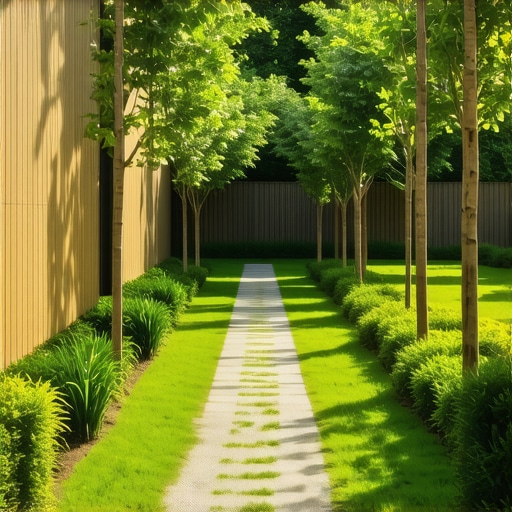
The best 2026 trees for small suburban front yards include the Shantung Maple, ‘Rising Sun’ Redbud, and Columnar Hornbeam. These species are selected for their compact root structures, high drought tolerance, and resistance to common pests, making them ideal for proximity to driveways and walkways without causing structural heave.
| Tree Species | Max Height (ft) | Growth Rate | Soil Preference | Hardiness Zone |
|---|---|---|---|---|
| Shantung Maple | 25 | Moderate | Adaptable/Clay | 4-8 |
| Rising Sun Redbud | 12 | Slow | Well-drained | 5-9 |
| Serviceberry | 20 | Moderate | Acidic Loam | 4-9 |
| Japanese Snowbell | 30 | Slow | Moist/Organic | 5-9 |
| Columnar Hornbeam | 35 | Moderate | Heavy Clay | 4-8 |
1. The Shantung Maple (Acer truncatum)
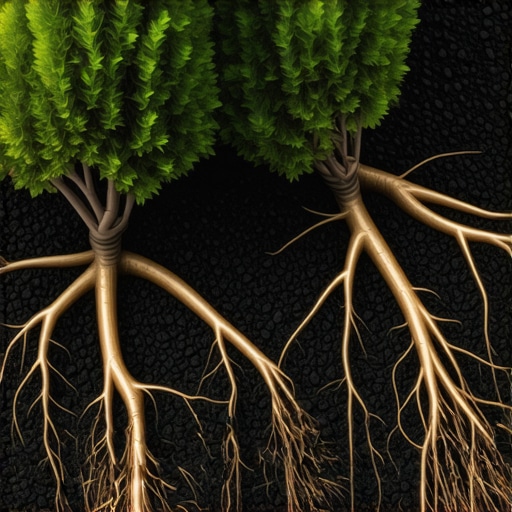
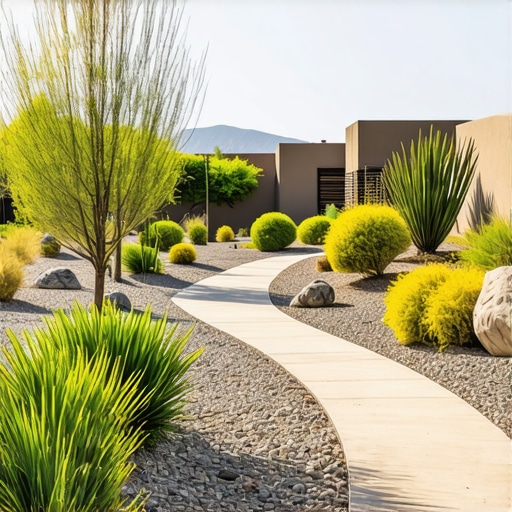
This is not your average silver maple that will rip up your sidewalk in ten years. The Shantung Maple is a tough-as-nails specimen that handles high-alkaline soils and urban heat islands with ease. Its root system is deep and non-aggressive, which is critical if you have invested in professional hardscaping like a paver driveway or a natural stone walkway. In terms of garden design, its star-shaped leaves provide a refined texture that big-box store trees simply cannot match. It is a biological powerhouse that maintains a manageable 25-foot canopy.
2. ‘Rising Sun’ Redbud (Cercis canadensis)
For the smallest footprints, this cultivar is king. It rarely exceeds 12 feet in height, making it perfect for planting under power lines. The ‘Rising Sun’ offers a unique color gradient throughout the growing season, but from a horticultural perspective, its value lies in its adaptability to different lawn care regimens. It doesn’t mind the extra nitrogen that often leaches from turf fertilization, though you should always maintain a proper mulch ring to prevent trunk rot from mowers and weed whackers.
“A retaining wall doesn’t fail because of the stone; it fails because of the water trapped behind it.” – Hardscape Engineering Axiom
3. Apple Serviceberry (Amelanchier x grandiflora)
If you want a tree that works for its space, the Serviceberry is the choice. It offers four-season interest and is a native species in many regions, which means it supports local pollinators better than exotic imports. From an engineering standpoint, its multi-stem or single-stem forms are highly flexible. It thrives in the organic-rich horizons of the soil but requires a neutral to slightly acidic pH. If your soil test comes back high in lime, you will need to amend the planting hole with elemental sulfur to ensure iron uptake.
4. Japanese Snowbell (Styrax japonicus)
The Snowbell is for the homeowner who values structural form. It has a horizontal branching habit that provides a sense of scale in a small yard. However, it requires precise moisture management. It will not tolerate the compacted, anaerobic