Why You Should Wait Until Spring to Prune Certain Shrubs
Why You Should Wait Until Spring to Prune Certain Shrubs: The Science of Dormant Heading
I always drill into my new crew members: if you don’t fix the soil grading first, every plant you put in the ground is just expensive compost. Pruning is no different. You aren’t just shaping a plant; you’re performing surgery on a living vascular system. I have spent 20 years fixing the disasters left behind by ‘mow and blow’ contractors who think a pair of gas-powered hedge trimmers and a lack of botanical knowledge are all they need. They hack away in October because they want the yard to look ‘tidy’ for the winter, and by April, they are calling me to replace $15,000 worth of dead boxwoods and hydrangeas. Pruning at the wrong time is a death sentence for the vascular cambium. It is not about aesthetics. It is about biology.
The Biological Rationale for Spring Pruning
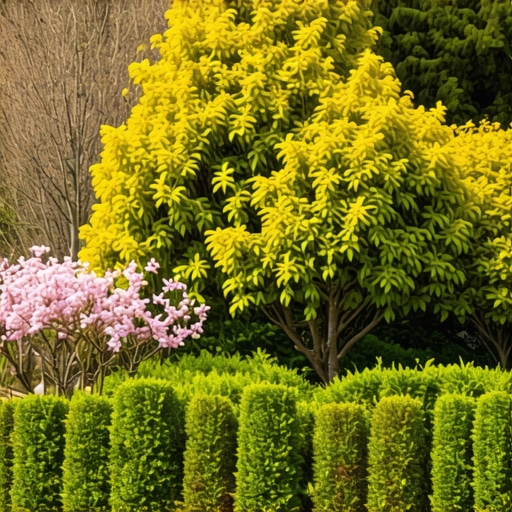
Pruning certain shrubs in spring ensures that dormant wood remains protected from winter desiccation and bacterial canker. By waiting until the plant emerges from its carbohydrate storage phase, you maximize the wound response and prevent the removal of flower buds formed on old wood. When you make a cut in late autumn, you are opening a door. You are inviting pathogens in. You are also signaling the plant to potentially break dormancy. If a warm spell hits in November, that plant might try to push new growth. That new growth has the structural integrity of wet tissue paper. The first hard freeze will turn those cells into ice crystals, rupturing the cell walls and leading to systemic dieback. It is a rookie mistake. Don’t make it. [IMAGE_PLACEHOLDER]
“A plant’s ability to compartmentalize a wound is significantly reduced during periods of deep dormancy, as the metabolic processes required for callous formation are at a standstill.” – Horticultural Science Manual, 4th Ed.
The Physics of the Branch Collar
Every cut you make must respect the branch collar. This is the swollen area at the base of a branch where it meets the trunk or a larger limb. It contains a unique chemical barrier called the Branch Bark Ridge. If you flush-cut a branch, you destroy this barrier. If you leave a stub, you invite rot. The goal of waiting until the sap begins to flow in early spring is to ensure the plant can immediately begin the process of CODIT (Compartmentalization Of Decay In Trees). This isn’t just theory. It is civil engineering for organisms. You want that wound to seal before the fungi of summer become active, but after the brutal desiccation of winter has passed.
Which Shrubs Require the Wait?
Not every plant follows the same rulebook. We categorize them by bloom time and wood age. If you prune a Forsythia or a Lilac in the spring before it blooms, you are cutting off this year’s show. However, for many structural shrubs and summer-bloomers, the spring is your only window for success. Consider the following breakdown for your garden design and maintenance schedule:
| Shrub Species | Bloom Wood Type | Optimal Pruning Window | Technical Justification |
|---|---|---|---|
| Hydrangea Macrophylla | Old Wood | Late Spring (After Bud Break) | Prevents removal of terminal flower buds. |
| Panicle Hydrangea | New Wood | Late Winter / Early Spring | Encourages vigorous growth and larger panicles. |
| Butterfly Bush (Buddleia) | New Wood | Early Spring | Pruning to 12 inches prevents leggy, weak stems. |
| Boxwood | N/A (Evergreen) | Late Spring | Avoids winter bronzing of freshly cut leaf margins. |
| Rose of Sharon | New Wood | Early Spring | Stimulates heavy flowering on current season growth. |
What happens if I prune too early in the winter?
Pruning in early winter is a gamble with the plant’s moisture reserves. In USDA hardiness zones 5 through 7, we deal with desiccating winds. An open pruning wound acts like a straw, pulling moisture out of the stems while the roots are frozen and unable to replenish it. This leads to tip dieback. You will find yourself pruning the same branch twice: once in December and again in April to remove the dead wood you caused. It is a waste of labor and plant energy. Wait for the buds to swell. The plant will tell you when it is ready. It doesn’t care about your weekend schedule.
How much should I remove during spring rejuvenation?
The ‘One-Third Rule’ is the gold standard in landscaping. You should never remove more than 33 percent of the total leaf-bearing canopy in a single season. If a shrub is severely overgrown, you handle it over a three-year cycle. Removing too much at once shocks the root system. The roots have spent all winter storing energy to support a specific amount of canopy. If that canopy is gone, the resulting surge of nitrogen-heavy ‘sucker growth’ is weak and prone to aphids. Use sharp bypass pruners. Anvil pruners crush the stem. Crush wounds lead to necrosis. Use Felco or ARS brands. If you use cheap big-box tools, you get cheap results.
“Pruning during the active growth phase of early spring allows for the rapid development of woundwood, which is the plant’s primary defense against heart rot and structural failure.” – ISA Arboriculture Guidelines
The Hardscape Overlap: Why Pruning Matters for Patios
In hardscaping, we worry about clearance. I see many patios where shrubs were planted too close to the pavers. Over-pruning to keep a shrub off a walkway is a constant battle. If you wait until spring, you can see exactly where the new growth will head. You can perform ‘directional pruning’ by cutting back to a bud that faces away from your hardscape. This reduces the need for constant shearing. Shearing is the mark of a hack. It creates a ‘birds nest’ of dead twigs inside the shrub. Thinning cuts are what a professional uses. They allow light and air into the center of the plant. Airflow prevents powdery mildew. Light prevents interior leaf drop.
- Inspect tools for rust and sharpness before the first cut.
- Identify the branch collar and avoid flush cuts at all costs.
- Check the 10-day forecast; avoid pruning right before a deep freeze.
- Disinfect blades with 70 percent isopropyl alcohol between different plants to stop the spread of blight.
- Remove the three Ds first: Dead, Damaged, and Diseased wood.
Is it ever okay to prune in late fall?
The only time I touch a saw in November is for safety. If a branch is rubbing against a roof or is structurally compromised and likely to break under snow load, take it out. Otherwise, put the tools away. Focus on your lawn care. Focus on your soil pH. Leave the shrubs alone. They have a job to do: surviving the winter. Every leaf and stem left on the plant provides a small amount of insulation and carbohydrate storage. Don’t rob the plant of its winter coat just because you want the garden to look neat for the holidays. Real garden design accounts for the ‘brown phase’ of winter. It is part of the cycle.