
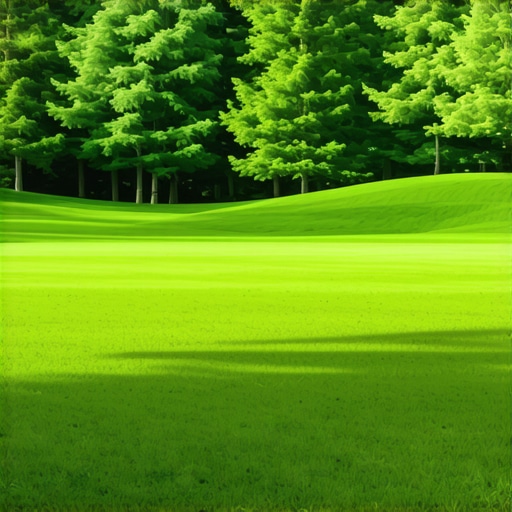
The Best Way to Transition from Your Lawn to a Wooded Area
A successful transition from a manicured turf lawn to a wooded area requires a deep understanding of the ecotone, the transitional zone between two biological communities. Most homeowners fail here because they try to force a hard, sterile line where nature demands a gradient of soil microbiology and root architecture. To do this right, you must manage the shift from bacterial-dominant turf soil to the fungal-dominant forest floor while controlling invasive species and moisture levels. Forget the plastic edging; we are talking about engineering a biological buffer.
The Apprentice Lesson: Why Grading Prevents Ecological Failure
I always drill into my new crew members: if you don’t fix the soil grading first, every plant you put in the ground is just expensive compost. I remember a job in a high-density neighborhood where the owner wanted a clean transition from his Kentucky Bluegrass to an old-growth oak stand. The previous contractor had piled six inches of heavy mulch right against the root flares of the trees and ignored the fact that the lawn sloped directly into the woods. During the first heavy spring rain, that mulch became a dam, trapping three inches of standing water against the oaks. Within two seasons, the secondary phloem of those trees was rotting, and the lawn was a muddy mess of sedges and anaerobic soil. We had to excavate the entire edge, re-grade for a 2% slope away from the root zones, and install a swale to move that hydrostatic pressure elsewhere. Do not skip the prep work. If the water doesn’t move, your plants won’t breathe.
Understanding the Managed Ecotone for Property Transitions
The best way to transition from your lawn to a wooded area is to install a multi-layered buffer zone that utilizes native understory plants, organic mulch, and a defined mechanical edge. This structure prevents turfgrass encroachment into the woods and protects tree root systems from the damaging salts found in most synthetic fertilizers. By creating a tiered height system, you mimic the natural forest edge, which increases biodiversity and improves the structural integrity of your landscape design. The transition should be at least 3 to 5 feet wide to be effective. It must be wide enough to allow for gas exchange in the soil. Anything less is just a strip of weeds.
“The transition zone between forest and open field is where the highest level of biological activity occurs, requiring careful management of soil organic matter to prevent nutrient runoff into sensitive forest ecosystems.” – Agricultural Extension Office Soil Manual
Why Soil pH Matters in Transition Zones
Lawns typically thrive in a slightly acidic to neutral pH of 6.5 to 7.0, whereas forest soils, especially under pine or oak canopies, can drop to a pH of 4.5 to 5.5. When you transition these areas, you cannot treat the soil with a one-size-fits-all 10-10-10 fertilizer. You need to test the soil at the drip line. If you lime your lawn too close to the woods, you risk inducing iron chlorosis in your trees. Use a drop spreader for precision. Never use a broadcast spreader near the edge. You will regret the nutrient loading when the invasive vines start climbing your timber.
How much modified gravel do I need for a transition path?
If you are adding a hardscaped path through the transition, you must calculate for a 4-inch compacted base of 21A or 3/4-inch modified gravel. This requires approximately 1.25 tons of material per 100 square feet. Use a vibratory plate compactor. Anything less than 95% compaction will lead to paver shifting and heaving during freeze-thaw cycles. Do not settle for thin stone layers.
The Five-Step Installation Blueprint
This process follows a ground-up engineering approach to ensure long-term stability and plant health.
- Step 1: Mechanical Edging. Use a power edger or a sharp spade to cut a 4-inch deep vertical trench between the turf and the new bed. This creates a physical air gap that stops rhizomatous grass roots like Bermuda or Zoysia from invading.
- Step 2: Grade Correction. Ensure the soil level at the tree side is lower than the lawn side. Never add soil over existing tree roots. Even two inches of extra soil can suffocate the feeder roots in the O-horizon.
- Step 3: Pre-Emergent Application. Apply a pre-emergent herbicide like Prodiamine to the cleared area to prevent weed seeds from germinating in the disturbed soil.
- Step 4: Planting Native Understory. Install plants in a staggered triangular pattern. Choose species like Oakleaf Hydrangea, Serviceberry, or Fothergilla. Ensure you do not bury the root flare. It must be visible.
- Step 5: Mulching. Apply 3 inches of triple-shredded hardwood mulch. Keep it 6 inches away from the trunks. Mulch volcanoes are a death sentence.
| Material Type | Best Use Case | Durability Rating | Microbiology Impact |
|---|---|---|---|
| Triple-Shredded Hardwood | Standard transition beds | High | Increases Fungal Ratios |
| Pine Straw | Acid-loving plants/Steep slopes | Medium | Lowers pH Over Time |
| River Rock (Hardscape) | Drainage swales/High runoff | Extreme | Neutral/Heat Retaining |
| Wood Chips (Arborist) | Deep woodland interiors | High | High Carbon Sequestration |
What are the best plants for a shade-to-sun transition?
Selecting the right cultivars involves matching the USDA Hardiness Zone with the specific light infiltration of your edge. For partial shade transitions, Heuchera (Coral Bells) and Tiarella (Foamflower) provide excellent ground cover that suppresses weeds without competing for nitrogen with the larger trees. For the taller middle layer, Viburnum species offer high ornamental value and wildlife support. Avoid English Ivy or Burning Bush. These are invasive species that will escape into the forest and choke out your hardwoods. Stick to the natives. Your local extension office has a list for a reason. Use it.
“A retaining wall doesn’t fail because of the stone; it fails because of the water trapped behind it.” – Hardscape Engineering Axiom
Maintenance and Long-Term Stability
Once the transition is installed, the first year is critical for root establishment. You must water deeply and infrequently. Turf grass needs exactly 1 inch of water per week to force roots to chase the water down into the subsoil. The transition bed needs a drip irrigation line on a separate zone. Overhead sprayers are useless here; the water just evaporates off the leaf surface or gets caught in the canopy. Check the mechanical edge twice a year. It will fill with debris. Clean it out with a shovel. If you let the grass bridge that gap, you’ve lost the battle. Also, watch for voles. They love the cover of a thick transition bed. If you see tunnels, address it immediately with repellents or trapping before they girdle your new shrubs. This isn’t a “set it and forget it” project. It’s a managed ecosystem. Treat it with the respect it deserves, and it will stabilize your property for decades. Forget the shortcuts. They lead to rot.
![Building a Hidden Trash Can Screen [DIY 2026]](https://lawnmajesty.com/wp-content/uploads/2026/09/Building-a-Hidden-Trash-Can-Screen-DIY-2026.jpeg)
![Fixing Muddy Side Yards for Under $100 [Fast Fix]](https://lawnmajesty.com/wp-content/uploads/2026/09/Fixing-Muddy-Side-Yards-for-Under-100-Fast-Fix.jpeg)