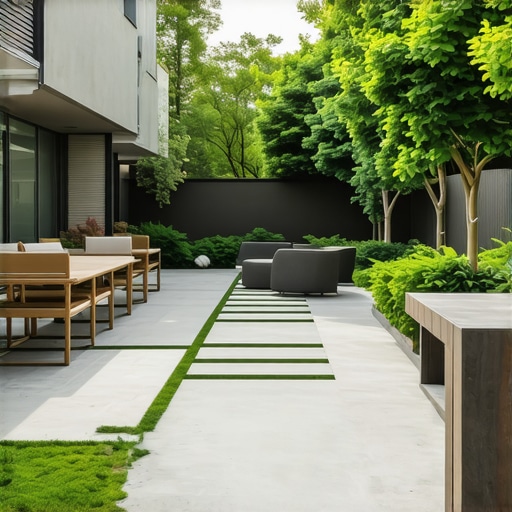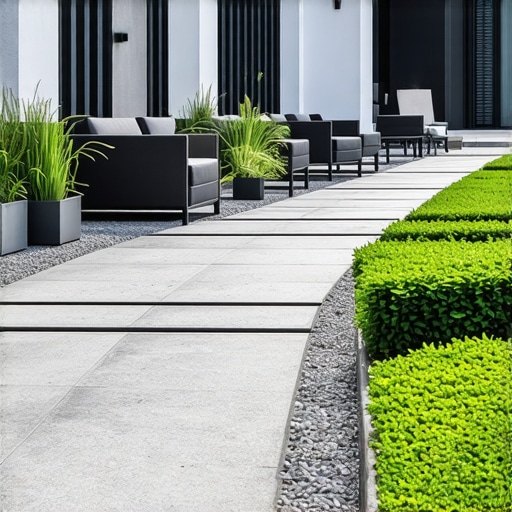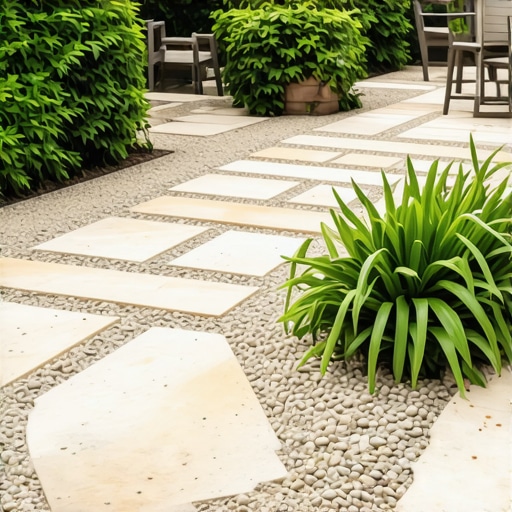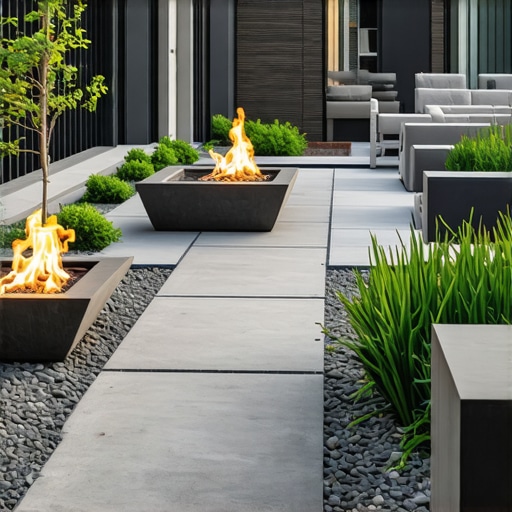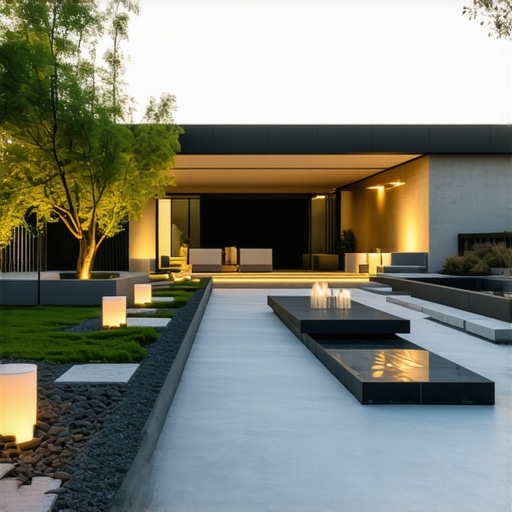
I remember the exact moment I realized my backyard was stuck in a rut. It was a sweltering summer evening, and I was desperately trying to relax outdoors. But all I saw was a dull concrete patio, uninspiring landscaping, and a space that felt more like an afterthought than a personal retreat. Frustration washed over me. It was then I understood: traditional outdoor designs just don’t cut it anymore. If you’ve faced the same struggle—looking out at a space that doesn’t reflect your style or meet your needs—know that you’re not alone. The good news? There are innovative hardscaping ideas that can completely elevate your outdoor space in 2025, making it a true extension of your home and personality.
Why Hardscaping is the Future of Outdoor Design
Hardscaping isn’t just about laying stones or installing a patio. It’s about creating a functional, beautiful, and sustainable environment that enhances your property’s value and your quality of life. As urban spaces become more compact and climate change prompts us to think more sustainably, hardscaping offers a versatile solution that combines aesthetics with practicality. For instance, incorporating permeable pavers not only looks sleek but also helps manage stormwater runoff—a fact backed by recent studies indicating that eco-friendly hardscaping can reduce water waste and improve urban resilience (learn more about effective strategies here).
In 2025, the most forward-thinking homeowners are embracing innovative materials and designs—think concrete with embedded LED lighting, modular pavements for easy updates, or natural stone landscapes that blend seamlessly with the environment. These ideas aren’t just trendy; they’re practical solutions that can transform an ordinary yard into a stunning outdoor retreat.
Are Hardscaping Trends Actually Worth the Hype?
Early in my journey, I made the mistake of thinking that hardscaping was just a superficial upgrade. I poured money into flashy stones and fancy tiles without considering the long-term maintenance or the overall harmony of the design. That was a costly mistake. The truth is, innovative hardscaping isn’t about quick fixes; it’s about creating a durable, cohesive space that lasts. When done right, it can elevate your entire landscape and drastically improve your outdoor experience. If you’re curious about how to do it right, I recommend exploring cornerstone strategies like those detailed in effective hardscaping strategies or the latest trends to modernize your outdoor area.
Now, let’s dive into some of the most exciting ideas for 2025 that can revolutionize your outdoor living area, starting with smart, sustainable, and stunning hardscaping designs that balance style and function.
,
Start with a Clear Plan and Design Layout
My first step was to sketch out my backyard on paper, imagining how I wanted the flow to be. Think of this like designing a blueprint for a house — every detail matters. Measure your space accurately, identify focal points, and decide what features are must-haves, such as a fire pit or a water feature. Use tools like digital landscape planners or simple graph paper to visualize the layout. This initial step ensures you avoid costly mistakes and streamline the execution process.
Select Durable and Stylish Materials
Once I had the layout, I researched materials. I chose permeable concrete pavers embedded with LED lights for pathways, blending sustainability with modern tech. When selecting materials, consider durability, maintenance, and aesthetic compatibility. For example, natural stone can add elegance, while concrete is versatile and cost-effective. Think of your hardscape as the skeleton of your outdoor space — it needs to be both resilient and appealing. To deepen your understanding, explore effective hardscaping strategies.
Prepare the Site Thoroughly
Preparation is crucial. I marked the layout and excavated areas, removing existing grass and debris. Leveling the ground is like setting a strong foundation for a building; it prevents uneven settling. Use a gravel base for stability, especially under heavier materials like natural stone. Compact the base thoroughly with a tamper, ensuring the surface is even. This step minimizes future shifting or cracking, saving you time and money in repairs.
Install the Hardscaping Features Step-by-Step
Lay the Base and Install the Pavers
Start with the edges to define your space, then fill in the middle with your chosen material. For LED-embedded pavers, carefully connect wiring before setting the pavers in place. Use a rubber mallet to tap each piece into position, ensuring a snug fit. This process resembles assembling a giant puzzle — patience and precision are key. For tips on seamless installation, review hardscaping tricks.
Level and Compact Each Layer
After laying each row, check the level and adjust as needed. Use a hand tamper to compact the surface, which enhances stability and longevity. I learned this the hard way when my first attempt was uneven; it caused stones to shift over time. Consistent leveling prevents future tripping hazards and uneven wear.
Integrate Functional and Aesthetic Elements
To elevate the space, I added a natural stone retaining wall, which doubled as seating, and incorporated modern lighting along pathways. Think of these elements as the jewelry of your landscape — they tie everything together and add personality. Use weatherproof fixtures and consider solar-powered options for an eco-friendly touch. For more ideas, browse top hardscaping ideas.
Finish with Landscaping and Greenery
Finally, I softened the hardscape with lush plants and low-maintenance shrubs. The contrast between hard and soft elements creates visual interest. Planting trees strategically can provide shade, while ground covers fill gaps and prevent weeds. This layered approach makes your outdoor space feel complete and inviting. For expert landscaping tips, visit landscaping design tips.
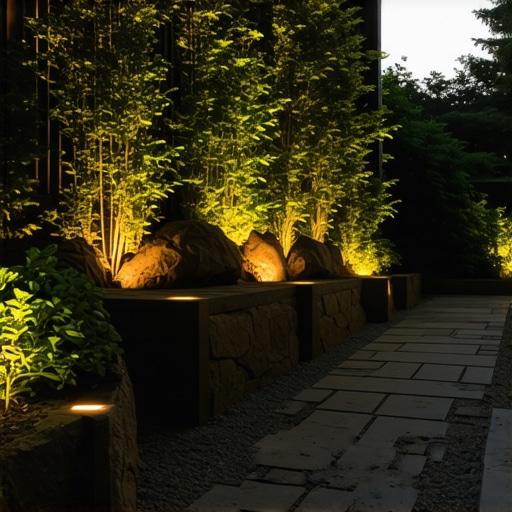
Let’s dig deeper into the nuances of hardscaping to ensure your outdoor project isn’t just trendy but also enduring. A widespread misconception is that hardscaping is purely aesthetic and requires minimal planning. In reality, the success of a hardscape depends heavily on understanding advanced design principles and avoiding common pitfalls. For instance, many homeowners underestimate the importance of proper drainage and soil preparation, which can lead to costly repairs down the line. Proper grading and the use of permeable materials are crucial, as they prevent water pooling and structural damage. This is often overlooked by those who focus solely on visual appeal.
Another myth is that all hardscaping materials are equally sustainable. In fact, material choice impacts environmental impact significantly. Recycled concrete, natural stone, and permeable pavers are more eco-friendly than traditional concrete slabs, which can contribute to urban heat islands and water runoff issues. Choosing sustainable materials is a nuanced decision that balances aesthetics, durability, and environmental responsibility. For an in-depth guide, explore effective hardscaping strategies.
What are the most common advanced mistakes in hardscaping projects?
One of the biggest errors is neglecting to incorporate flexible design elements that accommodate future modifications. Hardscaping isn’t a one-and-done task; it should evolve with your needs. For example, installing modular pavements allows for easy updates without tearing out entire sections. Additionally, ignoring local climate conditions can compromise the longevity of your hardscape. In colder regions, using materials prone to freeze-thaw damage without proper insulation or expansion joints can cause cracking. Experts recommend consulting local climate data when selecting materials, as outlined in 2025 hardscaping trends.
Have you ever fallen into this trap? Let me know in the comments. Mastering these nuances ensures your hardscape remains stunning and functional for decades, turning your outdoor space into a true masterpiece rather than a maintenance nightmare.
Maintaining your hardscaping investments is crucial to ensuring they remain functional and beautiful over the years. One of my go-to strategies is using specific tools that I trust for durability and precision. For example, I rely heavily on a high-quality plate compactor. I personally use the Wacker Neuson BP 70/55, which offers excellent vibration control and consistent compaction, preventing future settling issues that can crack your paving or stonework. Regularly using a plate compactor not only preserves the integrity of your hardscape but also makes subsequent maintenance much easier.
Another indispensable tool is a diamond blade wet saw, such as the MK Diamond 157222. I prefer this because it allows me to make precise cuts in natural stone and concrete pavers without creating a mess. Proper cutting ensures tight fits and professional-looking joints, especially when working with complex designs or curves. Investing in a good wet saw minimizes waste and reduces the risk of damaging expensive materials.
For ongoing maintenance, I recommend a robust leaf blower and garden vacuum like the blower-vacuum combo from Toro. Clearing debris regularly prevents moss, algae, and weed growth that can compromise your hardscape’s surface. A clean surface also improves the effectiveness of sealants and protective coatings, which I apply annually with a high-grade penetrating sealer like the Siloxa-Tek 8500. This sealer enhances durability and water resistance, extending the lifespan of your hardscape features.
Looking ahead, the trend in hardscape maintenance is moving towards automation and smart technology. In the future, I predict the integration of IoT-enabled sensors that monitor soil moisture and surface wear, alerting homeowners when maintenance is needed. This proactive approach can save time and money by preventing major repairs.
How do I maintain my hardscape over time?
Key to long-term success is routine inspection and timely repairs. I schedule a professional inspection at least once a year, focusing on drainage, joint integrity, and surface stability. For minor issues like loose pavers or small cracks, I use a polymeric sand joint filler, which I find easy to apply with a simple hand broom. For more extensive repairs, I consult with a professional who can recommend advanced solutions like epoxy resin injections for cracks or re-leveling with a laser-guided system.
Remember, investing in the right tools and a consistent maintenance routine is the best way to keep your hardscaping working beautifully for decades. Try incorporating a high-quality plate compactor into your maintenance arsenal and see how it transforms your upkeep routine. For more advanced strategies, explore effective hardscaping strategies that will help you preserve your outdoor oasis.
The Hardest Lesson I Learned About Hardscaping Mastery
One of my biggest revelations was realizing that hardscaping isn’t just about laying stones; it’s about creating a resilient, adaptable, and cohesive outdoor environment. I once rushed into installing a fancy patio without considering future modifications or drainage, which led to costly repairs. The lesson? Always plan with flexibility and sustainability in mind—think modular designs and permeable materials to future-proof your outdoor space.
3 Myths About Hardscaping That Held Me Back
I believed that hardscaping was purely aesthetic and required minimal planning, which isn’t true. Another myth was that all materials are environmentally friendly, but choosing the right sustainable options like recycled concrete or natural stone makes a big difference. Dispelling these myths transformed my approach, allowing me to design outdoor spaces that are both beautiful and eco-conscious.
What Experts Won’t Tell You About Long-Lasting Hardscaping
Many overlook the importance of proper site preparation and drainage, leading to issues like shifting or cracking over time. I learned that investing in quality tools, such as a high-grade wet saw or a reliable plate compactor, can save money and extend the lifespan of your hardscape. Mastering these details ensures your outdoor project remains stunning and functional for decades.
Curated Recommendations for Your Hardscaping Journey
My Essential Toolkit for Hardscaping includes a Wacker Neuson BP 70/55 plate compactor for professional-grade compaction, ensuring stability and longevity. I also recommend the MK Diamond 157222 wet saw for precise cuts in natural stone and concrete, making installation cleaner and more efficient. For ongoing maintenance, the Toro blower-vacuum combo keeps debris at bay, preserving the beauty of your hardscape. Lastly, exploring effective hardscaping strategies will provide you with expert insights to elevate your outdoor design.
Your Turn to Make It Happen
Now it’s your chance to transform your outdoor space with innovative hardscaping ideas. Whether you’re considering permeable pavers, integrated lighting, or sustainable materials, the options are endless. Remember, a well-designed hardscape isn’t just about aesthetics—it’s about creating a space that lasts and evolves with you. Start planning today, and don’t be afraid to experiment with these 2025 trends to craft your perfect outdoor retreat.
![4 Warrenton VA Hardscaping Contractor Red Flags to Avoid [2026]](https://lawnmajesty.com/wp-content/uploads/2026/03/4-Warrenton-VA-Hardscaping-Contractor-Red-Flags-to-Avoid-2026.jpeg)