7 Shade-Loving Perennials for the Darkest Corners of Your Yard
Success in shade gardening is not about luck; it is a matter of civil engineering and biological precision. Most homeowners see a dark corner under an oak tree and think of it as a dead zone, or worse, they try to force turf grass where it has no physiological chance of survival. Turf needs at least 4 to 6 hours of direct sun to maintain metabolic function. When you force it into the dark, you get thin blades, fungal rot, and soil erosion. To reclaim these areas, you must transition from lawn care to a sophisticated planting strategy that respects the available light and soil hydrology.
The Critical Importance of Soil Grading in Shade Gardens
Proper soil grading in shade areas ensures that excess moisture is diverted away from the root flare of your perennials while maintaining the capillary action necessary for hydration. Without a 1 to 2 percent slope, water collects in depressions, leading to anaerobic soil conditions that kill even the hardiest shade-loving species. I always drill into my new crew members: if you don’t fix the soil grading first, every plant you put in the ground is just expensive compost. I have seen too many rookies slap a hosta into a hole that acts like a bucket in a rainstorm. The plant drowns within two weeks. We don’t do that here. We analyze the soil horizons, check the drainage, and then we plant. You have to understand that in the shade, evaporation rates are significantly lower. This means your soil stays wetter for longer. If your soil is heavy clay, you are effectively planting in a bathtub unless you amend with coarse organic matter to increase the pore space for oxygen. Oxygen in the root zone is just as vital as water.
“A retaining wall doesn’t fail because of the stone; it fails because of the water trapped behind it.” – Hardscape Engineering Axiom
How do I test my soil for shade plants?
To test soil for shade plants, perform a percolation test by digging a 12-inch hole, filling it with water, and timing how long it takes to drain. Ideally, you want a drainage rate of 1 to 2 inches per hour to support root respiration and prevent pythium root rot in low-light environments.
| Soil Type | Drainage Rate | Required Amendment | Suitability |
|---|---|---|---|
| Heavy Clay | Less than 0.5 inches/hr | Pine bark fines, compost | Poor without remediation |
| Sandy Loam | 2.0+ inches/hr | Leaf mold, peat moss | Excellent |
| Compacted Silt | 0.5 – 1.0 inches/hr | Core aeration, organic grit | Moderate |
The 7 Hardest-Working Perennials for Low Light
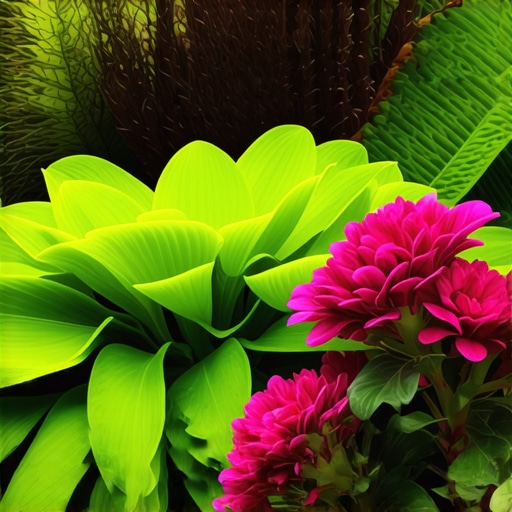
Selecting the right species for the understory requires an understanding of Photosynthetic Photon Flux Density (PPFD). These seven plants have evolved to maximize carbon fixation in low-light environments. [image_placeholder_1] These are not just decorative; they are biological workhorses that stabilize soil and manage groundwater.
1. Helleborus orientalis (Lenten Rose)
Hellebores are the tanks of the shade world. They feature thick, leathery leaves with a waxy cuticle that resists desiccation. They are also deer-resistant because their sap contains protoanemonin, which is toxic to herbivores. Plant them with the crown slightly above the soil line to prevent rot. They prefer a soil pH between 6.0 and 7.0.
2. Heuchera (Coral Bells)
Modern cultivars offer high-chroma foliage that can brighten dark corners without flowers. Focus on the ‘Villosa’ hybrids if you live in high-humidity areas. Their root systems are shallow, so they require consistent moisture but cannot tolerate standing water. Mulch them with 2 inches of shredded hardwood to keep the shallow roots cool.
3. Athyrium niponicum (Japanese Painted Fern)
This fern is a master of the damp, dark corner. It thrives in areas with less than 2 hours of sun. The metallic silver sheen on the fronds is actually a biological adaptation to reflect excess light in higher-exposure moments while maximizing absorption in deep shade. It requires highly acidic soil with plenty of leaf mold.
4. Epimedium (Barrenwort)
Often overlooked, Epimedium is one of the few plants that can handle dry shade under large trees. They have woody rhizomes that can compete with tree roots for moisture. They are slow to establish, but once they do, they are nearly indestructible. They don’t need much. Just leave them alone.
5. Hakonechloa macra (Japanese Forest Grass)
This is the only grass I recommend for deep shade. It has a cascading habit that looks like water flowing over rocks. It is a slow grower, so buy the largest size your budget allows. It needs rich, organic soil. If your soil is depleted, top-dress with composted manure before planting.
6. Dicentra spectabilis (Bleeding Heart)
A classic for a reason. It provides height in the early spring garden. Be aware that this plant is ephemeral; it will go dormant and disappear by mid-summer when the heat hits. You must pair it with late-emerging plants like ferns or hostas to fill the gap left behind. Don’t dig it up thinking it is dead. It is just sleeping.
7. Tiarella cordifolia (Foamflower)
A native powerhouse that acts as a groundcover. It spreads via runners and is excellent for erosion control on shaded slopes. It handles the freeze-thaw cycles of northern climates better than most imports. It likes a steady supply of moisture but needs that 1 percent grade to keep the water moving.
“Soil structure is the most ignored aspect of the landscape, yet it dictates 90 percent of plant health outcomes.” – Agricultural Extension Manual
Professional Installation: Beyond the Hole
Installing these plants isn’t just about digging a hole and dropping them in. You need to consider the hydrostatic pressure and the way water moves across your property. If you are planting near a hardscape feature like a patio or a retaining wall, you must ensure your planting bed doesn’t undermine the base material of the stone. We use a modified gravel base for patios, and we don’t want garden soil washing into that stone and clogging the drainage. Use a filter fabric barrier between your garden bed and your hardscape. It prevents fines from migrating. Don’t skip this. It will save your patio from settling.
- Assess light levels at 10 AM, 1 PM, and 4 PM to determine true shade density.
- Test soil pH and adjust to a 6.0-6.8 range for most perennials.
- Install a drip irrigation system with pressure-compensating emitters.
- Apply a 2-inch layer of organic mulch, keeping it 3 inches away from plant stems.
- Edge the bed with a deep spade cut to prevent lawn grass from encroaching.
How much mulch do I need for a shade bed?
For a standard shade bed, apply exactly 2 to 3 inches of triple-shredded hardwood mulch. This depth is sufficient to suppress weed germination and retain soil moisture without suffocating the fine feeder roots that reside near the soil surface. Never mound mulch against the plant stems; this creates a bridge for wood-boring insects and rot.
Long-Term Maintenance and Structural Integrity
Shade gardens require less mowing but more precision pruning. You are managing a micro-ecosystem. Keep an eye on the canopy above. Sometimes a light thinning of the overhead tree branches (crown thinning) can increase the light levels just enough to turn a struggling plant into a thriving one. But don’t scalp the trees. This is a balance. Your shade perennials will tell you what they need. If they are reaching and leggy, they need more light. If the leaves are scorched, they are getting too much mid-day sun. Adjust accordingly. Landscapes are living systems, not static objects. You must monitor the cation exchange capacity of your soil over time, as shade plants often compete with large trees for nutrients. An annual application of high-quality compost is better than any synthetic fertilizer you can buy at a big-box store. It builds soil structure. It feeds the microbes. It works.
![Build a $40 Raised Garden Bed [Cedar 2026]](https://lawnmajesty.com/wp-content/uploads/2026/06/Build-a-40-Raised-Garden-Bed-Cedar-2026.jpeg)