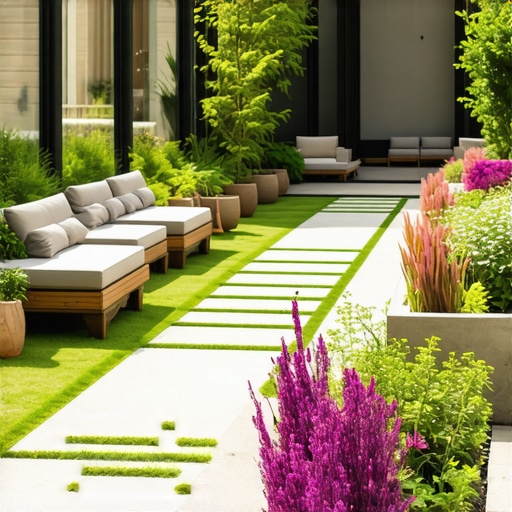
Ever spent hours trying to create that perfect outdoor oasis, only to feel like your garden is stuck in a rut? I remember the frustration all too well. I’d invest weekends planting, rearranging, and dreaming of a stunning backyard, but somehow, it never quite felt right. That was until I had a lightbulb moment: garden design isn’t just about plants; it’s about creating a cohesive, inspiring space that reflects your personality and lifestyle. And trust me, with the right approach, transforming your outdoor area into a modern, stylish retreat by 2025 is totally achievable.
Why Modern Garden Design Matters More Than Ever
In 2025, outdoor spaces are becoming more than just a backyard. They’re turning into extensions of our homes—places to relax, entertain, and recharge. According to a recent study by the National Gardening Association, nearly 70% of homeowners now view their garden as a vital part of their living space. This shift means that investing in thoughtful design isn’t just a luxury; it’s a necessity for enhancing your quality of life and increasing your home’s value. But with so many trends and ideas swirling around, it’s easy to feel overwhelmed and unsure where to start.
My early attempts at garden design were full of mistakes. I once spent a fortune on trendy plants that looked fantastic in magazines but struggled to thrive in my climate. I also overlooked the importance of hardscaping, which resulted in a muddy, uneven yard after heavy rains. These missteps taught me a vital lesson: successful outdoor design combines aesthetic appeal with practical hardscaping solutions. If you’re tired of feeling stuck or wasting money on fleeting trends, don’t worry. Today, I’ll share proven strategies to help you craft a modern garden that’s both beautiful and sustainable.
What You’ll Discover Today
In this post, we’ll explore the latest hardscaping ideas, modern landscaping trends, and simple steps to elevate your outdoor space in 2025. From choosing the right materials to creating inviting focal points, I’ll guide you through practical tips that have transformed my own garden and countless others. Ready to turn your outdoor space into a stunning, modern sanctuary? Let’s dive into the essentials that will make your garden the envy of your neighborhood.
Is Embracing Garden Trends Actually Worth the Hype?
Like many, I was initially skeptical about jumping onto new trends. I worried they might be fleeting or too costly. Early on, I adopted a few trendy elements that quickly fell out of favor, leaving me frustrated. But I learned that the key is integrating timeless hardscaping tricks and modern landscaping ideas that stand the test of time. For instance, incorporating durable materials like natural stone or concrete pavers can elevate your space without becoming outdated. If you’ve faced doubts or fears about investing in trendy garden design, you’re not alone. The good news is that with a strategic approach, you can enjoy a modern outdoor space that remains stylish and functional for years to come. For inspiration, check out this guide on 2025 landscaping trends.
Plan with Purpose and Precision
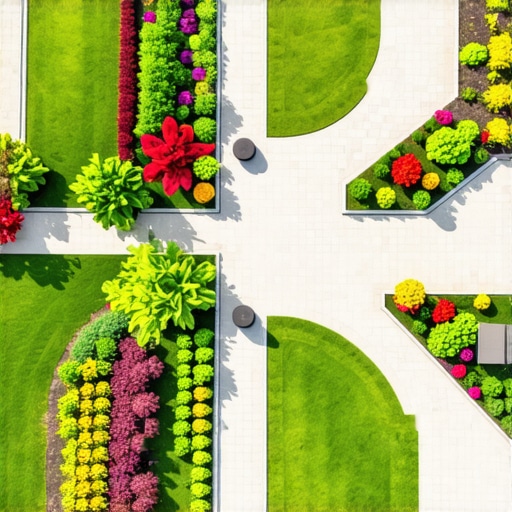
Start by assessing your space and setting clear goals. Imagine your garden as a blank canvas; knowing what you want—whether it’s a relaxing retreat, a vibrant entertainment area, or a low-maintenance landscape—guides your choices. Measure your yard accurately and sketch a rough layout to visualize potential configurations. When I redesigned my backyard, I spent a weekend mapping out zones for dining, lounging, and planting beds, which helped me avoid costly mistakes later. Use this initial blueprint to explore modern trends such as minimalist lines or sustainable hardscaping that align with your vision.
Select Durable, Stylish Materials
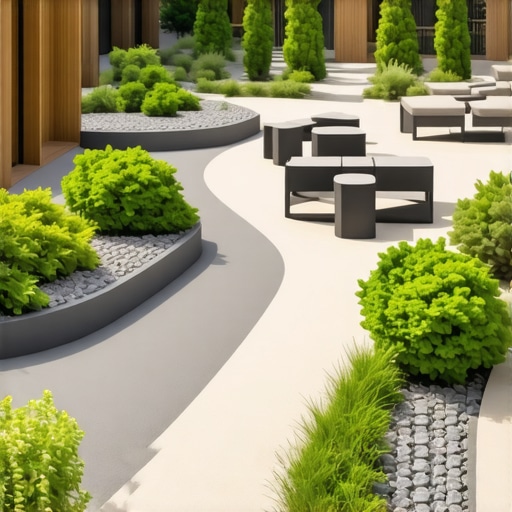
Choosing the right materials is crucial for longevity and style. Think of your hardscaping elements as the foundation of your outdoor masterpiece. I opted for natural stone pavers for my patio because they blend seamlessly with my garden’s modern aesthetic and withstand weathering. Incorporate durable materials like concrete, brick, or composite decking, which stay attractive over time and require minimal upkeep. For inspiration, visit this guide on hardscaping ideas to see trending materials that balance form and function.
Create Focal Points That Draw the Eye
Focal points anchor your design and add visual interest. Think of them as the centerpiece of your garden—like a sculpture, water feature, or a striking plant arrangement. During my project, I installed a sleek fire pit surrounded by modern seating, which became the natural gathering spot. Use contrasting textures and colors to make your focal points pop. Incorporate lighting to highlight these features at night, extending your garden’s usability and allure. Check out landscape design tips for ideas on creating captivating focal points that elevate your space.
Layer Your Planting Strategy
Layering adds depth and richness to your garden. Start with structural plants like ornamental grasses or shrubs that provide form and height. Underneath, add colorful perennials and ground covers for texture and seasonal interest. I learned this by trial and error—initially planting everything at once, which resulted in a cluttered look. Gradually, I introduced layers, balancing evergreen and flowering plants, which created a lush, inviting atmosphere. Use native plants to ensure sustainability and ease of maintenance. Visit this resource for modern planting ideas that suit your climate and style.
Incorporate Smart Lighting and Accessories
Lighting transforms your garden after sunset, making it functional and magical. Use a mix of ambient, task, and accent lighting—think string lights, pathway lamps, and uplights for trees. I installed solar-powered LED lights along my walkways, which are energy-efficient and easy to set up. Accessories like stylish planters, outdoor rugs, and furniture add personality and comfort. Remember, the right lighting not only enhances aesthetics but also improves safety. Explore latest lighting trends to make your garden shine day and night.
Maintain and Evolve Your Design
Garden design isn’t a one-time project; it’s an ongoing process. Regular maintenance keeps everything looking fresh—prune, weed, and refresh planting beds seasonally. Observe how your garden evolves and adapt your hardscaping or plant choices accordingly. I added new sculptures and swapped out plants to keep my space lively and aligned with current trends like sustainable materials and eco-friendly practices. Use hardscaping strategies to refine your outdoor sanctuary continuously.
Many garden enthusiasts fall into misconceptions that can hinder their landscape projects. One of the biggest myths is that following the latest trends guarantees a timeless garden. In reality, trends are fleeting, and blindly chasing them can lead to costly mistakes. Instead, focus on integrating durable, classic hardscaping materials that stand the test of time, such as natural stone or concrete pavers. These materials maintain their appeal and functionality for years, making your garden both stylish and sustainable. For more detailed advice on choosing the right materials, check out this guide on hardscaping ideas.
Another misconception is that a lush garden requires constant watering and maintenance. While some plants do demand high upkeep, modern landscaping allows for low-maintenance, native plant selections that thrive with minimal intervention. Native plants are adapted to local climates, reducing water use and gardening effort, while still providing vibrant, seasonally interesting landscapes. Discover effective native planting strategies at this resource.
It’s also common to believe that hardscaping should be a one-time investment. However, softscaping and lighting features benefit from periodic updates to keep your garden feeling fresh and aligned with evolving trends. Incorporate flexible elements like modular planters or adjustable lighting to allow easy upgrades. This ongoing approach ensures your outdoor space remains modern and engaging over time.
Why Do Many Overlook the Power of Layering Plants?
Layering plants isn’t just about aesthetics; it enhances the health and resilience of your garden. By combining different heights, textures, and blooming times, you create a dynamic ecosystem that supports beneficial insects and reduces pest problems. Many gardeners underestimate this strategy, opting instead for a uniform planting style that can look flat and become monotonous. To master layering, explore modern planting techniques that add depth and vibrancy to your landscape.
Don’t fall for the trap of thinking that garden design is a set-and-forget task. Successful outdoor spaces require attention, adaptation, and sometimes, a little daring. Remember, the most stunning gardens are those that evolve with their owners’ tastes and the changing seasons. Have you ever fallen into this trap? Let me know in the comments!
Keeping your modern garden looking pristine and functional over time requires more than just initial planning. It’s about employing the right tools, establishing effective maintenance routines, and understanding how to adapt your landscape as it evolves. In this guide, I’ll share the specific equipment and software I personally use to ensure my garden stays vibrant, healthy, and stylish all year round.
Essential Equipment for Garden Upkeep
First, investing in quality tools is crucial. I highly recommend a cordless electric hedge trimmer, like the Bosch AdvancedRecip 18, because it offers precision trimming without the hassle of cords or gas fumes. It’s lightweight, easy to maneuver, and battery-powered, making it ideal for maintaining neat hedge lines and shrub shapes. Pair this with a durable pruning shear, such as the Felco F-2, which I use for detailed pruning of delicate plants—its sharp blades and ergonomic design help prevent plant damage and reduce fatigue during long sessions.
For lawn care, I rely on a robotic mower like the Husqvarna Automower 430X. It’s a game-changer for maintaining a lush, even lawn without manual effort. It learns your yard’s layout, navigates obstacles intelligently, and keeps the grass at an optimal height. To keep everything running smoothly, I also keep a leaf blower like the Makita DUB182Z, which quickly clears debris, ensuring my hardscaping stays clean and my plants are free from debris that could harbor pests or diseases.
Harnessing Technology for Landscape Management
Beyond physical tools, software plays a vital role in long-term garden care. I use a landscape design app called iScape, which helps me plan seasonal changes and visualize potential updates before committing to them. This app allows me to experiment with plant placements, hardscaping updates, and lighting schemes, saving time and money. Additionally, I subscribe to a weather monitoring service that provides hyper-local forecasts, so I can schedule watering and fertilization precisely when needed. This prevents overwatering and conserves resources, aligning with sustainable garden practices.
Looking ahead, I predict that AI-powered garden management tools will become more sophisticated, offering real-time plant health diagnostics and personalized care recommendations. Integrating these technologies will make maintaining a modern garden more intuitive and less labor-intensive.
How do I maintain my garden over time?
The key to sustained garden health is regular inspection and adaptive management. I set weekly reminders to check for pests, prune when necessary, and adjust watering schedules based on weather conditions. Seasonal soil testing helps me fine-tune fertilization, ensuring my plants receive the nutrients they need without excess runoff. By combining high-quality equipment, smart software, and a proactive mindset, I keep my outdoor space thriving year-round.
If you’re ready to elevate your garden maintenance routine, start by upgrading your pruning shears or exploring landscape design apps. These small steps can lead to big improvements in your outdoor space’s longevity and beauty. For more insights on hardscaping tools and strategies, check out this guide on hardscaping ideas.
The Hardest Lessons I Learned About Modern Garden Design
- One of my biggest mistakes was chasing fleeting trends without considering durability. I realized that timeless hardscaping materials like natural stone or concrete pavers are investments that pay off in both style and longevity.
- Overplanting was another pitfall. I learned that layering plants thoughtfully—using different heights and textures—creates depth and resilience, supporting beneficial insects and reducing pests.
- Ignoring lighting or accessories made my garden feel incomplete. Incorporating smart lighting and stylish accents transforms the space into a magical retreat, especially at night.
- Neglecting ongoing maintenance turned my garden into a chore. Regular inspection, pruning, and updates keep the space vibrant and aligned with evolving trends.
My Essential Toolkit for a Modern Garden
- High-quality pruning shears like Felco F-2—trust me, sharp blades make all the difference in plant health and ease of work.
- A cordless electric hedge trimmer such as Bosch AdvancedRecip 18—precision trimming without fuss.
- A robotic mower like Husqvarna Automower 430X—keeps the lawn lush and even with minimal effort.
- A landscape design app like iScape—visualize changes before making them, saving time and money.
- Weather monitoring services—schedule watering and fertilizing precisely, conserving resources and maintaining healthy plants.
Your Turn to Try Making a Difference
With the right mindset and tools, creating a modern, stylish garden by 2025 is within your reach. Remember, the key is blending timeless hardscaping materials with thoughtful planting, lighting, and ongoing care. Don’t wait—start planning your outdoor oasis today and enjoy a space that reflects your personality and lifestyle. If you’ve ever struggled with choosing the right materials or layering plants, share your experiences below. I’d love to hear how you’re planning to elevate your outdoor space!
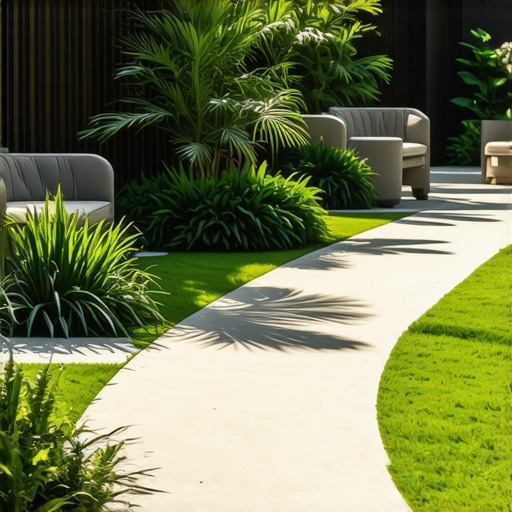
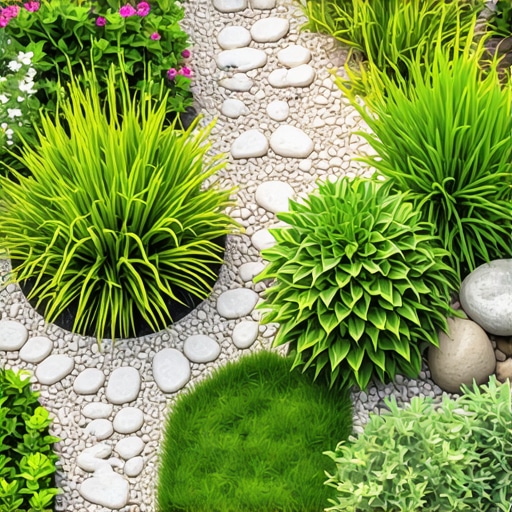
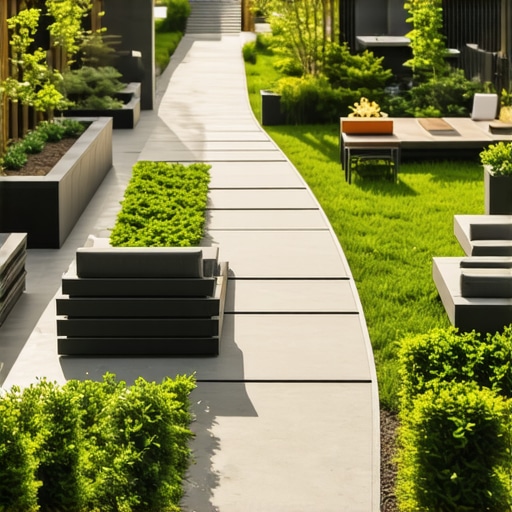
Reading this post really resonated with me because I’ve often felt overwhelmed by the sheer number of gardening trends and unsure about what truly lasts. I completely agree that focusing on durable, timeless hardscaping materials like natural stone makes a huge difference in creating a sustainable and stylish outdoor space. I’ve personally started incorporating native plants to reduce maintenance and conserve water, and it’s been a game-changer. One challenge I’m curious about is balancing aesthetic appeal with low maintenance—has anyone found specific plant combinations or design elements that strike this balance effectively? I’d love to hear more practical advice from others who are also aiming for a modern, yet manageable, garden.
This post really hits the mark, especially on the importance of blending durability with style in garden design. I agree that chasing fleeting trends can lead to costly mistakes, and focusing on classic, long-lasting materials is a smart move. I’ve found that incorporating native plants not only simplifies maintenance but also enhances the garden’s resilience. Interestingly, I’ve been experimenting with layered planting techniques, mixing tall shrubs with ground covers, which creates visual depth and supports local ecosystems. It’s fascinating how the right plant combinations can reduce pest issues and boost biodiversity. Have others had success with native plant mixes that require minimal care but still provide a vibrant, lush look? Also, I’m curious—how do you balance the desire for a modern aesthetic with the practical needs of low upkeep gardens? Would love to hear your thoughts or any tips from your own experience!