
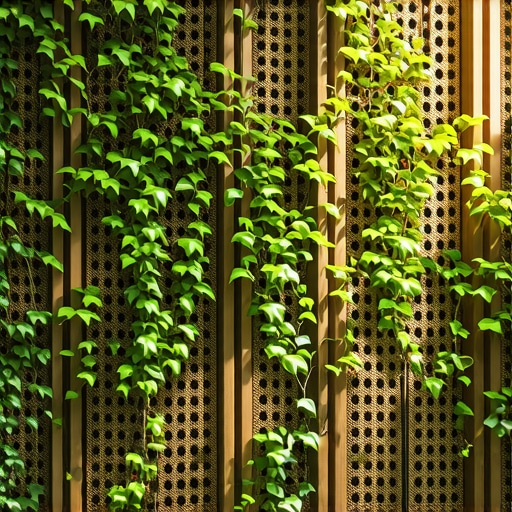
Building a Privacy Screen with Lattice and Vines
The Engineering Reality of Vertical Privacy Screens
Building a privacy screen with lattice and vines requires a foundation rooted in structural engineering and horticultural science to ensure the assembly withstands wind loads and biological weight over a twenty-year lifecycle. Most homeowners fail because they treat a screen like a piece of furniture; in reality, it is a vertical sail that must manage hydrostatic pressure, wood rot, and the aggressive expansion of root systems. I always drill into my new crew members: if you don’t fix the soil grading first, every plant you put in the ground is just expensive compost. I’ve seen $15,000 installations lean and rot within three seasons because the contractor used ‘big-box’ staples instead of stainless steel fasteners and ignored the local frost line. We don’t build for next month; we build for next decade. Vertical gardening isn’t just about aesthetics; it is about managing the micro-climate and soil biology of a confined space.
The Physics of Post Depth and Wind Loads
How deep do privacy screen posts need to be? For a standard six-foot privacy screen, posts must be set at least 36 inches deep, or 12 inches below the local frost line, using UC4A grade pressure-treated timber rated for ground contact to prevent structural failure.
“A retaining wall or vertical structure doesn’t fail because of the material; it fails because of the forces—water and wind—trapped behind or against it.” – Hardscape Engineering Axiom
Don’t use those pre-mixed bags of ‘fast-set’ concrete without checking the PSI. We use a 3000 PSI minimum to ensure the lateral force of a vine-heavy lattice doesn’t snap the footing during a summer thunderstorm. It will rot if you don’t taper the concrete top to shed water. Stop burying the wood-to-concrete seam under mulch volcanoes.
Selecting the Right Lattice: Material Science vs. Big-Box Junk
Choosing the right material for your garden design involves weighing the tensile strength and rot-resistance of cedar, vinyl, or pressure-treated lath against the specific climbing mechanism of your chosen vine. Most ‘decorative’ lattice is 1/4-inch thick and held together with galvanized staples that rust out in two years. We only install 3/4-inch heavy-duty cedar or UV-stabilized high-density polyethylene (HDPE).
| Material | Lifespan | Maintenance | Best For |
|---|---|---|---|
| Clear Grade Cedar | 15-20 Years | Stain every 3 years | Woody perennials (Wisteria) |
| HDPE Plastic | 25+ Years | Zero | Annual vines/Clematis |
| PT Pine (Ground Contact) | 10-15 Years | High (warping risk) | Budget structural frames |
The weight of a mature Trumpet Vine (Campsis radicans) can exceed 200 pounds when wet. If your lattice is stapled, the vine will literally peel the screen off the frame. Use 2-inch stainless steel screws. No exceptions.
Horticultural Pairing: Matching Vines to Structure
Which vines grow fastest for privacy? While fast-growing vines like Virginia Creeper or Hops provide quick coverage, they require aggressive pruning and specific trellis types to prevent them from destroying your siding or the lattice itself. You need to understand how the plant climbs. Twining vines like Honeysuckle need round dowels or wire. Tendril-climbers like Sweet Peas need thin mesh. Adhesive-disk climbers like Boston Ivy will eat the mortar out of your brickwork.
“Successful plant establishment depends on the interaction between the plant’s genetic potential and the physical and chemical properties of the soil.” – Penn State Agricultural Extension
We always test the soil pH before planting. If you’re putting Clematis in high-alkaline soil without amending it, you’re lighting money on fire. Most flowering vines prefer a pH between 6.0 and 7.0. Check yours. It takes five minutes.
Installation Checklist for Maximum Longevity
- Utility Clearance: Call 811 before digging. Severing a fiber-optic line costs more than the fence.
- Post Sinking: Use a power auger for 12-inch diameter holes.
- Drainage Layer: Add 4 inches of 3/4-inch crushed stone at the bottom of the hole for drainage.
- Fastener Selection: Use 304 or 316-grade stainless steel screws to prevent ‘bleeding’ on cedar.
- Airflow Gap: Leave a 2-inch gap between the bottom of the lattice and the soil to prevent fungal splash-back.
The Settling-In Period: Maintenance and Irrigation
The first twelve months are the ‘establishment phase’ where irrigation and root development take precedence over vertical growth; you must prune for structure early to force the vine to fill out the bottom of the screen. Most homeowners let the vine race to the top. This leaves the bottom four feet transparent. Chop it back. Force the lateral buds to break. This creates the ‘privacy’ part of the privacy screen. For lawn care enthusiasts, ensure your nitrogen-heavy turf fertilizer stays away from your flowering vines. Too much nitrogen (N) will give you massive green leaves but zero flowers. Use a balanced 10-10-10 or a phosphorus-heavy (P) fertilizer in the spring to encourage blooms. Don’t skip the mulch, but keep it three inches away from the main stem. Airflow is life. Stagnation is death. Monitor for powdery mildew in late August. If you see it, the airflow is bad. Thin the foliage. Do it now.
![Build a $100 2026 Pea Gravel Fire Pit [Weekend DIY]](https://lawnmajesty.com/wp-content/uploads/2026/07/Build-a-100-2026-Pea-Gravel-Fire-Pit-Weekend-DIY.jpeg)
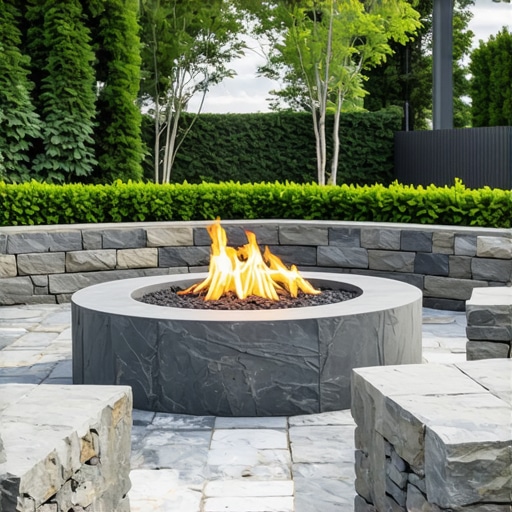
![Build a $250 Flagstone Fire Pit Circle [Weekend Fix]](https://lawnmajesty.com/wp-content/uploads/2026/06/Build-a-250-Flagstone-Fire-Pit-Circle-Weekend-Fix.jpeg)