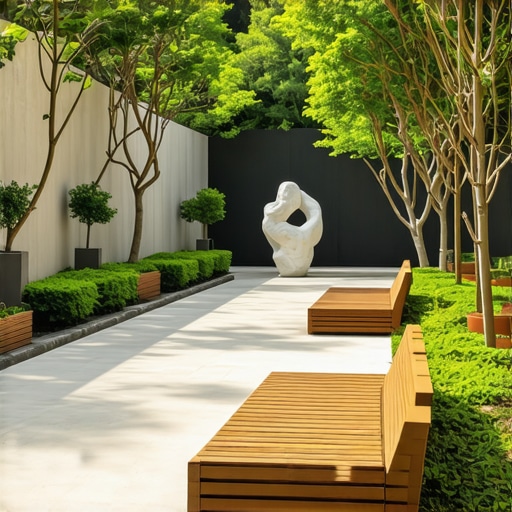
Have you ever stood in your backyard, feeling that surge of disappointment because your garden just doesn’t match your vision? I’ve been there, staring at a patchy lawn and outdated hardscaping, wondering if I’d ever turn it into the stunning outdoor oasis I dreamed of. It was a lightbulb moment that pushed me to dive into the latest trends and ideas for 2025, realizing that modernizing my garden wasn’t just about aesthetics but about creating a space that truly elevates my lifestyle.
Why Staying Ahead with Garden Trends Matters in 2025
In the world of outdoor design, the landscape is constantly evolving. The trends for 2025 emphasize sustainability, innovative materials, and smart technology integration. If you’ve ever tried to DIY your garden makeover with outdated ideas, you probably know how frustrating it can be to see little return on your effort. I learned this the hard way early on, when I wasted money on trendy plants that didn’t survive the season or hardscaping that looked great but quickly wore out. That mistake taught me a vital lesson: understanding current landscaping principles is crucial for lasting beauty and value.
Now, I focus on blending form with function, using modern techniques that save time, reduce maintenance, and boost curb appeal. For instance, incorporating [hardscaping trends of 2025](https://lawnmajesty.com/hardscaping-trends-2025-inspire-your-modern-outdoor-makeover-3) can radically transform your space, making it more inviting and practical. Want to see how I did it? Keep reading, and I’ll share the secrets to making your garden stand out in 2025.
Is Modern Garden Design Really Worth the Hype?
Honestly, I was skeptical at first. I thought, “How much difference can new stones or plants really make?” But once I embraced the innovative ideas, I realized it’s not about trendy fluff; it’s about creating a sustainable, beautiful environment that lasts. Early in my journey, I made the mistake of ignoring proper planning and rushing into projects without research. That led to costly mistakes and wasted effort. Learning from those errors, I started consulting expert resources and trusted guides like modern landscaping trends of 2025, which opened my eyes to what’s possible.
If you’ve faced similar doubts or fear of investing in the wrong ideas, know that strategic planning and staying informed can turn your garden into a stunning showcase. Now, let’s explore the practical steps to bring your outdoor space into the modern age, making it a place where you love to relax, entertain, and enjoy nature’s beauty.
Plan Your Garden with Precision
Start by sketching your outdoor space, noting existing features and areas needing improvement. Think of this step as creating a blueprint before building a house — it lays the foundation for everything that follows. I remember once grabbing some graph paper and drawing my yard’s layout, marking where I wanted new planting beds and hardscaping elements. This simple act saved me time and money later, helping me visualize the final look and avoid costly mistakes.
Set Clear Goals
Decide what you want from your garden: a space for relaxation, an entertaining area, or a low-maintenance landscape. Having a clear vision helps in choosing the right materials and plants. For example, I aimed for a modern look with sleek hardscaping and native plants for sustainability, guiding my choices throughout the project. Check out modern garden design ideas for inspiration.
Choose the Right Materials
Focus on durable, sustainable, and visually appealing materials. For 2025, popular choices include permeable pavers, composite decking, and sleek metal accents. Think of hardscaping like the frame of a building — it needs to be strong yet stylish. I experimented with different gravel mixes and concrete pavers, which I learned about from hardscaping trends of 2025. My first attempt was messy, with mismatched stones, but I refined my approach after reading expert tips and testing small sections.
Layer Your Plants Thoughtfully
Arrange plants in layers: tall in the back, low in front. Use native and drought-tolerant species to cut down on water and maintenance. I once planted a row of mismatched shrubs that quickly looked chaotic. Later, I studied landscaping design tips and restructured my planting scheme into a cohesive, modern look. This step is like styling a wardrobe — balance and proportion matter.
Integrate Smart Technology
Automate watering systems, lighting, and even garden sensors to make maintenance easier and more efficient. Think of these as the smart assistants of your garden — they do the heavy lifting. I installed a Wi-Fi-enabled irrigation controller, which I configured to water early mornings, saving water and time. Use guides like modern landscaping tips to select compatible tech.
Focus on Lighting
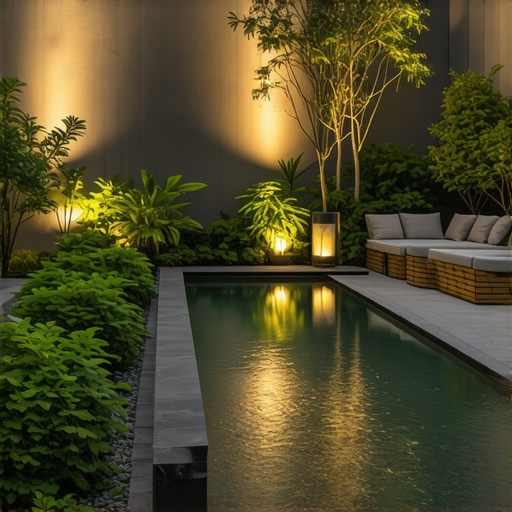
Lighting transforms your garden at night and adds a layer of security. Incorporate LED pathway lights, spotlights on feature trees, and soft ambient fixtures. I initially left my yard in darkness, but after adding subtle lighting, the space became inviting and magical. Think of lighting as the jewelry that accents your outfit — it elevates everything.
Maintain Consistently
Adopt a regular maintenance routine: prune, fertilize, weed, and monitor your tech. Use modern lawn care tips to keep your landscape lush and healthy. I learned that quick weekly check-ins prevented larger problems, saving me time and money over the long haul. Remember, a beautiful garden isn’t a one-time project; it’s an ongoing process.
Experiment and Adjust
Don’t be afraid to try new plants or layouts. Observe how your garden responds over seasons and tweak accordingly. My first planting was too dense; I had to thin out and repot a few species. This iterative process is like fine-tuning a musical instrument — patience leads to harmony. Use resources like innovative hardscaping ideas for fresh ideas and techniques.
By applying these concrete steps, your garden will evolve into a modern masterpiece that’s durable, stylish, and tailored to your lifestyle. Remember, the key is planning, choosing quality materials, smart tech, and ongoing care — these are the pillars of success in 2025’s landscape design.
Many garden enthusiasts and DIYers approach landscape upgrades with a set of assumptions that, while popular, often lead to costly mistakes or subpar results. As an expert in modern landscaping, I’ve seen these misconceptions derail projects and waste resources. Let’s dig deeper into what most people get wrong about adopting the latest trends and how to avoid these pitfalls.
Why Following the Crowd Can Backfire
It’s tempting to believe that everything trending in 2025, like permeable pavers or native drought-tolerant plants, will automatically work for your space. However, blindly copying trends without assessing your specific climate, soil, and lifestyle needs can lead to poor plant survival or hardscape failure. For instance, some assume native plants are maintenance-free, but they still require proper placement and care. Always evaluate your unique environment before jumping on the bandwagon — consult resources like modern landscaping trends of 2025 to make informed decisions.
The Hidden Trap of Over-Designing
Overly ambitious gardens packed with complex hardscaping or a multitude of plant layers might seem impressive, but they can become maintenance nightmares. Many believe that more is better, but in reality, simplicity and strategic layering often yield more sustainable and visually appealing results. A common mistake is installing intricate lighting systems or elaborate water features without considering ongoing upkeep. Remember, a modern garden should enhance your lifestyle — not complicate it. Focus on durable, low-maintenance elements and smart tech integrations, like those described in modern landscaping tips.
Advanced Insights: How to Achieve Balance in Your Design
For seasoned gardeners looking to elevate their landscape, understanding the nuance of spatial harmony is vital. Modern design isn’t just about trendy materials but about creating a cohesive flow that accentuates natural features. This involves thoughtful placement of focal points and avoiding the common mistake of symmetry overuse, which can make a space feel rigid. Instead, embrace asymmetry and contrast for a more organic, inviting look. According to landscape experts, achieving this balance maximizes visual interest while maintaining ease of maintenance. This is a key reason why strategic planning and consulting advanced resources, like hardscaping trends of 2025, makes all the difference.
Have you ever fallen into this trap? Let me know in the comments. Remember, the goal is to create a space that’s both stunning and sustainable — understanding these nuances is your first step towards success.
Keeping your garden in top shape requires the right tools and consistent strategies. Over the years, I’ve found that investing in quality equipment and adopting smart maintenance routines makes all the difference in ensuring longevity and beauty. In 2025, the trend leans toward automation and precision, which not only saves time but also enhances the health of your landscape.
How do I maintain my garden over time?
One of the most effective ways to keep your garden thriving is by integrating smart tools that provide real-time data and automate routine tasks. I personally rely on a combination of smart irrigation controllers, soil moisture sensors, and weather apps to optimize watering schedules and reduce water waste. For instance, my modern tech setup allows me to monitor moisture levels and adjust watering remotely, which is a game-changer during peak summer months.
Additionally, tools like cordless electric trimmers and robotic lawn mowers streamline maintenance, making it easier to keep everything tidy without intense manual effort. I prefer brands like Ego and Husqvarna because of their durability and smart features, such as app connectivity for scheduling and diagnostics. These tools help me stay on top of pruning, edging, and mowing, preventing overgrowth and disease.
Beyond equipment, regular schedule checks are vital. I recommend setting a weekly routine to prune dead branches, clear weeds, and fertilize. Using soil testing kits, like the ones from modern lawn care tips, helps you understand your soil’s needs, ensuring your plants get the right nutrients. This data-driven approach is especially relevant as trends shift toward sustainable and eco-friendly gardening practices.
Looking ahead, I believe automation will become even more sophisticated. Future trends include AI-powered landscape management systems that analyze environmental conditions and suggest optimal care routines. Imagine having a virtual landscape assistant that not only alerts you to issues but also adjusts watering, lighting, and fertilization automatically. This evolution will make garden maintenance more accessible and less time-consuming, allowing hobbyists and professionals alike to create stunning, low-maintenance landscapes effortlessly.
So, I challenge you to try integrating a soil moisture sensor and a smart irrigation controller into your routine. These tools have revolutionized how I care for my garden, and I’m confident they can do the same for you. Remember, the key to a lasting, beautiful landscape is consistent, informed maintenance powered by smart technology and quality tools.
Transforming your outdoor space into a modern oasis is more achievable than ever, especially when you learn from the lessons of those who have gone before. Over the years, I’ve discovered some surprising truths that can make or break your garden project. Here are my top insights that might just change how you approach your landscape.
- Less is More: I once overcomplicated my garden with too many hardscaping features, leading to high maintenance and clutter. Simplifying my design and focusing on a few statement pieces created a more harmonious and sustainable space.
- Trends Aren’t One-Size-Fits-All: Jumping on every new trend without considering my climate, soil, or lifestyle resulted in plants that struggled and hardscaping that didn’t last. Personalizing trends ensures longevity and enjoyment.
- Plan with Purpose: Drawing a detailed blueprint before planting or hardscaping saved me time and money. It’s like creating a recipe—knowing what ingredients work together guarantees a better final dish.
- Invest in Quality and Technology: From durable materials to smart watering systems, choosing high-quality, tech-driven solutions has kept my garden lush with less effort. These investments pay off in the long run.
- Ongoing Care Matters: Regular maintenance, adapted with smart tools like soil sensors and automated irrigation, keeps your garden thriving season after season. It’s not a one-time effort but a continuous journey.
My Essential Toolkit for a Modern Garden
Over the years, I’ve gathered some trusted tools and resources that helped me along the way. These include:
- Modern landscaping trends of 2025 for inspiring ideas on durable materials and sustainable plants.
- Landscaping tips with modern tech for integrating automation and smart tools.
- Design inspiration to spark creativity and refine your vision.
- Hardscaping ideas of 2025 to add style and function to your space.
The Future of Garden Bliss Starts Now
Embarking on your garden transformation in 2025 is an exciting journey. With the right knowledge, tools, and mindset, you can craft an outdoor retreat that’s both beautiful and sustainable. Don’t wait to make your dream garden a reality—your outdoor sanctuary is just a few smart steps away.
What part of your garden are you most excited to redesign? Share your plans or questions below—I love hearing about your outdoor adventures!
Wow, this post hits all the right notes for anyone looking to revamp their outdoor space in 2025! I really appreciate the emphasis on blending sustainability with smart tech, which has been a game changer for me. Within my own garden, I’ve started using native drought-tolerant plants paired with automated irrigation, and the difference in water savings plus maintenance is incredible. One challenge I’ve encountered is choosing the right materials that balance durability and aesthetics. Has anyone found a particular type of permeable paver or decking that performs well long-term while fitting a modern style? I believe that thoughtful planning and investing in quality tools are key because, honestly, a well-maintained garden gives so much joy and peace. I’m curious—what are others’ favorite low-maintenance plants or tech tools for keeping a garden vibrant without too much hassle? Looking forward to hearing everyone’s insights on smart gardening in 2025!
This article really resonates with my recent garden overhaul. I’ve been focusing on integrating native plants and smart tech, and it’s made a big difference in how much time I spend maintaining everything. The tip about layering plants thoughtfully is such a simple yet effective layout strategy that I plan to incorporate more. I’m curious about one thing—has anyone experimented with modern, eco-friendly hardscaping materials that also help with water drainage? I’ve read about permeable pavers, but I’d love to hear real-world experiences about their durability over a few years. It seems like smart planning and selecting the right materials can truly elevate a garden’s look while keeping upkeep manageable. Also, do you recommend any particular plants that are both low-maintenance and drought-tolerant for a busy lifestyle? Looking forward to hearing everyone’s insights and tips for 2025 garden trends!
Reading through this comprehensive guide, I couldn’t agree more about the importance of planning with purpose and choosing sustainable, durable materials. My own experience with permeable pavers has been quite positive; they not only improve water drainage but also add a sleek modern look to my patio area. It’s also incredible how smart technology has simplified ongoing maintenance. I recently installed a smart irrigation system, which has cut my water bills and reduced manual effort significantly. Has anyone experimented with integrating solar-powered garden lighting or automated fertilization systems? I’m interested in hearing how others have combined these tech solutions for a truly low-maintenance yet high-impact garden. For those worried about the durability of eco-friendly hardscapes, I recommend doing small-scale tests first and consulting with local suppliers to choose the best materials suited for your climate. What are your go-to native plants that require minimal water and care? Would love to swap ideas on creating a sustainable, modern oasis that aligns with the 2025 trends!