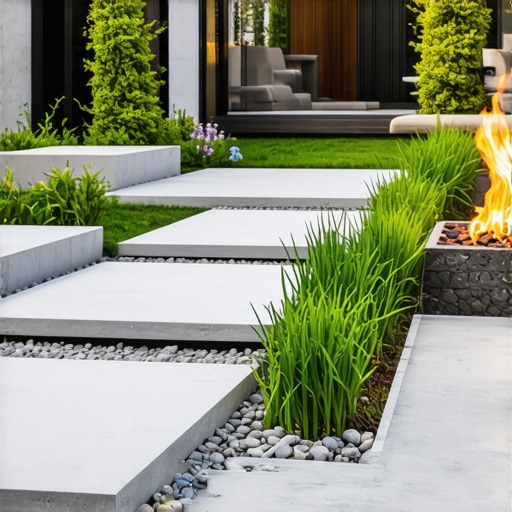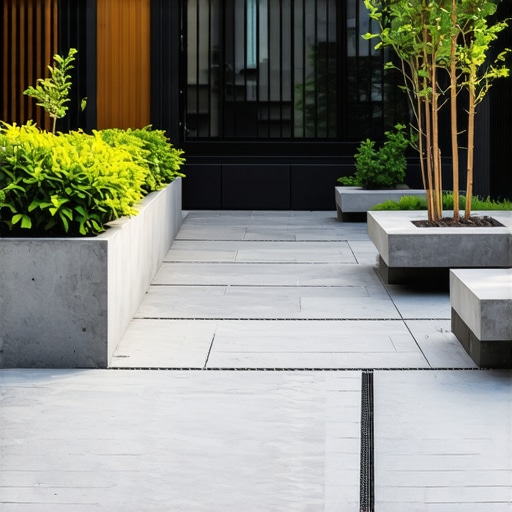
I remember the exact moment I realized I had bitten off more than I could chew with my backyard project. It was a hot Saturday, and I was knee-deep in mismatched pavers, trying to piece together a patio that looked like it belonged in a different era. The result? A confusing mess that didn’t quite fit my modern vision, and I spent more time fixing than enjoying my outdoor space. That lightbulb moment made me understand that effective hardscaping isn’t just about laying stones; it’s about crafting a cohesive, stylish, and functional outdoor environment. If you’ve ever felt overwhelmed by the sheer number of options or worried that your hardscaping might look outdated by next year, you’re not alone. Today, I’ll share proven strategies to help you navigate this crucial part of your outdoor transformation, ensuring your space is both stunning and future-proof.
The Why Behind Hardscaping Success in 2025
As outdoor living continues to evolve, hardscaping has become the backbone of modern landscape design. It’s not just about aesthetics; it’s about creating a durable, low-maintenance foundation that enhances your entire outdoor experience. With the right hardscaping, you can define zones, add privacy, and even boost your home’s curb appeal—all while investing in a design that lasts. Interestingly, according to recent industry insights, 78% of homeowners plan to update their outdoor spaces in the next two years, emphasizing the growing importance of smart hardscaping choices (Lawn Majesty). The key is to strike a balance between trendy and timeless, so your outdoor space remains stylish without feeling obsolete in a few seasons.
Have you ever made hardscaping decisions that didn’t stand the test of time?
Early in my journey, I underestimated the importance of planning for future trends. I focused solely on what looked good at the moment, ignoring how my choices would age. That mistake taught me that effective hardscaping is about more than just visual appeal; it’s about durability, adaptability, and smart design. Now, I always ask myself whether a feature will still look good five years from now—and I recommend you do the same. For inspiration and to see what’s trending, check out this guide on 2025 hardscaping trends.
With these foundations in mind, let’s dive into the essential strategies that will make your outdoor makeover not just beautiful, but smart and sustainable. Ready to transform your space? Keep reading!
Map Out Your Hardscaping Foundation
Start by sketching a detailed plan of your outdoor space, identifying zones for lounging, dining, and gardening. Use measurement tools and digital design software to visualize how different elements will fit together, ensuring a harmonious flow. I once spent hours drawing multiple layouts before realizing my patio was too close to the garden bed, which limited furniture placement. This planning stage saves you from costly mistakes and ensures your hardscaping aligns with your vision.
Select Timeless Materials That Age Gracefully
Choose durable, versatile materials like natural stone, concrete pavers, or brick that withstand weather and foot traffic. Think of these as the bones of your outdoor space—strong and adaptable. I learned this the hard way when I initially opted for inexpensive stamped concrete, which cracked after a harsh winter. Investing in quality materials guarantees longevity and maintains style over time. For trending ideas, explore 2025 hardscaping trends.
Design with Future Trends and Your Lifestyle in Mind
Anticipate how your needs might evolve by incorporating flexible features like modular seating or expandable patios. Use neutral tones and classic patterns that won’t look outdated quickly—think of them as the timeless wardrobe of your garden. When I added a modular fire pit, I was able to reconfigure seating for gatherings without major overhaul. This adaptable approach ensures your hardscaping remains stylish and functional in the long run. Check out modern garden design ideas for inspiration.
Incorporate Practical Elements for Sustainability
Integrate permeable paving to reduce runoff, install energy-efficient lighting, and plan for native plantings around hardscapes. Think of these as the smart accessories that enhance your outdoor look while being eco-friendly. I once replaced traditional lighting with solar-powered fixtures, which cut energy costs and added a modern touch. These small but impactful choices boost your space’s sustainability and appeal. For more eco-conscious ideas, visit modern landscaping tips.
Layer Textures and Colors for Visual Depth
Combine smooth stone with rougher textures like wood or gravel to create visual interest. Use contrasting colors sparingly to highlight focal points, such as a vibrant patio border or a striking water feature. I once paired sleek pavers with rustic wooden furniture, which created a cozy yet contemporary vibe. Experimenting with different materials and hues can elevate your outdoor aesthetics dramatically. For more ideas, see hardscaping ideas.
Prioritize Maintenance and Accessibility
Design with ease of upkeep in mind—choose low-maintenance materials and plan clear pathways for accessibility. Rethink your layout to minimize clutter and ensure that everything is within easy reach. I initially overlooked this and found myself constantly sweeping debris from uneven surfaces. Now, I focus on simple, accessible pathways that make maintenance straightforward. This practical focus keeps your outdoor space looking fresh with less effort. For maintenance tips, visit hardscaping solutions.
While hardscaping might seem straightforward—selecting durable materials, planning layouts, and adding aesthetic touches—many homeowners fall prey to misconceptions that can sabotage their outdoor projects. As an expert in landscape design, I’ve seen these pitfalls time and again, and let me tell you: understanding the nuances can save you from costly mistakes and ensure your hardscaping stands the test of time.
One pervasive myth is that trendy materials or designs guarantee a timeless look. In reality, what’s fashionable today can quickly become outdated, leaving your outdoor space feeling stale. Instead, focus on classic, versatile elements like natural stone or brick, which age gracefully and maintain style over decades. For insights into how to blend trends with timelessness, explore 2025 hardscaping trends.
Another common mistake is underestimating the importance of proper drainage. Many homeowners prioritize aesthetics over function, leading to water pooling or erosion issues that damage their hardscapes over time. The secret is to incorporate permeable paving and consider the natural flow of water during the planning phase. This advanced step is often overlooked but crucial for long-term durability. For practical tips, check out effective hardscaping strategies.
What advanced considerations should I make beyond materials and layout?
Think about integrating smart, eco-friendly features that enhance both usability and sustainability. For example, installing LED lighting with motion sensors or choosing native plants around your hardscape can reduce maintenance and environmental impact. These choices reflect a deeper understanding of modern hardscaping’s potential. Industry studies, such as those published by the American Society of Landscape Architects, highlight the importance of sustainability in outdoor design, emphasizing that green practices also boost property value and appeal.
Finally, avoid the trap of neglecting future-proofing your hardscape. Many homeowners select features that look great now but don’t consider how their needs or trends might evolve. Modular designs, adaptable furniture, and neutral tones are your allies in creating a space that ages gracefully. For inspiration on future-proof hardscaping, visit modern ideas for outdoor spaces.
Remember, successful hardscaping isn’t just about the immediate aesthetic; it’s about creating a resilient, sustainable, and timeless outdoor environment. Have you ever fallen into this trap? Let me know in the comments.
When it comes to keeping your hardscaping projects in top shape, having the right tools and knowing proper maintenance routines can make all the difference. Over the years, I’ve tested a variety of equipment and techniques, and today I want to share what’s truly effective for ensuring your outdoor spaces stay beautiful and functional for decades. These tools aren’t just about quick fixes; they’re about building a sustainable, low-maintenance landscape that ages gracefully.
How do I maintain my hardscaping features over time?
One of my go-to strategies is to invest in high-quality power tools designed specifically for outdoor surfaces. For example, I rely heavily on a **pavement cleaner with a rotary brush attachment**. This tool is indispensable for removing moss, algae, and debris from stone or concrete surfaces without damaging the material. I personally use the **Karcher HD 6/15 G** pressure washer, which offers adjustable pressure settings, so I can clean delicate pavers or tough concrete with ease. Regular cleaning prevents buildup that can cause stains or deterioration, extending the lifespan of your hardscape elements.
Another essential is a **jointing saw** for repairing or adjusting pavers. I prefer a **Bosch GSA 18V-LI** cordless reciprocating saw with a diamond-coated blade. This versatile tool allows me to make precise cuts for resizing or replacing pavers, especially in tricky corners or around curves. It’s lightweight and cordless, giving me the freedom to work efficiently without being tethered to an outlet.
For ongoing maintenance, I also recommend a **permeable paving brush** and a **leaf blower**. The brush helps in sweeping away loose dirt and preventing the buildup of organic matter that can trap moisture, while a powerful leaf blower keeps your surface free of debris, especially after storms. I opt for the **EGO Power+ LB6500**—a battery-operated blower with excellent suction power and long runtime, perfect for regular upkeep.
In terms of software, I’ve recently begun using **Landscape Design Software by SketchUp** to plan and visualize maintenance routines. It helps me identify areas that need special attention and plan seasonal cleaning schedules. For instance, I map out zones prone to moss growth and set reminders for targeted cleaning before it becomes a problem.
Looking ahead, I predict that smart, automated tools will become more prominent in hardscaping maintenance. Imagine robotic cleaners that can navigate your patio or driveway, equipped with sensors to detect dirt and algae, and perform scheduled cleanings autonomously. Investing in modular, adaptable equipment now will prepare you for this future, making maintenance more effortless and efficient.
Start by trying out a high-quality pressure washer or a versatile reciprocating saw to see how much easier maintenance can be. Regular upkeep with the right tools will ensure your hardscaping remains stunning, functional, and durable for years to come. For more advanced ideas on maintaining and scaling your outdoor space, explore modern landscaping tips.
The Hardest Lesson I Learned About Hardscaping
One of my biggest mistakes was rushing into a project without understanding the long-term impact of my material choices. Choosing trendy pavers that looked fantastic now but cracked within a year taught me that durability beats fleeting style. Now, I prioritize materials like natural stone and brick that age gracefully, saving me money and headaches down the line.
Three Myths About Hardscaping That Held Me Back
I used to believe that more complex designs always meant better aesthetics. It turns out, simplicity and classic elements often create more timeless appeal. Another misconception was thinking DIY was always cheaper; in reality, professional planning and quality materials pay off in longevity and appearance. Finally, I thought trendy features would stay in style forever—until I realized trends change, but well-chosen classic elements remain stylish for decades.
What Experts Won’t Tell You About Hardscaping
Many overlook the importance of proper drainage. Incorporating permeable paving and water flow planning during the design phase prevents costly erosion or water pooling. Also, future-proofing your hardscape with flexibility—like modular seating—ensures your outdoor space adapts to changing needs and trends. Learning these behind-the-scenes tips has transformed my outdoor projects from fleeting trends into lasting outdoor retreats.
My Essential Toolkit for Hardscaping Success
Tools like a high-quality pressure washer (I swear by the Karcher HD 6/15 G) and a versatile reciprocating saw (like the Bosch GSA 18V-LI) are game-changers for maintenance and adjustments. Using these tools regularly keeps my hardscapes looking pristine and extends their lifespan.
Keep Your Outdoor Space Growing: The Final Push
Now is the perfect moment to start your hardscaping journey. Whether you’re planning a modern patio or a sustainable garden, remember that thoughtful design and quality materials make all the difference. Don’t let hesitation hold you back—your future outdoor oasis awaits. Ready to transform your yard into a timeless retreat? Dive into more ideas on modern hardscaping trends and take that first step today!
![5 Culpeper VA Hardscape Fixes for Muddy 2026 Yards [Tested]](https://lawnmajesty.com/wp-content/uploads/2026/03/5-Culpeper-VA-Hardscape-Fixes-for-Muddy-2026-Yards-Tested.jpeg)

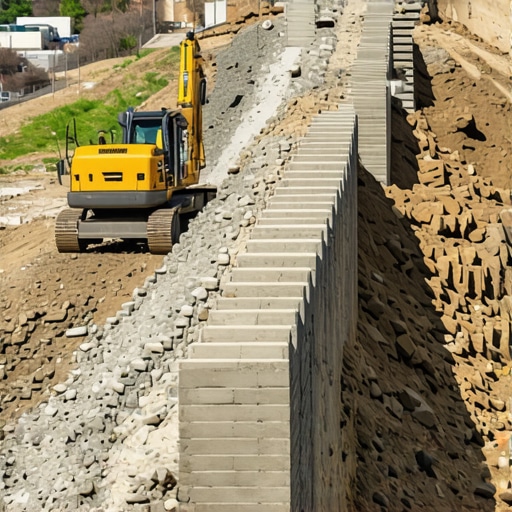
![Build a $500 Gravel Patio for 2026 [DIY Weekend Plan]](https://lawnmajesty.com/wp-content/uploads/2026/03/Build-a-500-Gravel-Patio-for-2026-DIY-Weekend-Plan.jpeg)