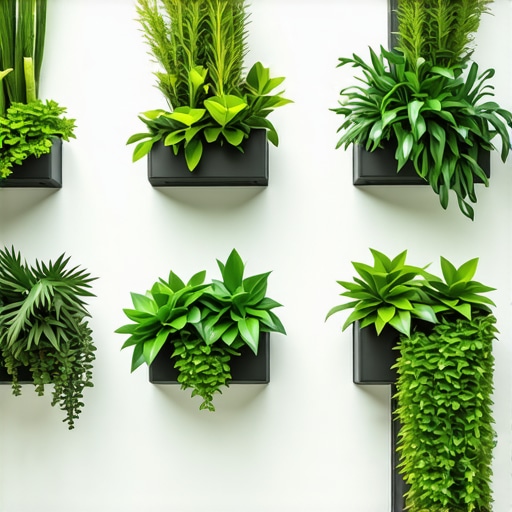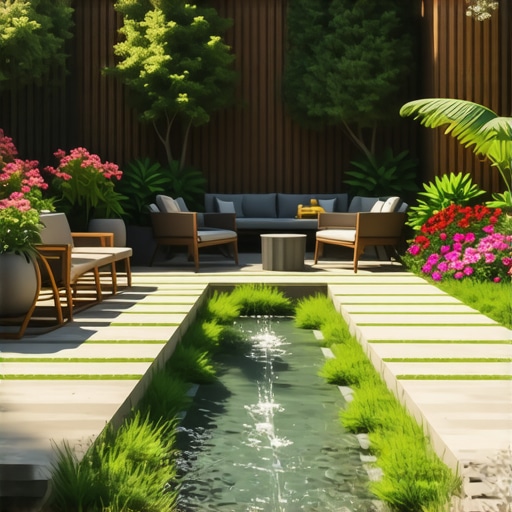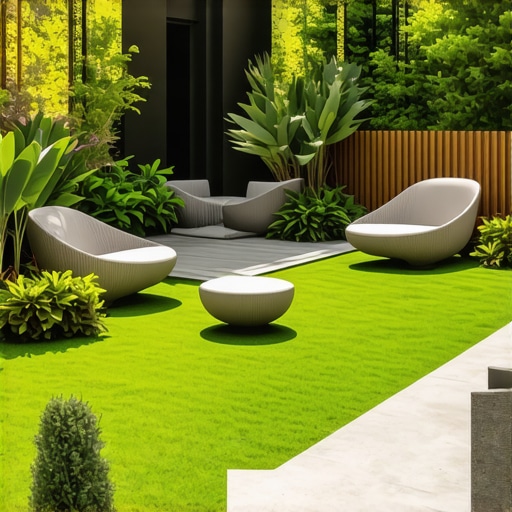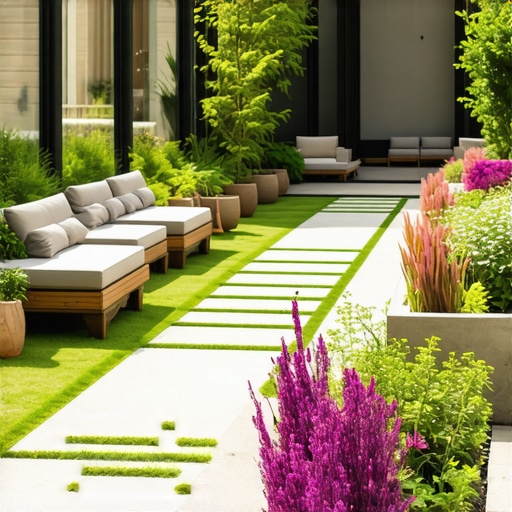
Ever spent hours planning your garden, only to see it wither away after the first season? I’ve been there. One spring, I poured my heart into a sleek, modern landscape—only to realize I had overlooked crucial details. The plants struggled, the hardscaping lost its charm, and I was left frustrated, wondering if I’d wasted my time and money. That lightbulb moment taught me a valuable lesson: lasting beauty in modern garden design doesn’t happen by chance. It requires a strategic approach and understanding the latest trends for 2025.
Why Your Garden Needs a Fresh Approach Now
With the gardening world rapidly evolving, what worked five years ago might not cut it today. Trends shift, climate conditions change, and new materials become available. If you want a garden that remains stunning for years to come, you need to stay ahead of the curve. I’ve learned that integrating innovative hardscaping ideas and modern landscaping techniques can make all the difference. Trust me, the payoff is worth it. Not only will your outdoor space look incredible, but it will also be easier to maintain and more resilient against weather swings.
Have you ever faced the disappointment of a garden that looked amazing initially but quickly faded?
Early in my gardening journey, I made the mistake of underestimating the importance of choosing the right materials for durability. I opted for trendy, inexpensive stones without considering their long-term performance, and I paid the price. Since then, I’ve discovered that the true secret lies in combining aesthetics with practicality—something you can learn more about in guides like modern landscape basics. Now, I want to share with you how to create a landscape that’s both stunning and built to last through 2025 and beyond.
In the upcoming sections, we’ll explore practical strategies, innovative hardscaping ideas, and expert tips that will transform your garden into a modern masterpiece. Ready to get started? Let’s dive into the latest trends and learn how to make your outdoor space truly stand out.
Lay the Foundation with Strategic Planning
Start by assessing your current outdoor space and identifying areas that need improvement. Sketch a layout that integrates modern hardscaping elements—such as sleek pathways, patios, or retaining walls—making sure they complement your existing landscape. I once spent a weekend mapping out my backyard, using painter’s tape to visualize potential hardscaping features. This hands-on approach prevented costly mistakes and clarified my vision before I bought any materials.
Choose Durable, Trend-Forward Materials
Opt for high-quality materials that promise longevity and match current trends. I recommend exploring hardscaping trends for 2025 to find inspiration. For example, polished concrete, textured pavers, or composite decking can give your garden a sleek, contemporary feel while resisting weather damage. Remember, investing in durable materials saves you time and money on repairs later.
Implement Hardscaping Techniques Step-by-Step
Focus on one feature at a time to keep the project manageable. I started by installing a gabion retaining wall, which involved stacking wire baskets filled with stones. The process was messy but rewarding; it transformed a slope into a usable terrace. Use proper planning to ensure level surfaces and secure foundations—skipping this step can lead to uneven walkways or collapsing structures. Consult effective hardscaping strategies for detailed techniques.
Incorporate Modern Landscaping Elements
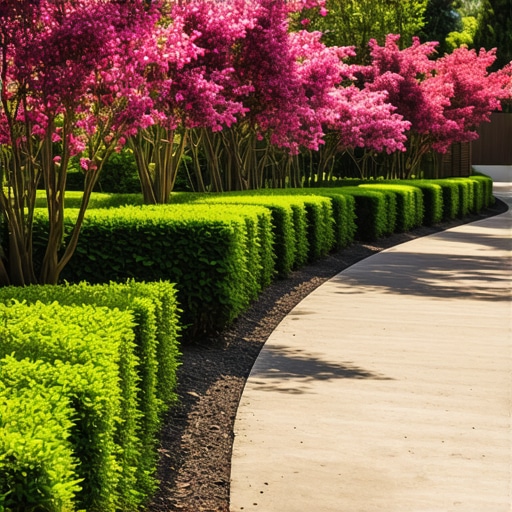
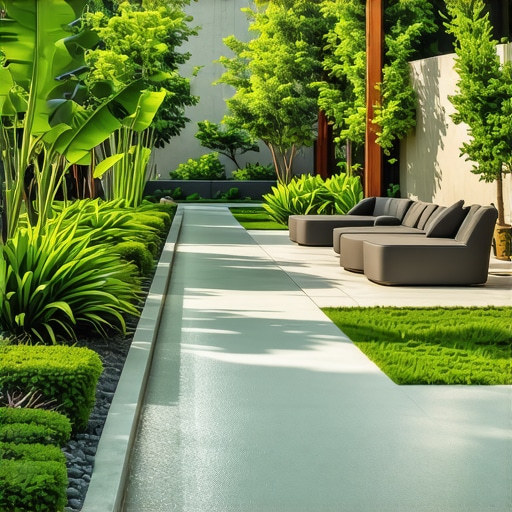
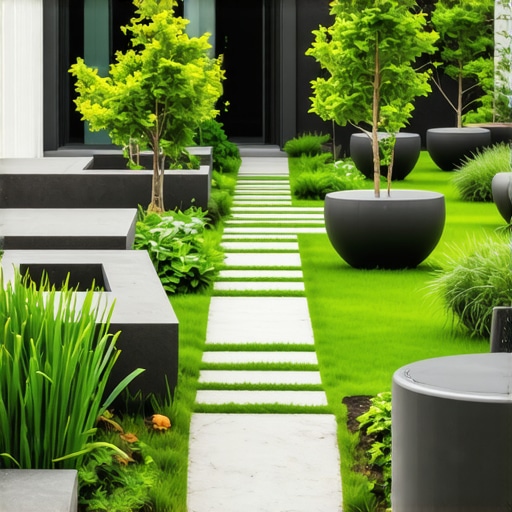
Pair your hardscaping with minimalist plantings—think ornamental grasses, low-maintenance shrubs, and sleek planters. The contrast between the hard materials and lush greenery creates visual interest and modern appeal. I placed tall, slender grasses along my walkway, which swayed beautifully in the breeze, adding movement and softness. Use modern landscaping tips to select plants that thrive in your climate and require minimal upkeep.
Focus on Maintenance and Longevity
Design with ease of maintenance in mind. Use materials that resist staining and erosion, and plan for simple irrigation solutions. I installed a drip irrigation system that keeps my plants hydrated without fussing over sprinkler schedules. Regular cleaning and sealing of hardscaping surfaces prevent deterioration and keep your garden looking pristine. Check out modern lawn care tips to maintain your landscape’s health and vibrancy.
Stay Ahead with Continuous Innovation
Keep your garden fresh by integrating new trends and technologies. Consider smart irrigation controllers or LED landscape lighting that adapts to your lifestyle. During my last project, I installed solar-powered path lights, which added ambiance and reduced energy costs. Staying updated with latest design solutions ensures your garden remains stylish and functional well into 2025 and beyond.
Many garden enthusiasts and even seasoned landscapers fall prey to misconceptions that can undermine the durability and beauty of their outdoor spaces. Let’s dig deeper into some of the most overlooked nuances and myths that can trip up even the most well-intentioned DIYers. Understanding these pitfalls is crucial for creating a garden that not only looks stunning but also stands the test of time.
Why Most People Overlook the Importance of Material Selection
One of the most common mistakes is choosing trendy or inexpensive materials solely based on aesthetics, without considering their long-term performance. For example, soft stone pavers may look appealing initially but can crack or wear quickly under harsh weather conditions. Instead, opting for durable materials like textured pavers or high-quality concrete can save you from costly repairs down the line. In fact, exploring 2025 hardscaping trends can help you select materials that marry style with resilience.
Many assume that all hardscaping materials are created equal, but this couldn’t be further from the truth. The hidden nuance lies in understanding the specific climate and usage patterns of your garden. For instance, in areas prone to freeze-thaw cycles, permeable paving options or properly sealed surfaces are essential to prevent cracking. Failing to consider these factors can lead to premature deterioration and increased maintenance costs.
Avoiding the Trap of Over-Planting
Another widespread myth is that more plants mean a more lush garden. While filling space with greenery might seem attractive, over-planting can lead to competition for nutrients and water, ultimately weakening your plants and cluttering your design. Modern garden design emphasizes thoughtful placement and selecting plants with similar maintenance needs, like ornamental grasses paired with minimalist shrubs. This approach ensures harmony, longevity, and ease of upkeep. Check out modern landscaping tips for plant selection strategies.
How Can Advanced Planning Save You from Future Disasters?
Many underestimate the value of detailed planning and end up making costly adjustments later. A common mistake is neglecting proper drainage, which can cause erosion and water pooling, damaging hardscaping and plant health. Incorporating effective drainage solutions from the start—like French drains or gravel beds—can prevent these issues. Remember, the key is not just to create a beautiful garden but also to ensure its functionality and longevity. For comprehensive strategies, consider consulting effective hardscaping ideas.
Have you ever fallen into this trap? Let me know in the comments. Avoid these common pitfalls, and your garden will thrive for years to come, blending style with resilience. Stay strategic, and keep evolving your landscape design to stay ahead of the trends and challenges of 2025 and beyond.
Maintaining a modern garden requires not only the right mindset but also the right tools to keep everything functioning smoothly over time. From power equipment to digital management, the choices you make can significantly impact the longevity and beauty of your outdoor space.
Invest in Quality Tools for Long-Term Success
Personally, I rely on a few key pieces of equipment that have proven their worth over years of gardening. A high-quality cordless electric hedge trimmer, for example, offers the convenience of quiet operation and minimal maintenance—perfect for shaping modern shrubs and ornamental grasses. I prefer models with lithium-ion batteries because they deliver consistent power and recharge quickly, ensuring I can finish my trimming sessions without interruption. Additionally, a durable, lightweight leaf blower helps keep hardscaping surfaces clean, preventing debris buildup that can cause staining or erosion.
For soil and planting, I use a precision soil tester to monitor pH and nutrient levels. This simple device guides me in adjusting fertilizers and amendments, ensuring my plants thrive without overfeeding or undernourishing. These tools are invaluable for maintaining healthy, vibrant greenery that complements your hardscaping features.
Automate for Efficiency and Precision
Automation technology is shaping the future of garden care. I’ve integrated a smart irrigation system that adapts watering schedules based on weather forecasts and soil moisture sensors. This not only conserves water but also prevents overwatering—crucial for hardscaping longevity and plant health. The system I use connects seamlessly with my smartphone, allowing me to make adjustments on the fly and receive alerts if any issues arise.
In the future, expect even smarter systems that incorporate AI to analyze weather patterns and optimize watering, fertilizing, and pest control automatically. Staying ahead with these innovations can save you time and reduce maintenance efforts, letting you enjoy your garden without constant fussing.
How do I maintain hardscaping and softscape over time?
Routine maintenance is key to preserving your garden’s modern aesthetic. I regularly inspect and clean hardscaping surfaces, sealing stones and concrete to prevent staining and cracking. For softscape, pruning, mulching, and fertilizing are essential, guided by data from my soil tester. Using eco-friendly, high-quality fertilizers ensures my plants remain lush and healthy, contributing to a balanced landscape design.
Remember, tools are only part of the equation. Proper techniques, like aerating soil annually and applying organic mulch, also prolong the life of your hardscaping and softscape features. For more detailed tips, explore modern lawn care tips.
As gardening technology advances, I predict a trend toward fully integrated, AI-powered landscape management systems that will simplify maintenance even further. Try incorporating a smart irrigation controller today to see immediate benefits in water efficiency and plant health, and stay tuned for future innovations that will make garden care more effortless than ever.
Lessons the Hard Way: What I Wish I Knew About Modern Garden Design
- One of the biggest surprises was realizing that durability often trumps trendy aesthetics. I once chose a sleek, inexpensive stone that cracked after a harsh winter, which taught me to prioritize quality over looks.
- Over-planting seemed like a good idea at first, but I learned that thoughtful, strategic plant placement creates a more harmonious and sustainable garden. Less is often more.
- Proper planning, especially drainage, can save you from costly repairs down the line. I neglected this initially and paid the price with erosion and pooling issues.
My Top Picks for Tools and Resources
- My go-to resource is Lawn Majesty’s guide on modern landscape basics. It provides comprehensive insights into trending materials and techniques that stand the test of time.
- I rely heavily on a durable cordless hedge trimmer and a soil tester—tools that help me maintain a sleek, modern look with minimal fuss. Trustworthy brands and quality matter here.
- For inspiration and up-to-date trends, I follow latest hardscaping trends for 2025. Staying informed ensures your garden remains both stylish and resilient.
Your Turn to Elevate Your Garden
Creating a stunning, long-lasting modern garden isn’t just about following trends—it’s about understanding your space and making strategic choices that pay off. With the right planning, materials, and tools, you can turn your outdoor area into a masterpiece that endures for years.
What’s the one hardscaping project you’re most excited to try in your garden? Share your plans or questions below—I’d love to hear your ideas!