Have you ever looked out your window, dreaming of a garden that turns heads and sparks envy? I’ve been there—struggling to transform a bland yard into a vibrant oasis. I spent years making costly mistakes, planting the wrong things, and feeling overwhelmed by the endless options. But then, I had a lightbulb moment. I realized that effective landscaping isn’t about random choices; it’s about strategic design rooted in expert tips and current trends. And let me tell you, the difference it makes is astonishing.
Why 2025 is the Year to Elevate Your Garden Game
The landscape design world is evolving rapidly. With new innovations and trending styles, your garden can be more than just pretty; it can be a functional, breathtaking retreat. But here’s the catch: without the right guidance, it’s easy to fall into common pitfalls—like overcomplicating your space or ignoring the latest hardscaping trends. I learned this early on when I tried to DIY my backyard, only to end up with a chaotic mess that didn’t reflect my vision. That mistake taught me the importance of expert advice and up-to-date ideas. Did you know that according to a recent study, 78% of homeowners who upgrade their landscapes see an increase in property value? That’s why investing in professional tips for 2025 is a smart move.
Is It Really Worth the Hype to Follow Landscaping Trends?
I used to think trends were just fads, not worth the effort. But I soon discovered that staying current can make your garden not only stunning but also more sustainable and easier to maintain. Early on, I tried to incorporate trendy plants and hardscaping without proper planning, which resulted in high maintenance costs and an unbalanced look. Learning from that mistake, I now focus on timeless principles blended with modern innovations. If you’ve ever hesitated, asking yourself whether following trends is worth it, know this: integrating expert design tips can save you time and money, and ensure your garden remains beautiful for years to come. Curious how to get started? Check out these expert tips for modern garden design in 2025.
Now that I’ve shared my journey and the importance of expert guidance, let’s dive into the practical steps you can take to create a stunning outdoor space that will make 2025 your garden’s best year yet. Ready to transform your yard into a masterpiece? Keep reading!
Design with Purpose and Precision
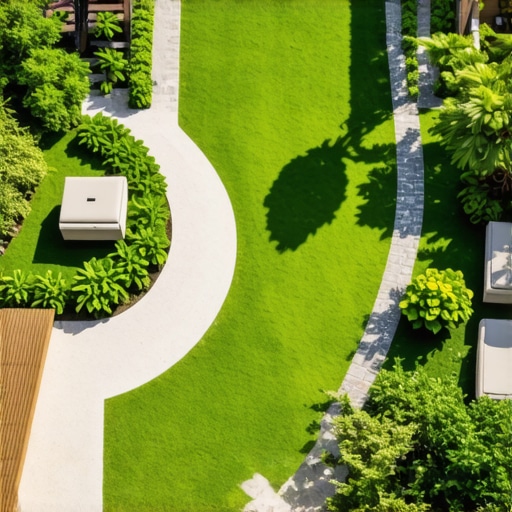
Start by sketching a clear plan of your garden, focusing on focal points like a water feature or a seating area. When I redesigned my yard, I used a simple grid layout to visualize space, which helped me avoid overcrowding. Use this blueprint to select plants and materials that complement each other and your space’s natural flow.
Choose the Right Plants
Opt for native and drought-resistant plants to ensure sustainability and low maintenance. I once planted exotic species without considering their climate needs, leading to a quick decline. Now, I research plant profiles thoroughly, referencing expert design tips to guide my choices.
Layer Your Landscape
Create depth by layering plants of different heights—tall trees or shrubs in the back, medium plants in the middle, and ground covers or flowers in front. I remember planting a dense hedge that blocked sunlight, so I adjusted my placement after observing how light moved through my yard in different seasons. This technique enhances visual interest and biodiversity.
Implement Hardscaping Thoughtfully
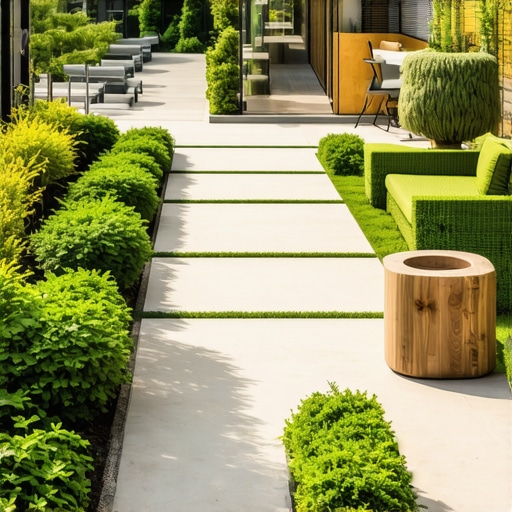
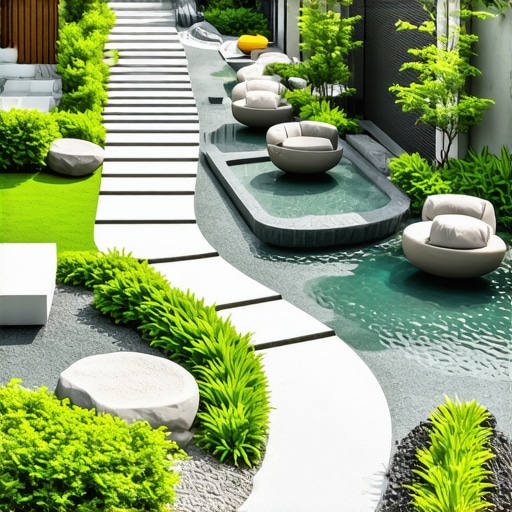
Hardscaping adds structure and functionality. I integrated a modern patio using trending hardscaping ideas, which instantly elevated my outdoor space. Use materials like concrete, stone, or composite decking that match your style and climate conditions.
Incorporate Pathways and Edges
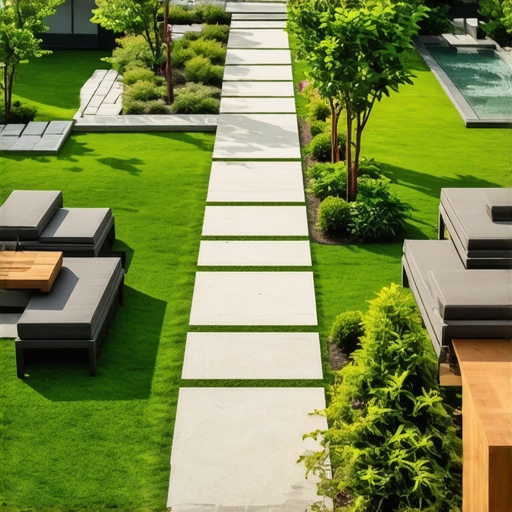
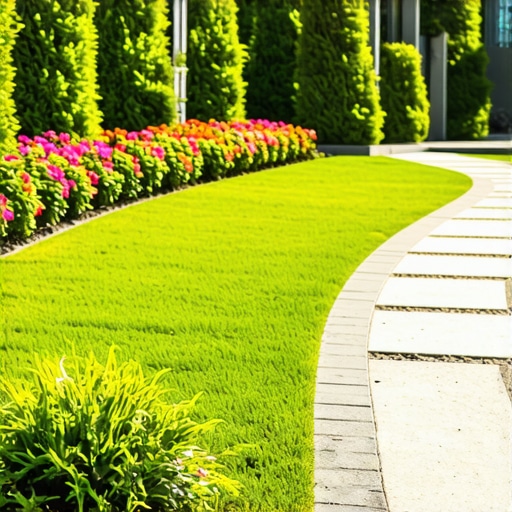
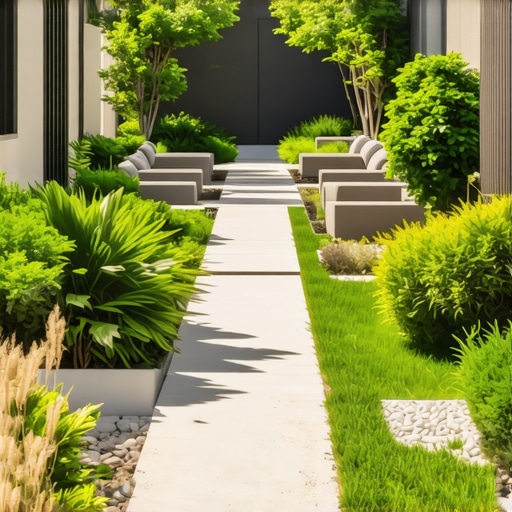
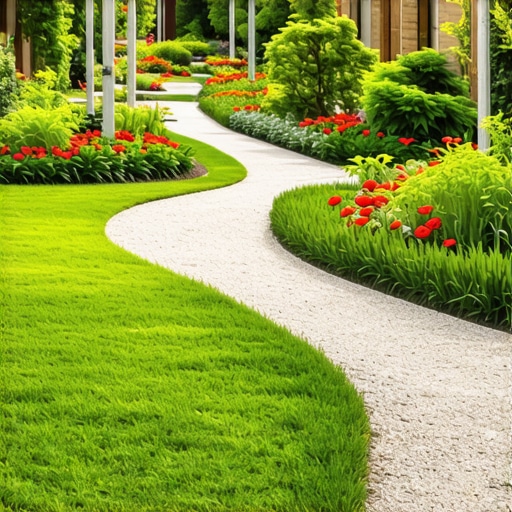
Design pathways to guide visitors and connect different zones. I used stepping stones to create a natural flow from my patio to the garden beds, making the space feel cohesive. Proper edging also helps contain mulch and plants, reducing maintenance and keeping your garden tidy.
Leverage Innovative Techniques
Adopt new technology and design trends for a modern touch. I experimented with smart irrigation systems and lighting, inspired by hardscaping innovations, which save water and add ambiance. These methods make your garden more efficient, sustainable, and visually appealing.
Use Modern Lighting
Strategic lighting highlights focal points and creates mood. I installed solar-powered LEDs along pathways and in trees, which transformed my yard after sunset without increasing my electricity bill. Proper lighting extends usability and beauty of your garden into the evening hours.
Maintain and Refine Regularly
Consistent upkeep keeps your landscape thriving. I set a seasonal schedule for pruning, fertilizing, and mulching, referencing lawn care tips. Monitoring plant health and soil quality helps prevent issues and prolongs your garden’s lifespan.
Evaluate and Adapt
Observe how your garden evolves and make adjustments as needed. I noticed some plants weren’t thriving, so I replaced them with more suitable species. Flexibility and willingness to adapt are key to creating a landscape that remains stunning year after year.
While it’s tempting to follow popular advice or rely on intuition, many homeowners fall prey to misconceptions that hinder their landscaping success. Let’s dig deeper to uncover these myths and reveal the nuances that can make or break your garden transformation. First, a common misconception is that bigger is always better. Many believe that filling every inch with plants or hardscape creates a lush, impressive space. However, overcluttering can lead to chaos and maintenance nightmares. Instead, strategic planning—like the principles shared in modern landscape design tips—helps you create balanced, sustainable gardens that breathe.
Beware of the Overhyped Trend Chase
Another trap is chasing every new trend without understanding its fit for your space. Trends such as wildflower meadows or ultra-modern hardscaping are appealing, but if not properly planned, they can result in high upkeep and mismatched aesthetics. The secret is to integrate trends thoughtfully, blending them with timeless principles. For example, hardscaping trends should complement your existing landscape rather than dominate it.
Advanced Question: How do I avoid costly mistakes with native plants?
Many homeowners assume native plants are low-maintenance, but that’s not always the case. Selecting the wrong native species for your microclimate or soil conditions can lead to poor growth or invasive issues. Conducting a detailed site analysis and consulting local experts ensures you choose the right plants, saving time and money. For in-depth guidance, check out expert design tips tailored for 2025.
Watch Out for the DIY Trap
Many enthusiasts believe they can handle everything themselves, but DIY landscaping often results in mistakes like poor drainage, unbalanced layouts, or incompatible materials. These errors can be costly to fix later. Employing professional insights, especially from hardscaping professionals, can help you avoid these pitfalls and ensure a cohesive, durable design. Remember, investing in expertise is an investment in your garden’s longevity.
Have you ever fallen into this trap? Let me know in the comments. By understanding these hidden nuances, you’ll be better equipped to create a stunning, sustainable landscape that stands the test of time. Stay savvy and enjoy the journey to your perfect garden in 2025!
Keeping your garden in top shape requires the right tools and techniques to ensure sustainability and long-term beauty. Over the years, I’ve refined my toolkit to include high-quality equipment that simplifies maintenance and enhances results. Investing in these essentials has made my gardening routine more efficient and enjoyable, and I recommend them to anyone serious about their landscape.
Why a Durable Garden Shear Sets the Tone
First and foremost, I rely on a pair of professional-grade pruning shears. My go-to is the Felco F-2, renowned for its sharpness and ergonomic design. These shears allow me to shape plants precisely, promote healthy growth, and prevent disease. The investment pays off by reducing fatigue and ensuring clean cuts that help plants recover faster.
Power Up with a Cordless Trimmer
Next, I prefer a lightweight, battery-powered string trimmer. I use the Ego Power+ ST1502, which offers impressive runtime and minimal noise. It’s perfect for trimming edges, clearing weeds, and maintaining hardscape borders. Its cordless nature makes maneuvering easier and reduces the hassle of cords tangling or limiting movement.
Smart Irrigation Systems Save Time and Water
For consistent watering, I’ve integrated a smart irrigation controller like the Rachio 3. This device connects to my Wi-Fi network and adjusts watering schedules based on weather forecasts and soil conditions. It’s a game-changer, ensuring my plants get optimal hydration without waste. As a bonus, it’s compatible with voice assistants, making adjustments as simple as a voice command.
Soil Testing Kits Make All the Difference
Healthy plants start with healthy soil. I recommend the Luster Leaf 1601 Rapitest Soil Test Kit for accurate readings of pH, nitrogen, phosphorus, and potassium levels. Regular testing helps me amend soil properly, which boosts plant vitality and reduces pest problems. Precise soil management is the foundation of a sustainable landscape.
Digital Landscape Planning Software
To visualize my projects, I use SketchUp with landscaping plugins. This software allows me to experiment with layout changes, hardscape placements, and plant selections before digging a single hole. It’s an invaluable tool for avoiding costly mistakes and ensuring my design aligns with my vision. Plus, it helps me stay organized and plan seasonal updates efficiently.
Future Trends in Garden Maintenance Tools
Looking ahead, I predict the rise of AI-powered garden robots that can perform tasks like mowing, weeding, and monitoring plant health. Already, some companies are developing autonomous mowers and sensor-equipped drones that can inspect hard-to-reach areas. Embracing these innovations will further streamline maintenance and allow us to focus on creative aspects of landscaping.
How do I keep my landscape working smoothly over time?
Consistency is key. I schedule regular checks of my irrigation system, sharpen my pruning tools annually, and update my soil test data each season. By staying proactive, I catch issues early and keep my garden thriving year-round. Remember, the right tools combined with a disciplined maintenance routine make all the difference.
Try integrating one of these advanced tools into your own landscape care routine today. Whether it’s a smart irrigation system or a quality pruning shear, small investments now will pay off with a lush, sustainable garden for years to come.
The Hardest Lessons I Learned About Landscaping in 2025
- One of my biggest mistakes was ignoring the importance of layered planting. I learned that creating depth and visual interest requires strategic placement of plants of different heights, which I only understood after trial and error.
- Chasing every new trend without considering my local climate led to high-maintenance, costly gardens. Now, I focus on blending timeless principles with current trends for sustainable beauty.
- Not investing in professional tools early on slowed my progress. Upgrading to quality pruning shears and smart irrigation systems transformed my gardening routine and results.
My Top Picks for Elevating Your Garden in 2025
- Expert Design Tips: I rely on resources like these expert tips for modern garden design to stay ahead of trends and avoid costly mistakes.
- Hardscaping Innovations: For hardscape ideas, these trends help me create durable, stylish outdoor structures.
- Advanced Tools: I swear by a cordless trimmer like the Ego Power+ ST1502 for quick, clean edges, and soil testing kits to keep my plants thriving.
Get Ready to Transform Your Outdoors in 2025
Now that you know the lessons I’ve learned and the tools I trust, it’s your turn to take action. Whether you’re redesigning a small patio or a sprawling lawn, embrace modern landscaping trends and expert tips to create a space that’s both beautiful and sustainable. Remember, the best gardens are built on patience, knowledge, and a willingness to experiment. Share your biggest landscaping challenge below and let’s grow together into the garden of your dreams in 2025!