Stop 2026 Japanese Beetle Damage [Organic Methods]
The Forensic Autopsy of a Chemical Lawn Disaster
Last August, I walked onto a property where the lawn looked like a charred steak, a direct result of a homeowner panic-applying synthetic pesticides. They had spotted three skeletonized rose leaves and decided to dump triple the recommended dose of a high-nitrogen fertilizer and a broad-spectrum neurotoxin insecticide in 95-degree heat. The result was not a beetle-free paradise; instead, they sterilized the soil microbiology, killed every beneficial earthworm, and created a hydrophobic crust that cost $12,000 to excavate and replace. They missed the fundamental rule of horticulture: the beetle is a symptom of an anaerobic, compacted soil environment. If you want to stop the 2026 Japanese beetle invasion, you must start by fixing the biological foundation of your turf, not just poisoning the canopy. [IMAGE_PLACEHOLDER]
Understanding the Popillia Japonica Life Cycle for 2026 Control
To stop 2026 Japanese beetle damage organically, you must target the larval stage (grubs) during late summer and the adult beetle population in early July using beneficial nematodes, Milky Spore, and physical barriers that disrupt their breeding cycles without toxic chemicals. The life cycle is a predictable 12-month clock. In late June, adults emerge from the soil to feed and mate. By August, they are diving back into the turf to lay eggs. These eggs hatch into white grubs that feed on your grass roots through October. Understanding this timeline is the difference between a successful organic program and wasting money on products applied at the wrong time. If you apply nematodes in June, they will starve. If you apply Milky Spore to frozen ground, the bacteria will never colonize. Precision is the only way to beat a pest that has been outsmarting homeowners for a century.
“Biological control of Japanese beetle larvae through the use of Milky Spore (Bacillus popilliae) requires a patient, long-term approach, as the bacteria must build up in the soil over several years to be effective.” – Penn State Extension Agricultural Manual
Why Your Lawn is a Beetle Magnet
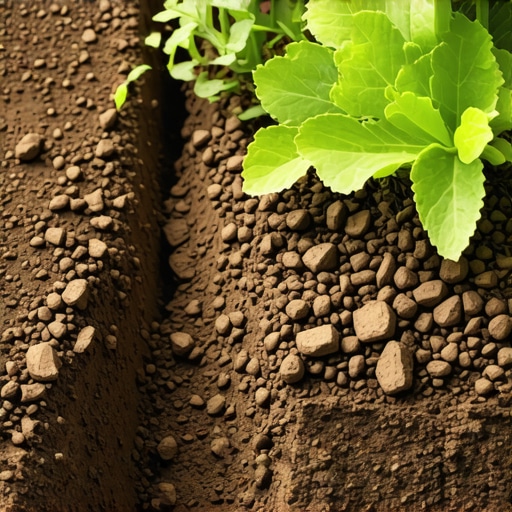
Your lawn attracts Japanese beetles because of excessive soil moisture, high nitrogen levels, and low mowing heights which create a perfect landing strip for egg-laying females. Most homeowners scalp their lawn at 2 inches. This exposes the soil surface, making it easier for beetles to burrow. I tell my crew: three inches is the minimum, four inches is the goal. Tall grass shades the soil, making it cooler and less attractive for egg deposition. Furthermore, over-watering in July and August is an invitation. Beetles need moist soil to ensure their eggs don’t desiccate. By allowing your lawn to go into a managed summer dormancy, you effectively tell the beetles to go lay their eggs in your neighbor’s over-irrigated turf. It is cold-blooded, but it works. Soil compaction also plays a role. In compacted soil, grass roots stay near the surface. When grubs start feeding, they hit the root zone immediately. A lawn that has been core-aerated to a depth of 3 to 4 inches allows roots to dive deep, surviving grub pressure that would kill a weaker lawn.
What is the best organic way to kill Japanese beetle grubs?
The most effective organic method involves the application of Heterorhabditis bacteriophora nematodes during the late summer window when soil temperatures are between 60 and 85 degrees Fahrenheit. These microscopic organisms enter the grub through natural body openings and release a symbiotic bacteria that kills the host within 48 hours. Unlike chemicals, nematodes are mobile and will actively hunt for larvae in the soil profile. However, they are sensitive to UV light. You must apply them at dusk or on a cloudy day, and you must pre-saturate the lawn to ensure they can swim through the soil pores. If you spray them onto dry, hot grass, they will die in minutes. This is why the DIY approach often fails; it is not the product, it is the application technique.
The Organic Arsenal: Milky Spore and Biological Warfare
Milky Spore (Bacillus popilliae) is a specialized bacterium that infects the gut of the Japanese beetle grub, causing a milky-white appearance in their blood and eventually killing them. This is a long-term play. Once a grub dies from Milky Spore, it releases billions of new spores back into the soil. It can take three to five years to reach peak efficacy, but once established, it can protect a lawn for over a decade. I recommend a grid-pattern application. Use a dispenser tube to drop a teaspoon of powder every four feet. Do not use a broadcast spreader; you want concentrated zones of infection. We also look at the garden beds. Geraniums are a secret weapon. They contain a compound that temporarily paralyzes Japanese beetles. When they feed on the petals, they fall to the ground, where they are vulnerable to predators like ants and birds for several hours. It is a biological trap that requires zero maintenance.
| Control Method | Target Phase | Application Window | Environmental Impact |
|---|---|---|---|
| Milky Spore | Larval (Grub) | Spring/Fall | Zero (Safe for bees/pets) |
| Beneficial Nematodes | Larval (Grub) | Late Aug – Sept | Zero (Promotes soil health) |
| Neem Oil (Clarified) | Adult Beetle | July (Weekly) | Low (Avoid flowering plants) |
| Btg (Bacillus thur. galleriae) | Larval & Adult | Active Feeding | Minimal (Targeted) |
“Effective management of Japanese beetles involves an Integrated Pest Management (IPM) strategy that prioritizes cultural practices like height-of-cut and soil moisture management over broad-spectrum chemical applications.” – Cornell Department of Entomology
Hardscaping to Prevent Beetle Infestation
Hardscaping projects like permeable paver patios, gravel drip edges, and retaining walls reduce the total available square footage for beetle egg-laying while improving site drainage. Beetles cannot penetrate a properly compacted modified gravel base. When we install a patio, we use a 6-inch base of 2A modified stone, compacted with a vibratory plate tamper until the PSI exceeds 3,000. This creates a mechanical barrier. If you have a recurring beetle problem near your foundation, replacing a 2-foot strip of turf with a decorative river rock mulch over a heavy-duty geotextile fabric can significantly reduce the local population. It also prevents hydrostatic pressure from building up against your foundation. Water is the enemy of both your basement and your lawn’s health. By installing French drains integrated into your hardscape, you control the moisture levels that beetles crave.
How much modified gravel do I need for a patio base?
To calculate your gravel needs, multiply the square footage by the desired depth in feet (e.g., 0.5 feet for 6 inches), then divide by 27 to get cubic yards; typically, one ton of modified stone covers about 100 square feet at a 2-inch depth. Precision in your base layer prevents the settling and heaving that creates the moist, dark crevices where beetles and other pests love to hide during the heat of the day. A solid base is the foundation of a pest-resistant landscape.
The 2026 Remediation Checklist
- Soil Test First: Ensure your pH is between 6.5 and 7.0. Acidic soil stresses grass and favors beetle larvae survival.
- Aerate in September: Pull 3-inch cores to relieve compaction and allow nematodes to penetrate deeper into the rhizosphere.
- Overseed with Endophyte-Enhanced Turf: Use fescues or perennial ryegrasses that contain symbiotic fungi which are toxic to leaf-feeding insects.
- Ditch the Traps: Pheromone traps attract beetles from up to a mile away. You are essentially inviting the neighborhood to a buffet on your property.
- Hand-Pick in the Morning: Adult beetles are sluggish in the early morning. Shake them into a bucket of soapy water. One female killed in July prevents 50 grubs in August.
- Calibrate Irrigation: Aim for 1 inch of water per week, delivered in a single session. Shallow daily watering is a beetle’s best friend.
The Biological Reality of the 2026 Season
Beetles are not a disaster; they are an indicator. If your yard is being decimated, your ecosystem is out of balance. You likely have a monoculture of highly stressed turf grass. By diversifying your plantings with native species like oak and maple, which can withstand some feeding, and avoiding attractants like Lindens or Roses, you create a resilient landscape. Organic control is not about a single ‘kill’ event; it is about making your property the least attractive option in the zip code. It takes discipline to walk past the cheap bags of poison at the big-box store, but your soil, your pets, and your 2026 lawn will thank you. Don’t be the homeowner who torched their yard. Be the one who understands the biology. Fix the soil, and the beetles will move on.