
Stop 2026 Crabgrass with This Pre-Emergent Schedule
The Chemical Nightmare: Why Your 2025 Lawn Failed
Last season, I walked onto a property where the homeowner had literally scorched four thousand square feet of tall fescue because they confused their nitrogen ratios and applied a high-load weed-and-feed in the middle of a 90-degree July drought. The lawn wasn’t just dead; the soil biology was sterilized. By August, that bare, cracked earth was an absolute carpet of Digitaria (crabgrass). This is the forensic reality of most residential lawns: you aren’t fighting a plant, you are fighting a seed bank that has been building up for a decade. If you want a clean stand of turf in 2026, the war starts in the cold mud of late winter, not when you see the first lime-green stalks in June. Stop guessing. Start measuring.
The Biological Trigger: Why 55 Degrees is the Magic Number
To stop 2026 crabgrass, you must apply a pre-emergent herbicide like Prodiamine or Dithiopyr when soil temperatures consistently hit 55 degrees Fahrenheit at a four-inch depth for three consecutive days. This timing is critical because it ensures the chemical vapor barrier is established before the Digitaria embryos begin their metabolic surge and breach the soil surface.
[IMAGE_PLACEHOLDER]
How do I accurately measure my soil temperature?
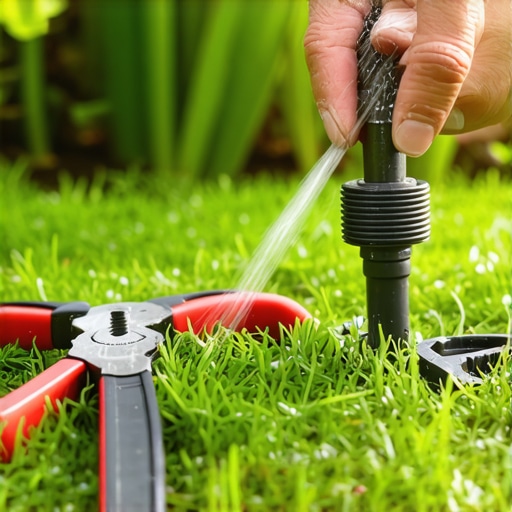
Don’t trust the air temperature or your neighbor’s calendar. Use a dedicated soil thermometer or a digital probe. Push the probe four inches into the dirt in a spot that gets average sun exposure—not right next to a concrete driveway which acts as a heat sink, and not in the deep shade of a north-facing wall. Check it at 9:00 AM for three days straight. When that needle hits 55, you have a 48-hour window to get your first application down before the germination window opens wide. If you wait until you see the yellow dandelions, you are already too late for peak control.
“Pre-emergent herbicides do not prevent germination; they kill the seedling as it attempts to grow through the treated soil layer. Timing is the singular variable that dictates success or total failure.” – Penn State Center for Turfgrass Science
The 2026 Pre-Emergent Deployment Schedule
| Phase | Timing (Soil Temp) | Active Ingredient | Application Goal |
|---|---|---|---|
| Initial Strike | 50°F – 55°F | Prodiamine 65 WDG | Establish 4-month vapor barrier |
| The Booster | 65°F – 70°F | Dithiopyr (Dimension) | Extended control + early post-emergent kill |
| Cleanup | Early June | Quinclorac (Spot Treat) | Target escapes in high-heat zones |
Chemical Engineering: Prodiamine vs. Dithiopyr
In the professional landscaping world, we don’t buy bags based on the picture of the dog on the front. We look at the active ingredients and the pounds of active ingredient (AI) per acre. Prodiamine is the gold standard for your first pass because it has a long half-life and won’t wash away in heavy spring rains. However, it offers zero post-emergent control. If a seed has already sprouted, Prodiamine is useless. That is why we pivot to Dithiopyr for the second application. Dithiopyr is unique because it offers ‘reach-back’—it can kill crabgrass that has already reached the one-to-three leaf stage. It is your insurance policy against a wet, warm spring that might have triggered early germination before you got your spreader out of the garage.
Can I overseed my lawn while using pre-emergents?
Short answer: No. Lawn care chemicals do not know the difference between a $100 bag of elite Kentucky Bluegrass seed and a crabgrass seed. If you apply a pre-emergent, it will prevent your expensive grass seed from establishing roots. If you must seed in the spring, you are forced to use Mesotrione (Tenacity), which is the only chemical that allows for turf germination while suppressing weeds, but its residual window is short—usually only 30 days. For 2026, I recommend skipping the spring seed. Focus on the barrier. Save your seeding for the fall when the soil is warm and the weed pressure is low.
The Hardscape Influence: Micro-Climates and Edge Failure
Your hardscaping—driveways, pavers, and stone retaining walls—is the biggest enemy of your pre-emergent barrier. Concrete and asphalt are thermal masses. They soak up solar radiation all day and radiate that heat into the adjacent six inches of soil all night. This means the soil next to your sidewalk might be 62 degrees while the middle of the yard is still at 50. This is why you always see crabgrass ‘bleeding’ in from the edges of the driveway first. To combat this, we use a technique called ‘trimming the edges.’ When applying your pre-emergent, do a heavy pass along all hard surfaces first. This ensures a higher concentration of the active ingredient where the heat stress is highest.
2026 Crabgrass Prevention Checklist
- Calibrate your spreader: Do a catch-pan test to ensure you are dropping exactly 2.5 lbs per 1,000 square feet. Guessing leads to chemical burn or total failure.
- Water it in: Most pre-emergents require 0.5 inches of irrigation or rain within 24 hours to ‘activate’ and move the chemical into the top inch of the soil profile.
- Mow high: Keep your deck at 3.5 to 4 inches. Shading the soil is a natural way to keep temperatures down and prevent weed seeds from getting the light they need to thrive.
- Soil pH Check: If your pH is below 6.0, your herbicides won’t work efficiently. Add lime in the fall to prep for the spring strike.
“A retaining wall doesn’t fail because of the stone; it fails because of the water trapped behind it, just as a lawn fails because of the biology ignored beneath it.” – Hardscape Engineering Axiom
The Science of the Vapor Barrier
When you apply these chemicals, you aren’t just dusting the grass. You are creating a microscopic shield. If you disturb the soil—by power raking, heavy aerating, or even just letting the dog dig—you break that shield. Once the barrier is broken, the Digitaria seeds in the lower soil profile will find the gap and push through. This is why garden design and maintenance must be synchronized. Do not plan a major planting project or a new hardscaping install right after you’ve laid down your pre-emergent. You will literally be digging holes in your defense. Wait until the fall or do the heavy construction before the first chemical application.

![5 2026 Drought-Proof Grass Alternatives [Tested]](https://lawnmajesty.com/wp-content/uploads/2026/06/5-2026-Drought-Proof-Grass-Alternatives-Tested.jpeg)

![Stop 2026 Lawn Burn: 3 Mowing Height Rules [Tips]](https://lawnmajesty.com/wp-content/uploads/2026/05/Stop-2026-Lawn-Burn-3-Mowing-Height-Rules-Tips.jpeg)