Build a $400 2026 Stone Retaining Wall [DIY]
The Hardscape Autopsy: Why Cheap Walls Fail
I recently got called out to tear up a $30,000 patio that was sinking because the previous contractor thought he could save a few bucks on the base layer. He used pea gravel instead of modified stone. Water moved through the base, washed out the fines, and the entire structure collapsed into a subterranean void. This is the reality of hardscaping. If you are looking to build a $400 2026 stone retaining wall, you are likely working on a small-scale project, perhaps 10 to 12 linear feet at a 1-foot height. You cannot afford to waste a single cent on the wrong materials. In the world of civil engineering, a retaining wall is not a decoration; it is a structural device designed to resist the lateral pressure of soil. Most DIYers see a wall; I see a dam holding back a sea of mud. One heavy rain and an improperly built wall becomes a pile of expensive debris.
How to Calculate the Cost of a DIY Stone Retaining Wall
To build a $400 2026 stone retaining wall, you must prioritize structural drainage and a compacted aggregate base over aesthetic stone choice. Success requires AASHTO #57 stone for backfill and a minimum 6-inch tamped sub-base to mitigate hydrostatic pressure. For a 2026 budget, expect material costs to be lean. You will spend roughly $120 on aggregate (base and drainage), $40 on geotextile and pipe, and $240 on the stones themselves. This is not the time for imported Italian marble. You are looking at local limestone or dry-stack fieldstone. Don’t skip the base. It is the only thing keeping your wall from heaving during the first freeze-thaw cycle.
| Material Item | Purpose in Engineering | Estimated 2026 Cost |
|---|---|---|
| 2A Modified Stone | Load-bearing sub-base | $55 (1 ton) |
| #57 Clean Stone | Hydrostatic relief | $60 (1 ton) |
| Wall Blocks/Stone | Structural Facing | $240 |
| Geotextile Fabric | Soil separation | $25 |
| Drainage Pipe | Water diversion | $20 |
Engineering the Drainage: Why Most DIY Walls Collapse
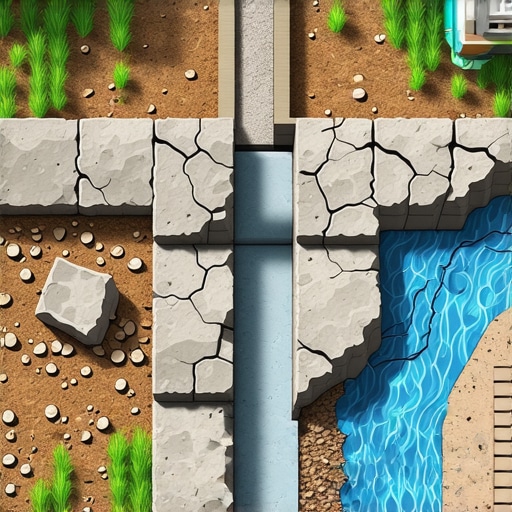
Most DIY retaining walls fail because homeowners ignore hydrostatic pressure. To prevent collapse, you must install a 4-inch perforated drain pipe (weep system) and backfill with at least 12 inches of clean angular stone. Water is heavy. One cubic foot of saturated soil weighs about 120 pounds. If that water has nowhere to go, it pushes against the back of your stones with immense force. You are not building a wall; you are building a filter. The goal is to allow water to pass through the soil, hit the gravel chimney, and drop into the pipe where it can be safely moved away from the structure. Without this, your wall will bow within two seasons. Water wins. Always.
“A retaining wall doesn’t fail because of the stone; it fails because of the water trapped behind it.” – Hardscape Engineering Axiom
How much modified gravel do I need for a patio base?
Calculating base gravel volume requires a specific formula: (Length x Width x Depth in feet) / 27. For a retaining wall base, your trench should be twice as wide as the stone and at least 6 inches deep. For a 12-foot wall using 12-inch deep stones, you need a trench 24 inches wide. That equals 12 cubic feet of compacted 2A modified stone. Do not use sand. Sand shifts. Modified stone locks together like a puzzle. It provides the friction required to hold the weight above it. Don’t eyeball it. Use a calculator.
The Ground-Up Build: Step-by-Step Installation
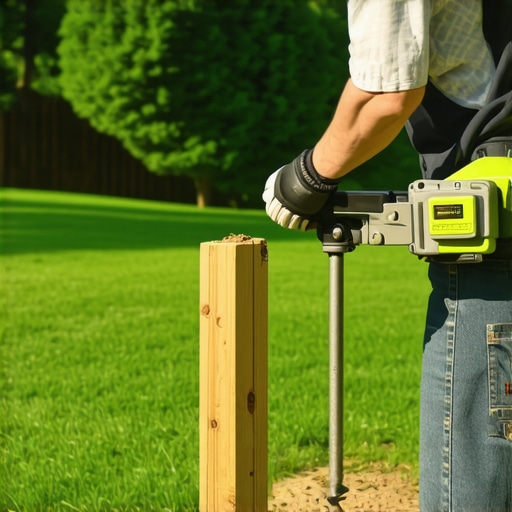
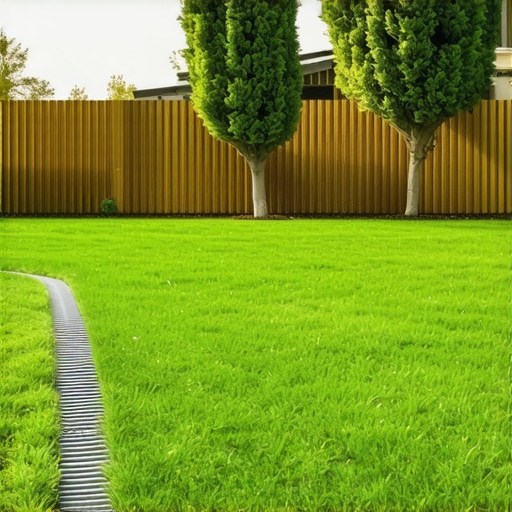
The first step is excavation. You must dig a trench that accounts for both the base stone and the first course of wall stone. I tell my crew: if the first course isn’t perfect, the last course will be a disaster. Set your strings. Use a transit level. Soil grading is the foundation of hardscaping. If your yard slopes toward the wall, you need a swale to divert surface water before it ever reaches the stones. Once the trench is dug, line it with non-woven geotextile fabric. This prevents the native soil from mixing with your clean gravel. If they mix, the base loses its load-bearing capacity. It becomes mush. [IMAGE_PLACEHOLDER] Use a gas-powered plate compactor. A hand tamper is for amateurs and will result in settling. The tamper should literally bounce off the compacted base. That is how you know you have achieved 95 percent Standard Proctor Density. When laying your stone, remember the batter. A slight lean (1 inch for every 1 foot of height) into the hillside uses gravity to your advantage. It fights the soil pressure. Lay your pipe. Backfill with clean stone. Wrap the fabric over the top like a burrito. This keeps the dirt out of your drainage stone. If dirt gets in, the pipe clogs. If the pipe clogs, the wall fails. It is that simple.
Do I need a permit for a 2-foot retaining wall?
In most jurisdictions, retaining walls under 4 feet do not require a building permit or structural engineering wet stamp. However, always check local HOA regulations and municipal codes. Even if a permit isn’t required, 811 / Dig Safe is mandatory. Hit a gas line and your $400 project becomes a $40,000 liability. Do not guess where your utilities are located. Call the number. It’s free.
“Ensure backfill materials are free-flowing and non-expansive to prevent excessive lateral earth pressure against the wall face.” – Penn State Agricultural Extension
- Checklist for Success:
- Verify utility markings via 811.
- Excavate trench to 2x width of the wall block.
- Compact 2A modified stone in 2-inch lifts.
- Install perforated pipe with a minimum 1% slope.
- Backfill with #57 clean stone only.
- Use polyurethane construction adhesive for capstones.
The Maintenance Protocol: Year One and Beyond
Your wall will settle. Expect it. In the first year, monitor the weep holes or the pipe exit. If you see water flowing during a rainstorm, the system is working. If the pipe is dry but the wall is weeping through the joints, you have a clog. Check the soil pH of the backfill if you are planting near the wall; limestone can leach and raise the pH, which might kill acid-loving plants like azaleas. Landscaping is about chemistry as much as physics. Keep the thatch layers of your lawn away from the wall edge to prevent moisture retention. Don’t plant trees with aggressive root systems near the wall. A maple root will lift a 500-pound stone like it is a toothpick. Stick to shallow-rooted perennials or ornamental grasses. This is a long-term investment. Treat it like one. Don’t skip the details. Compact every lift. Protect the drainage. Build it once, or build it twice. I prefer once.